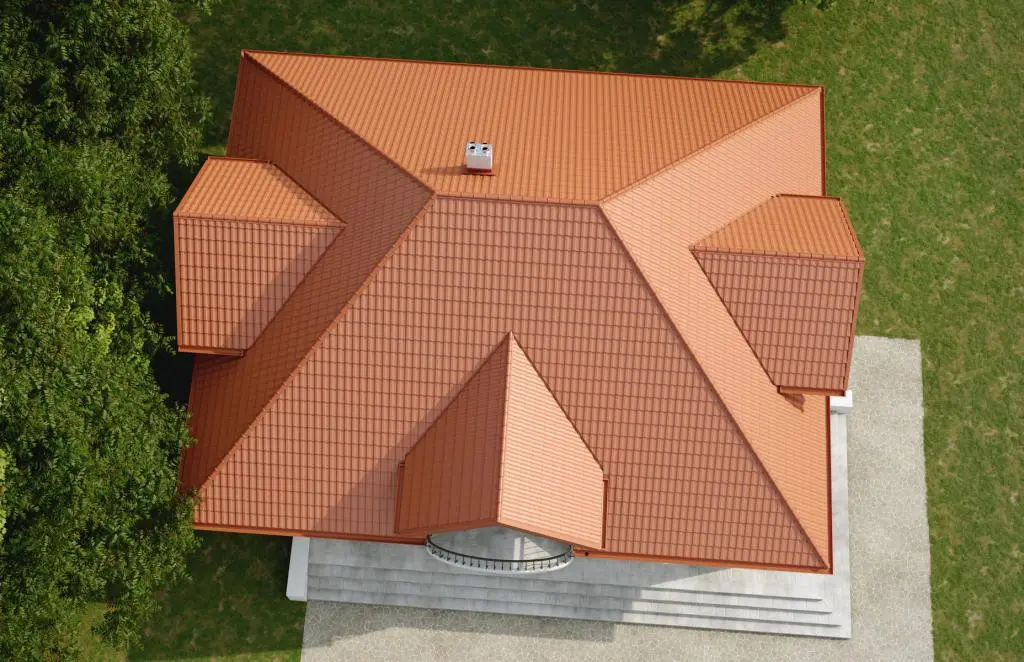
7 Powerful Benefits of Hip Roof Roofing for a Stronger, Safer Home
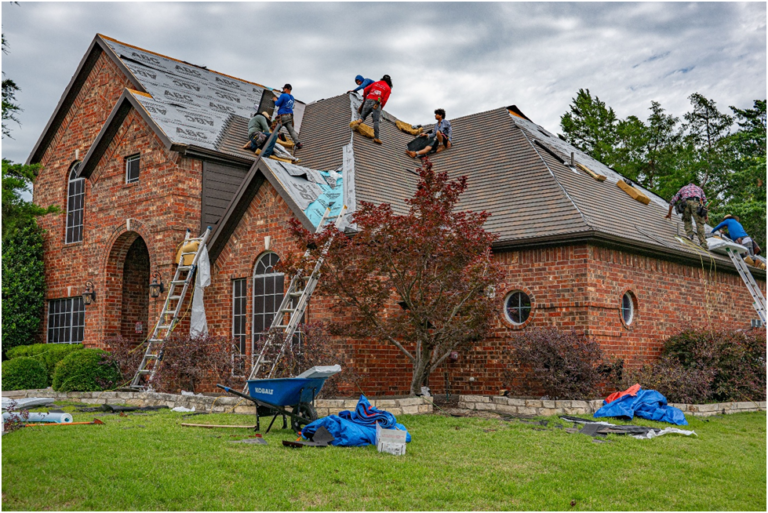
Hip roof roofing is one of the most popular roofing styles used in residential and commercial construction. Homeowners often choose this roofing system because it provides excellent stability, durability, and an attractive appearance. Unlike a traditional gable roof, a hip roof has slopes on all four sides that meet at a ridge or peak.
In regions that experience strong winds, heavy rainfall, or harsh weather conditions, A hip roof is considered one of the most reliable options. It not only protects the structure but also improves property value and energy efficiency.
This comprehensive guide explains everything you need to know about it, including its design, benefits, materials, installation process, maintenance requirements, and cost considerations.
To learn more about home related stuff please visit the WEBSITE.
What Is Hip Roof Roofing?
A hip roof refers to a roof design where all sides slope downward toward the walls. These slopes typically have the same angle and length, creating a symmetrical and balanced appearance.
This roofing style has been used for centuries because of its exceptional structural strength. Since every side slopes downward, wind pressure is distributed more evenly across the roof surface. As a result, the structure remains more stable during storms and extreme weather conditions.
Key Characteristics
- Four sloping sides
- Strong wind resistance
- Excellent water drainage
- Elegant architectural appearance
- Long-lasting structural performance
Many modern homes, villas, cottages, and commercial buildings use a hip roof because it combines beauty with functionality.
Main Components of a Hip Roof
Understanding the parts of it helps homeowners make informed decisions regarding construction and maintenance.
Ridge
The ridge is the horizontal line at the highest point of the roof where roof planes meet.
Hip Rafters
Hip rafters run diagonally from the roof corners to the ridge.
Common Rafters
These rafters support the roof deck and distribute weight evenly.
Roof Deck
The roof deck forms the base layer that supports roofing materials.
Roofing Material
This includes shingles, tiles, metal panels, or other protective coverings.
Each component plays a vital role in ensuring the overall durability of it.
Different Types of Hip Roof Roofing
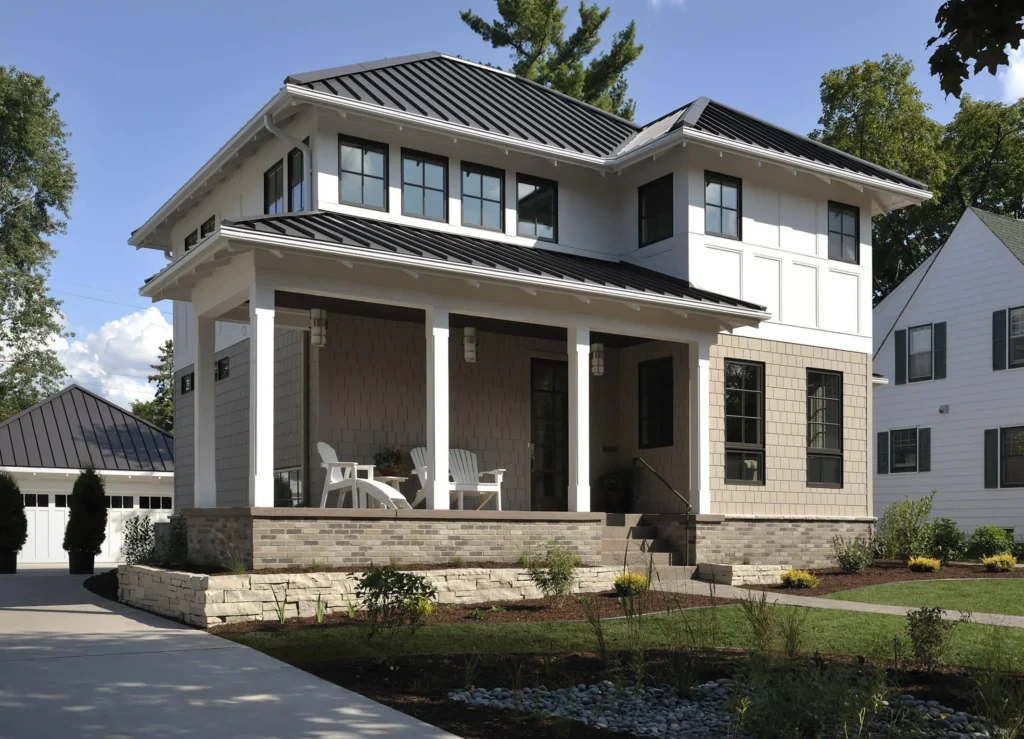
Simple Hip Roof
The simple hip roof is the most common design. It consists of two trapezoidal sides and two triangular sides.
Benefits
- Easy water drainage
- Elegant appearance
- Strong structural integrity
Pyramid Hip Roof
A pyramid hip roof has four equal sides meeting at a central peak.
Ideal For
- Gazebos
- Small houses
- Square buildings
Cross Hip Roof
This design combines two intersecting hip roof sections.
Advantages
- More interior space
- Attractive architectural style
- Improved drainage
Half Hip Roof
A half hip roof combines elements of both gable and hip roofs.
Benefits
- Unique appearance
- Better ventilation
- Stronger than standard gable roofs
Key Advantages of A Hip Roof
It offers numerous benefits that make it a preferred choice for homeowners.
1. Superior Wind Resistance
The sloped design reduces wind uplift forces. This makes the roof highly suitable for hurricane-prone and coastal regions.
2. Better Water Drainage
Rainwater naturally flows down all sides, reducing the risk of standing water and leaks.
3. Increased Stability
Because the roof slopes on all sides, weight distribution is more balanced.
4. Enhanced Curb Appeal
It creates a polished and luxurious appearance.
5. Longer Lifespan
Its structural design often results in fewer repairs and maintenance issues.
6. Energy Efficiency
The roof design supports better airflow and temperature regulation.
7. Higher Property Value
Homes with quality hip roof often attract buyers due to durability and aesthetics.
Potential Disadvantages
Although a hip roof provides many benefits, it also has a few drawbacks.
Higher Construction Costs
The design requires more materials and labor than simpler roof styles.
Complex Installation
Professional expertise is necessary to ensure proper construction.
Reduced Attic Space
The inward slopes can limit usable attic storage.
Despite these limitations, many homeowners consider the benefits worth the investment.
Best Materials for A Hip Roof
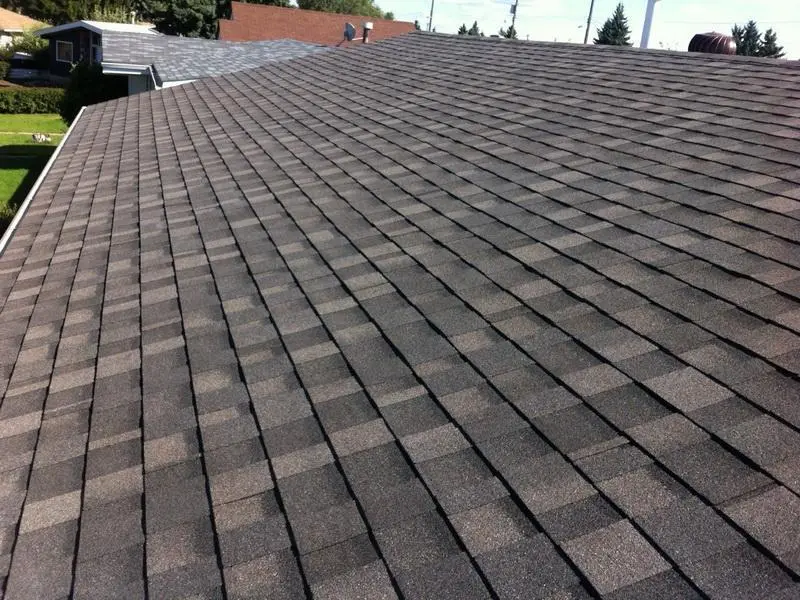
Choosing the right material significantly impacts performance and longevity.
Asphalt Shingles
Advantages
- Affordable
- Easy installation
- Wide variety of colors
Lifespan
15–30 years
Metal Roofing
Advantages
- Exceptional durability
- Fire resistance
- Energy efficiency
Lifespan
40–70 years
Clay Tiles
Advantages
- Elegant appearance
- Excellent heat resistance
Lifespan
50–100 years
Concrete Tiles
Advantages
- Strong and durable
- Weather resistant
Lifespan
40–75 years
A Hip Roof Installation Process
Installing a hip roof involves multiple steps.
Step 1: Planning and Design
Architects determine roof dimensions, pitch, and structural requirements.
Step 2: Framing
Hip rafters and common rafters are installed.
Step 3: Roof Deck Installation
Plywood or OSB sheathing is attached.
Step 4: Underlayment Application
A waterproof barrier protects the roof structure.
Step 5: Roofing Material Installation
Shingles, tiles, or metal panels are installed.
Step 6: Inspection
A final inspection ensures compliance with building standards.
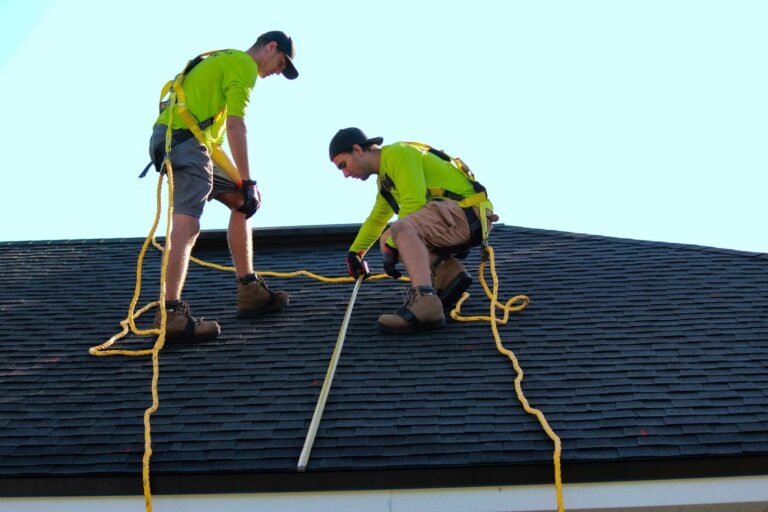
Professional installation is highly recommended because mistakes can lead to costly repairs.
Cost of Hip Roof
The total cost varies depending on:
| Factor | Impact on Cost |
|---|---|
| Roof Size | Higher size increases cost |
| Materials | Premium materials cost more |
| Labor | Skilled labor affects pricing |
| Location | Regional pricing varies |
| Complexity | Complex designs require more work |
Average Costs
| Material | Average Cost Per Square Foot |
|---|---|
| Asphalt Shingles | $4–$8 |
| Metal Roofing | $8–$18 |
| Clay Tiles | $10–$25 |
| Concrete Tiles | $9–$20 |
A hip roof generally costs more than gable roofs because of additional framing and materials.
Maintenance Tips for Hip Roof Roofing
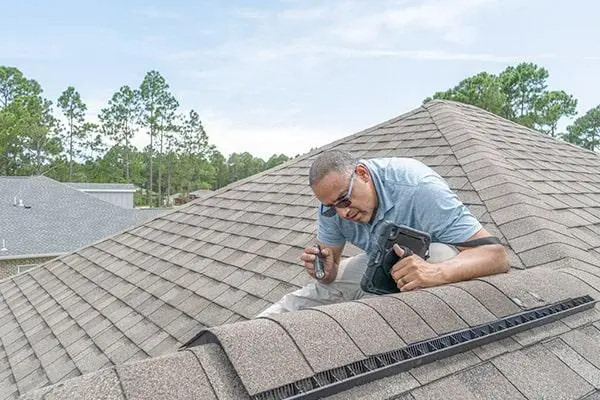
Regular maintenance helps maximize roof lifespan.
Inspect Twice a Year
Check for damaged shingles, cracks, and leaks.
Clean Gutters
Blocked gutters can cause water damage.
Remove Debris
Leaves and branches can trap moisture.
Check Flashing
Damaged flashing often leads to leaks.
Schedule Professional Inspections
Experts can identify hidden issues before they become major problems.
Energy Efficiency Benefits
A hip roof contributes to energy savings in several ways.
Improved Ventilation
Proper ventilation reduces heat buildup in attic spaces.
Better Insulation Performance
The roof structure helps maintain indoor temperatures.
Lower Utility Bills
Reduced heating and cooling demands can decrease energy costs.
Sustainable Roofing Options
Metal roofs and reflective materials further improve efficiency.
For additional energy-saving information, visit the U.S. Department of Energy Roofing Guide.
Hip Roof Roofing vs Gable Roof
| Feature | Hip Roof Roofing | Gable Roof |
|---|---|---|
| Wind Resistance | Excellent | Moderate |
| Water Drainage | Excellent | Good |
| Cost | Higher | Lower |
| Stability | High | Moderate |
| Attic Space | Less | More |
| Appearance | Premium | Traditional |
While gable roofs remain popular, A hip roof generally offers better weather protection.
Common Problems and Solutions
Roof Leaks
Cause: Damaged flashing or roofing material.
Solution: Prompt repair and inspection.
Missing Shingles
Cause: Storm damage.
Solution: Replace affected sections immediately.
Structural Settling
Cause: Poor installation.
Solution: Hire experienced roofing professionals.
Ventilation Issues
Cause: Insufficient airflow.
Solution: Install ridge vents and soffit vents.
Routine maintenance can prevent most issues.
How to Choose the Right Roofing Contractor
Selecting the right contractor is crucial.
Look for Experience
Choose specialists with proven hip roof expertise.
Verify Licensing
Always check licenses and insurance.
Read Reviews
Customer feedback offers valuable insight.
Request Detailed Quotes
Compare pricing and project scope carefully.
Ask About Warranties
Reliable contractors provide workmanship guarantees.
A professional contractor ensures your hip roof investment delivers long-term value.
Related Roofing Guides
- What Is Roof Drip Edge? A Complete Homeowner’s Guide
- Types of Roofing Materials: The Complete Guide to Costs, Lifespan & Pros and Cons
- How Long Does It Take to Replace a Roof? Complete Timeline Guide
- Cost to Fix Roof Leak: Average Repair Prices (2026)
- How Often Should You Replace a Roof? Signs It’s Time
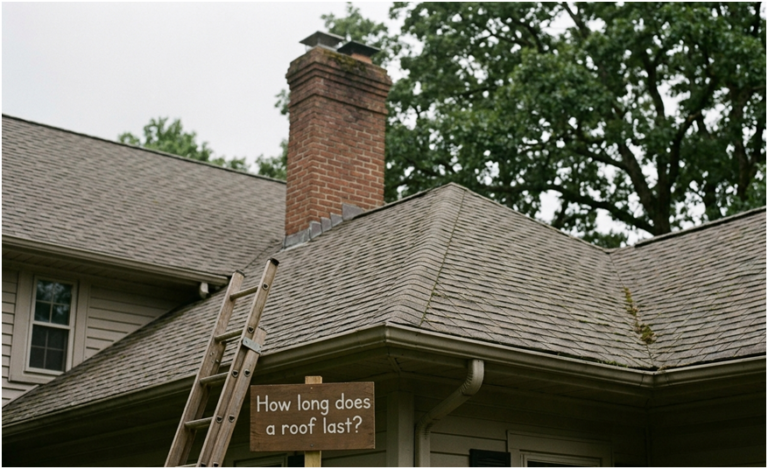
- How Long Does a Roof Last? Average Roof Lifespan by Material
Frequently Asked Questions (FAQs)
1. How long does hip roof roofing last?
The lifespan depends on materials. Asphalt shingles may last 20–30 years, while metal and tile roofs can exceed 50 years.
2. Is hip roof better than a gable roof?
For wind resistance and structural stability, hip roof generally performs better.
3. Is hip roof expensive?
It usually costs more than gable roofs because of additional materials and labor requirements.
4. Can solar panels be installed on hip roof ?
Yes. Hip roofs often provide multiple surfaces that can accommodate solar panels.
5. Does hip roof require special maintenance?
No. Standard roof inspections and routine maintenance are usually sufficient.
6. Which roofing material is best for hip roof ?
Metal roofing and clay tiles are among the most durable options, while asphalt shingles remain the most budget-friendly.
7. Is hip roof suitable for areas with heavy rain?
Absolutely. The sloped design provides excellent drainage and reduces water accumulation.
8. Can a hip roof increase home value?
Yes. Many buyers appreciate the durability, weather resistance, and visual appeal of hip roof .
Conclusion
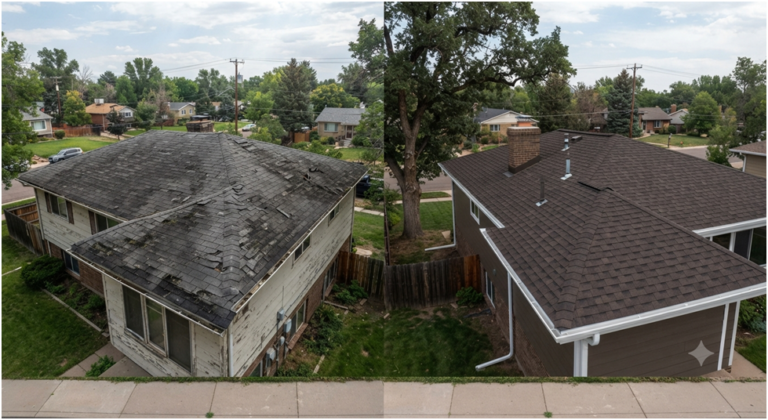
Hip roof roofing remains one of the strongest and most visually appealing roofing systems available today. Its four-sided sloping design provides excellent wind resistance, superior water drainage, enhanced stability, and long-term durability. Although construction costs may be higher than some alternatives, the benefits often outweigh the initial investment.
Whether you’re building a new home or replacing an existing roof, hip roof offers a dependable solution that combines beauty, functionality, and lasting value. By selecting quality materials, hiring experienced professionals, and performing regular maintenance, homeowners can enjoy decades of reliable protection and improved property value.