15 Expert White Wizard Philodendron Care Tips for Stunning Growth
White Wizard Philodendron
The White Wizard Philodendron has quickly become one of the most sought-after houseplants among collectors and indoor gardening enthusiasts. Its striking white-and-green variegated leaves give it a luxurious appearance that instantly elevates any room. Unlike many colorful houseplants that demand constant attention, this tropical beauty is surprisingly manageable once you understand its basic needs.
Native to tropical rainforests through its parent lineage, this variegated philodendron thrives in warm, humid environments with bright, indirect light. Its bold foliage, slow growth, and relatively rare availability make it highly desirable among plant lovers. As demand has increased, more nurseries have begun cultivating tissue-cultured specimens, making this once hard-to-find plant increasingly accessible.
In this guide, you’ll learn everything you need to know—from choosing a healthy specimen and providing ideal growing conditions to troubleshooting common issues and propagating your plant successfully.
Read about Types of Swimming Pools Here.
What Is a White Wizard Philodendron?
The White Wizard Philodendron is a variegated cultivar prized for its dramatic white splashes on deep green foliage. Every leaf develops a unique pattern, making no two plants exactly alike. Some leaves display small flecks of white, while others feature large patches that almost cover half the leaf.
Unlike climbing varieties with long internodes, this cultivar develops on sturdy stems that give it a fuller, more upright appearance. As it matures, providing a moss pole or plant stake encourages larger leaves and healthier growth. Because variegation results from reduced chlorophyll in portions of the foliage, growth tends to be slower than that of entirely green philodendrons.
Collectors often compare this plant to owning a living piece of art. Every new leaf unfolds with an element of surprise, creating anticipation that few other houseplants can match.
Plant Characteristics
Growth Habit
This plant grows at a moderate pace when provided with stable environmental conditions. Indoors, mature specimens commonly reach 3–5 feet (about 0.9–1.5 m) with support. Young plants typically remain compact for several years before accelerating as their root systems become established.
Healthy growth is characterized by thick stems, firm leaves, and progressively larger foliage. Because it naturally climbs in tropical forests, vertical support helps mimic its native environment and promotes stronger development.
Leaf Variegation
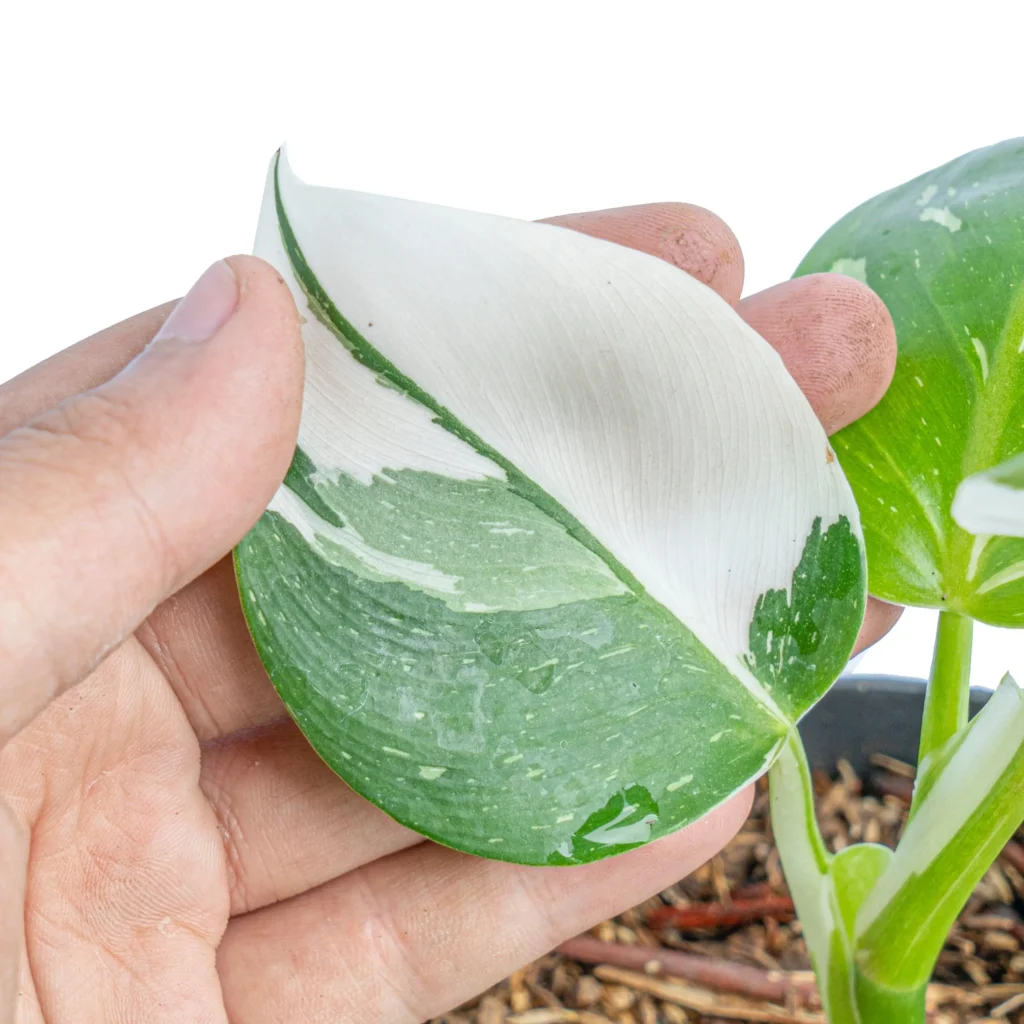
The defining feature of this plant is its stunning white variegation. These patterns occur because some leaf cells lack chlorophyll, creating bright white sections against the dark green background.
Highly variegated leaves are beautiful but slightly more delicate. Since white tissue cannot photosynthesize efficiently, plants require brighter indirect light than solid-green varieties. Too little light may cause new growth to become greener, while excessive direct sun can scorch the white portions.
Because every leaf develops differently, even experienced growers eagerly await each new unfurling leaf.
White Wizard vs White Princess vs White Knight
Many beginners confuse these three popular cultivars. While closely related, each has distinctive characteristics.
| Feature | White Wizard | White Princess | White Knight |
|---|---|---|---|
| Stem Color | Green | Green with pink | Burgundy/Purple |
| Leaf Shape | Broad | Narrower | Broad |
| Pink Variegation | No | Yes | No |
| Growth Habit | Upright | Compact | Climbing |
| Rarity | Moderate | Moderate | Moderate |
If your plant displays pink coloration on its stems or leaves, it is likely a White Princess rather than a White Wizard.
Ideal Growing Conditions
Light Requirements
Bright, indirect light is the single most important factor for maintaining healthy variegation. Place the plant near an east-facing window or a few feet back from a south- or west-facing window filtered by sheer curtains.
Direct afternoon sunlight can burn delicate white sections, while insufficient light encourages greener leaves with less variegation. If natural light is limited, a quality full-spectrum LED grow light can supplement indoor conditions.
A useful test is to observe shadows. If your hand casts a soft, blurry shadow rather than a sharp one, the light level is usually appropriate.
Temperature
This tropical species performs best between 65°F and 80°F (18°C–27°C). Sudden temperature fluctuations, cold drafts, or prolonged exposure below 55°F (13°C) can stress the plant.
Avoid placing it near air conditioners, heaters, or frequently opened exterior doors.
Humidity
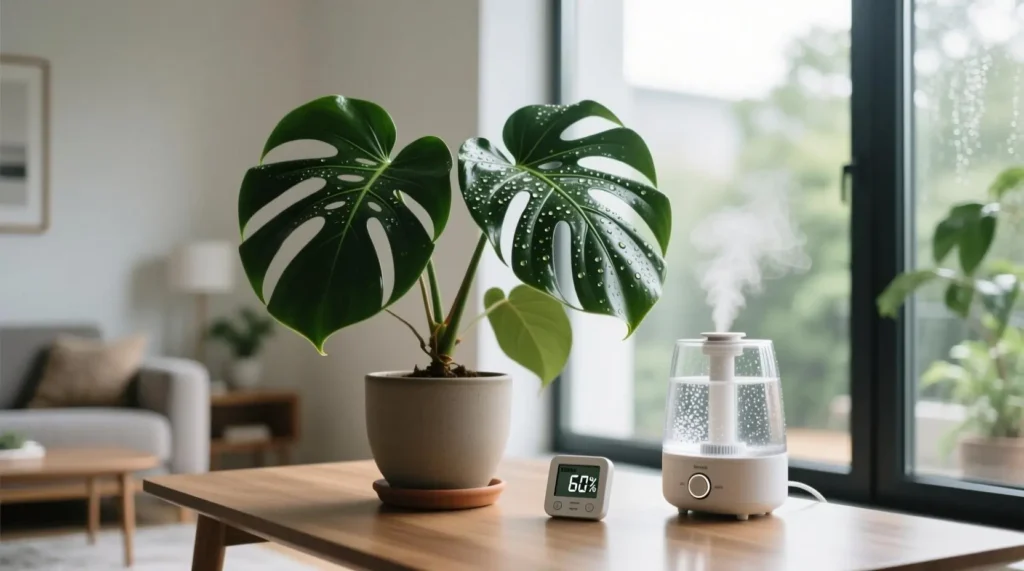
Humidity levels of 60% or higher encourage lush foliage and reduce brown leaf edges. While the plant adapts to average indoor humidity, growth improves significantly in more humid environments.
Simple ways to increase humidity include:
- Running a humidifier nearby
- Grouping tropical plants together
- Using pebble trays beneath pots
- Growing the plant in a naturally humid room
High humidity should always be paired with good airflow to reduce the risk of fungal diseases.
Choosing the Right Soil
A well-draining, airy potting mix is essential. Heavy garden soil retains excessive moisture and can lead to root rot.
An effective homemade mix often includes:
- High-quality indoor potting soil
- Orchid bark
- Perlite
- Coconut coir
- Horticultural charcoal (optional)
This combination allows oxygen to reach the roots while maintaining sufficient moisture. Think of the roots as needing to breathe as much as they need water.
The pot should always include drainage holes. Decorative cachepots without drainage should only be used as outer containers.
Watering Guide
Watering mistakes are among the most common reasons these plants decline. Rather than following a strict weekly schedule, check the soil before watering.
Insert your finger about two inches into the soil. If the top layer feels dry, water thoroughly until excess moisture drains from the bottom. Empty the drainage saucer afterward so roots are not left sitting in water.
During spring and summer, watering is typically more frequent because the plant grows actively. Growth slows in autumn and winter, reducing its moisture needs.
Overwatering often causes yellow leaves, mushy stems, and root rot, while underwatering results in curling leaves and dry edges.
Fertilizing Schedule
Regular feeding supports healthy foliage production and vibrant variegation. Apply a balanced liquid houseplant fertilizer diluted to half strength approximately once a month during the active growing season.
Avoid fertilizing immediately after repotting because fresh potting mix already contains nutrients. Feeding should also be reduced or paused during winter when growth naturally slows.
Excess fertilizer can cause salt buildup in the soil, leading to brown leaf tips. Flushing the soil occasionally with clean water helps remove accumulated minerals.
Repotting Your Plant

Although this variegated philodendron isn’t a particularly fast grower, it eventually outgrows its container. Repotting every 18–24 months is usually enough for healthy plants, though younger specimens may need fresh pots slightly sooner if roots begin circling the drainage holes.
When selecting a new pot, avoid jumping to an oversized container. A pot that is only 1–2 inches (2.5–5 cm) wider than the current one is ideal. Larger pots retain excess moisture, increasing the risk of root rot before the roots can occupy the available soil.
Repotting is best done during spring or early summer when the plant is actively growing. Gently remove the root ball, inspect it for damaged or mushy roots, and trim unhealthy sections with sterilized scissors. Fill the new container with a chunky, well-draining aroid mix before placing the plant at the same depth as before.
Many experienced collectors also install a moss pole while repotting. In nature, philodendrons climb trees using aerial roots. Providing vertical support encourages larger leaves, stronger stems, and more vigorous growth. Once secured to the pole, you’ll often notice noticeably larger foliage over the following growing seasons.
After repotting, avoid fertilizing for about four weeks. Fresh potting mix contains nutrients, and allowing the roots time to recover reduces transplant stress.
How to Propagate This Variegated Philodendron
Propagation is an exciting way to grow your collection or share healthy cuttings with fellow plant enthusiasts. The most reliable method is stem cutting propagation, provided each cutting contains at least one healthy node.
Start by identifying a mature stem with one or more leaves and a visible node. Using sterilized pruning shears, make a clean cut just below the node. This node is where new roots will emerge.
The cutting can be rooted in:
- Clean water
- Damp sphagnum moss
- Perlite
- A chunky aroid propagation mix
Many beginners prefer water propagation because developing roots are easy to monitor. Place the cutting in bright indirect light and replace the water every few days to maintain cleanliness.
Once roots reach approximately 2–3 inches (5–8 cm) in length, transplant the cutting into a well-draining soil mix. Keep humidity relatively high during the first few weeks to help the young plant establish itself.
Propagation success depends largely on patience. Some cuttings root within three weeks, while others may take considerably longer depending on temperature, humidity, and overall plant health.
Common Problems and Their Solutions
Even healthy houseplants occasionally encounter problems. Fortunately, most issues affecting this plant are easy to diagnose when symptoms appear early.
Yellow Leaves
Yellowing leaves are commonly linked to overwatering. Constantly wet soil deprives roots of oxygen and may eventually cause root rot.
Solution: Allow the top portion of the soil to dry before watering again and always ensure excellent drainage.
Brown Leaf Edges
Dry air, underwatering, or mineral buildup from fertilizers frequently causes crispy brown edges.
Solution: Increase humidity, water consistently, and flush the soil every few months with clean water.
Loss of Variegation
If new leaves become increasingly green, the plant is probably receiving insufficient light.
Solution: Move it closer to a bright window or supplement with a quality grow light.
Slow Growth
Growth naturally slows during winter. However, consistently slow development throughout the year may indicate poor lighting, compacted soil, or nutrient deficiencies.
Solution: Review the overall care routine and adjust growing conditions as necessary.
Most problems develop gradually rather than overnight. Regular observation allows you to correct small issues before they become serious.
Common Pests and Prevention
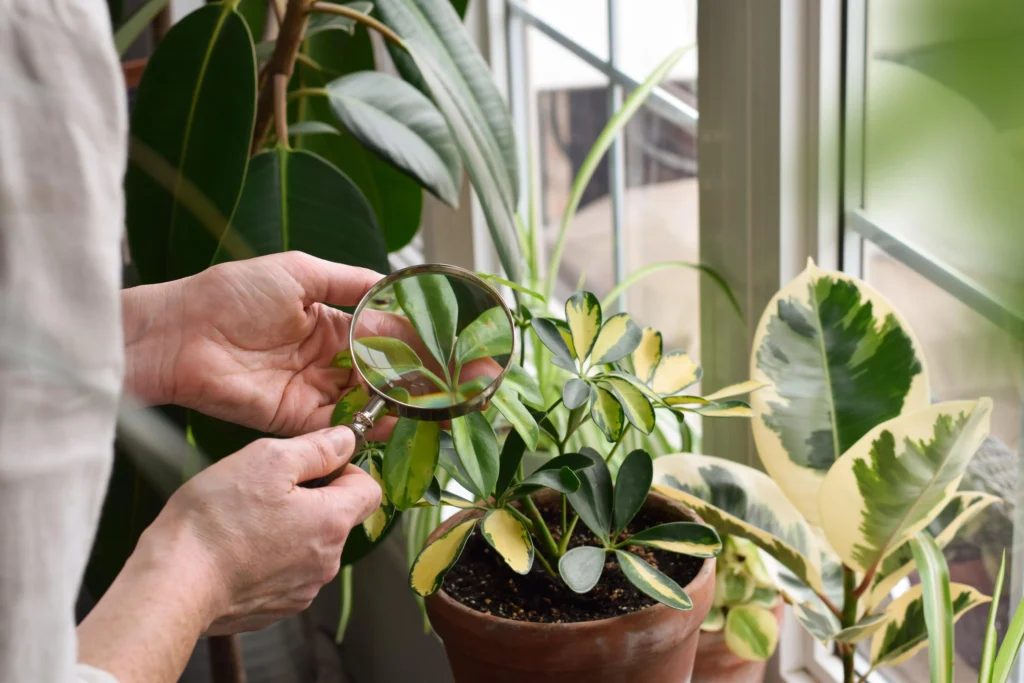
Like many tropical houseplants, this variegated philodendron can occasionally attract pests.
The most common include:
- Spider mites
- Mealybugs
- Scale insects
- Fungus gnats
- Thrips
Routine inspections are your best defense. Examine both sides of the leaves, stems, and new growth every week. Catching pests early prevents large infestations.
If insects appear, isolate the affected plant immediately. Wipe leaves gently with a damp cloth before applying insecticidal soap or neem oil according to product directions.
Maintaining proper airflow, avoiding overwatering, and regularly cleaning foliage significantly reduce pest problems.
Styling Your White Wizard Indoors
One reason collectors admire this plant is its ability to complement almost any interior style.
Its dramatic white variegation pairs beautifully with:
- Modern minimalist homes
- Scandinavian interiors
- Boho-inspired living rooms
- Contemporary offices
- Bright reading corners
Neutral ceramic pots help emphasize the striking foliage, while black containers create dramatic contrast. Wooden plant stands add warmth and elevate the display.
For an eye-catching arrangement, combine this plant with companions that have contrasting textures, such as ferns, snake plants, or trailing pothos. The varying leaf shapes create visual interest without overwhelming the space.
Because this philodendron grows upright, it also works well in corners where trailing plants may not fit.
Seasonal Care Calendar
| Season | Main Care Focus |
|---|---|
| Spring | Repot if needed, begin fertilizing, encourage new growth |
| Summer | Maintain humidity, water consistently, monitor pests |
| Autumn | Reduce fertilizer, continue bright indirect light |
| Winter | Water less frequently, protect from cold drafts |
Following a seasonal routine keeps care simple while matching the plant’s natural growth cycle.
Expert Tips for Long-Term Success
Successful growers often follow a few simple habits that make a significant difference over time.
Rotate the pot every few weeks to encourage balanced growth and prevent leaning toward the light source.
Clean leaves regularly with a soft, damp microfiber cloth. Dust reduces photosynthesis and dulls the beautiful variegation.
Avoid moving the plant frequently. Sudden environmental changes can temporarily slow growth or cause minor leaf drop.
Be patient with new leaves. Highly variegated cultivars often grow more slowly because white sections produce less energy than green tissue.
Most importantly, observe your plant. Healthy leaves, steady growth, and firm stems usually indicate that your care routine is working well.
Why This Plant Is So Popular
The popularity of this cultivar continues to rise for several reasons. Unlike many rare plants that require advanced care, it combines stunning aesthetics with relatively straightforward maintenance.
Every new leaf feels unique because no two variegation patterns are exactly alike. Some leaves emerge with dramatic half-moon patterns, while others display delicate white marbling across the entire surface.
Collectors also appreciate that tissue-cultured plants have become more widely available, making it easier to own this once-exclusive houseplant without paying extremely high prices.
Its versatility, elegance, and manageable care requirements make it an excellent choice for both beginners and experienced indoor gardeners.
Conclusion
The White Wizard Philodendron is much more than a trendy houseplant—it’s a living work of art that brings elegance, texture, and tropical beauty into any indoor space. With its eye-catching white variegation and relatively easy care routine, it’s no surprise that this cultivar has become a favorite among collectors and plant lovers alike.
Success comes down to providing bright indirect light, a chunky well-draining soil mix, consistent watering, and moderate humidity. Supporting the plant with a moss pole, monitoring for pests, and repotting when necessary will encourage healthier growth and larger, more impressive foliage over time.
Whether you’re purchasing your first variegated philodendron or expanding an existing collection, this beautiful plant offers years of enjoyment with the right care. Every new leaf brings a fresh surprise, making it one of the most rewarding houseplants to grow indoors.
Frequently Asked Questions
1. Is the White Wizard Philodendron rare?
It was once considered quite rare, but tissue culture has made it more widely available. High-quality specimens with strong variegation may still command premium prices.
2. How often should I water it?
Water only when the top 1–2 inches (2.5–5 cm) of soil feel dry. The exact frequency depends on your home’s temperature, humidity, and light levels.
3. Can it grow in low light?
It can survive in lower light, but brighter indirect light helps maintain healthy variegation and encourages stronger growth.
4. Is it safe for pets?
No. Like other philodendrons, it contains calcium oxalate crystals, which can be toxic if chewed by cats or dogs. Keep it out of reach of pets.
5. Why are new leaves mostly green?
Reduced light is the most common reason. Moving the plant to a brighter location with indirect sunlight often helps preserve its white variegation.