What Is Roof Drip Edge? A Complete Homeowner’s Guide
What Is Roof Drip Edge? Everything Homeowners Need to Know
A roof is more than just shingles or tiles. It is a complete system made up of several components that work together to keep water out of your home. One of the smallest yet most important parts of that system is the roof drip edge.
Although it may seem like a simple strip of metal, a drip edge plays a critical role in directing rainwater away from the roof, fascia boards, and underlying wood. Without it, water can seep beneath roofing materials, damage the roof deck, rot wooden trim, and even find its way into the attic or walls over time.
Many homeowners don’t notice the drip edge until it’s damaged or missing, but roofing professionals consider it an essential part of a properly installed roof.
In this guide, you’ll learn what is roof drip edge, how it works, the different types of drip edgeflashing, the materials used, where it should be installed, and why this small piece of metal has such a big impact on your roof’s long-term performance.

Quick Answer
A roof drip edge is an L-shaped or T-shaped piece of metal flashing installed along the edges of a roof. Its primary purpose is to direct rainwater away from the roof deck and fascia, helping prevent water damage, wood rot, and leaks.
Drip edge flashing is commonly made from:
- Aluminum
- Galvanized steel
- Stainless steel
- Copper
Most modern roofing systems include a drip edge because it improves water management and helps protect vulnerable roof edges.
What Is a Roof Drip Edge?
A roof drip edge is a narrow strip of metal flashing installed along the perimeter of a roof.
It sits beneath the roofing material at the roof edges and extends slightly beyond the fascia board. This small overhang allows rainwater to drip directly into the gutter or away from the house instead of running back underneath the roofing materials.
Although homeowners often focus on shingles, tiles, or metal panels, these materials alone cannot fully protect the roof’s exposed edges. That’s where drip edge flashing becomes important.
Think of a drip edge as a guide that tells rainwater exactly where to go.
Without it, water may:
- Curl underneath roofing materials
- Soak exposed roof decking
- Damage fascia boards
- Cause peeling paint
- Increase the risk of mold or wood rot

Why Is It Called a “Drip Edge”?
The name comes from the way it manages water.
Instead of allowing water to cling to the underside of the roof because of surface tension, the metal edge creates a clean break that encourages water to drip away from the structure.
This simple design helps prevent moisture from traveling backward toward the roof deck—a problem that can occur even during normal rainfall.
Practical Homeowner Insight
Many homeowners assume rain always falls straight into the gutter. In reality, water often follows the underside of roofing materials due to surface tension. A properly installed drip edge interrupts this flow, directing water away from the roof before it can reach vulnerable wooden components.
How Does Roof Drip Edge Work?
Drip edge flashing works by controlling the path of rainwater as it leaves the roof.
Instead of flowing behind the gutter or underneath the shingles, water follows the drip edge and falls safely into the gutter or onto the ground where appropriate.
The process is simple:
- Rain lands on the roof.
- Water flows downhill toward the roof edge.
- The drip edge extends beyond the fascia.
- Water separates cleanly from the metal edge.
- Rain enters the gutter instead of running behind it.
Without this transition point, water may continue along the underside of the roof and reach areas that should remain dry.
How Water Behaves Without a Drip Edge
Without proper edge protection, water may:
- Run behind gutters
- Wet fascia boards repeatedly
- Enter beneath roofing materials
- Damage roof decking
- Increase the likelihood of rot
- Cause paint to peel
- Promote mold growth
These problems often develop gradually, making them difficult to notice until repairs become necessary.
How Water Behaves with a Drip Edge
When a drip edge is installed correctly:
- Water leaves the roof in a controlled manner.
- Gutters collect rain more efficiently.
- Fascia boards remain drier.
- Roof decking receives better protection.
- The roof edge experiences less long-term moisture exposure.
Comparison Table
| Without Drip Edge | With Drip Edge |
| Water may run behind gutters | Water is directed into gutters |
| Fascia remains wet | Fascia stays better protected |
| Increased risk of wood rot | Reduced moisture exposure |
| Roof decking more vulnerable | Roof edge better protected |
| Greater chance of leaks | Improved water management |

Parts of a Roof Drip Edge
Although designs vary slightly, most drip edges include similar components.
| Part | Purpose |
| Horizontal flange | Slides beneath roofing materials and supports water flow. |
| Vertical flange | Covers and protects the fascia board. |
| Drip lip | Extends outward so water falls away from the roof edge. |
| Fasteners | Secure the drip edge to the roof deck. |
Each section contributes to directing water away from the roof structure.
Types of Roof Drip Edge Flashing
Not all drip edge flashing has the same shape.
Different profiles are designed for different roofing situations.
Type C Drip Edge
Type C is the simplest design.
It forms an “L” shape with a small outward bend.
Best suited for:
- Basic residential roofs
- Standard asphalt shingles
- Simple roof designs
Advantages
- Affordable
- Easy to install
- Commonly available
Limitations
- Less protection than some deeper profiles
- May not be ideal for every roofing application
Type D Drip Edge
Type D is often called T-style drip edge because of its distinctive shape.
It includes a larger overhang that encourages water to fall farther away from the fascia.
Many roofing professionals prefer this profile because it offers improved water control.
Benefits
- Better water runoff
- Improved fascia protection
- Popular for modern residential roofing
Type F Drip Edge
Type F includes an extended flange that makes it useful for reroofing projects and certain roof edge conditions.
It is often selected when covering existing fascia or when additional edge coverage is beneficial.
Comparison Table
| Type | Shape | Common Use | Water Protection |
| Type C | L-shaped | Standard residential roofs | Good |
| Type D | T-shaped | New roof installations | Very Good |
| Type F | Extended flange | Reroofing and retrofit projects | Very Good |
The best option depends on the roofing system and local installation practices.

What Materials Are Roof Drip Edges Made From?
Several metals are commonly used to manufacture drip edge flashing.
Each has advantages depending on the climate, roofing material, and budget.
| Material | Durability | Corrosion Resistance | Typical Use |
| Aluminum | High | Excellent | Most residential homes |
| Galvanized steel | High | Good | Widely used in many climates |
| Stainless steel | Very High | Excellent | Coastal or demanding environments |
| Copper | Excellent | Excellent | Premium and historic homes |
Aluminum
Aluminum is lightweight, resistant to corrosion, and available in many colors, making it one of the most common choices for residential roofing.
Galvanized Steel
Galvanized steel is stronger than aluminum and performs well in many environments, although damaged protective coatings may eventually rust if exposed.
Stainless Steel
Stainless steel offers excellent corrosion resistance, particularly in coastal environments where salt air may accelerate corrosion on other metals.
Copper
Copper develops a distinctive natural patina over time and is commonly used on high-end homes or historic buildings where appearance is an important consideration.

Where Is Roof Drip Edge Installed?
Drip edge flashing is installed along the outer edges of the roof where water leaves the roofing system.
The two primary locations are:
Along the Eaves
The eaves are the lower edges of the roof where gutters are usually installed.
At the eaves, the drip edge generally works together with the underlayment to help direct water into the gutter.
Along the Rakes
The rake is the sloped edge of a gable roof.
Although gutters are not always present along the rake, drip edge flashing still helps protect the roof edge from wind-driven rain and moisture.
Location Comparison
| Roof Area | Purpose of Drip Edge |
| Eaves | Direct water into gutters and protect fascia |
| Rakes | Protect roof edge from wind-driven rain and moisture |
Benefits of Installing Roof Drip Edge
Although it is a relatively inexpensive roofing component, a drip edge provides several important benefits.
| Benefit | Why It Matters |
| Improves water drainage | Helps direct rain into gutters. |
| Protects fascia boards | Reduces moisture exposure and wood rot. |
| Protects roof decking | Prevents water from reaching exposed wood. |
| Supports roofing materials | Helps strengthen roof edges. |
| Reduces long-term maintenance | Prevents moisture-related deterioration. |
| Improves roof durability | Contributes to a longer-lasting roofing system. |
Practical Homeowner Insight
Many homeowners only notice a missing drip edge after fascia boards begin to rot or paint starts peeling near the roofline. By then, repairing the damaged wood often costs far more than installing a proper drip edge during the original roofing project.
Does Every Roof Need a Drip Edge?
In most modern residential roofing systems, a drip edge is considered a standard component because of the protection it provides. Many building codes also require drip edge installation for asphalt shingle roofs, although specific code requirements vary by jurisdiction and roofing system.
Even where it is not explicitly required, installing a drip edge is generally regarded as a best practice because it helps improve water management and protects vulnerable roof edges from long-term moisture damage.
When replacing a roof, ask your contractor whether new drip edge flashing will be installed and how it will integrate with the underlayment, gutters, and other flashing components.

Is Roof Drip Edge Required by Building Code?
Many homeowners ask whether a roof drip edge is optional or required. The answer depends on where you live and the type of roofing system being installed.
In many jurisdictions, modern building codes require drip edge flashing on asphalt shingle roofs because it helps direct water away from the roof deck and fascia. However, local code requirements may differ, and some roofing materials have their own installation guidelines.
Rather than relying on assumptions, ask your roofing contractor:
- Does my local building code require drip edge flashing?
- Will new drip edge be installed during roof replacement?
- Does the manufacturer’s warranty require it?
- Will it be installed at both the eaves and rake edges?
Quick Reference
| Situation | Is Drip Edge Usually Recommended? |
| New asphalt shingle roof | Yes |
| Full roof replacement | Yes |
| Metal roofing | Usually |
| Tile roofing | Often depends on the roofing system |
| Small roof repair | May not always require replacement |
Even when not legally required, installing a drip edge is widely considered a best practice because it improves water management and protects vulnerable roof edges.

Roof Drip Edge vs. Gutter Apron
Many homeowners confuse a drip edge with a gutter apron, but they are different roofing components.
A gutter apron is another type of flashing designed to help water enter the gutter more effectively, particularly when replacing gutters or correcting drainage issues.
Comparison Table
| Feature | Roof Drip Edge | Gutter Apron |
| Primary purpose | Protects roof edge and fascia | Helps water flow directly into gutters |
| Shape | L-shaped, T-shaped, or extended profile | Longer lower flange extending over the gutter |
| Typical use | Most roofing systems | Commonly used with gutter replacements or drainage improvements |
| Installed location | Roof edge | Roof edge above the gutter |
| Water control | Excellent | Excellent, especially where water overshoots gutters |
Which One Is Better?
Neither is universally better—they serve slightly different purposes.
In some roofing systems, contractors may recommend a gutter apron instead of a standard drip edge depending on the gutter design and the condition of the existing roof edge.
Roof Drip Edge vs. Roof Flashing
Another common misunderstanding is assuming that drip edge and flashing are separate concepts.
In reality:
A drip edge is a type of flashing.
Roof flashing refers to all metal materials installed to prevent water intrusion around vulnerable roof areas.
These include:
- Chimneys
- Skylights
- Roof valleys
- Plumbing vents
- Wall intersections
- Roof edges (drip edge)
Comparison
| Roof Flashing | Roof Drip Edge |
| General category | Specific type of flashing |
| Installed in many roof locations | Installed only along roof edges |
| Protects roof penetrations and joints | Protects the roof perimeter |
| Several flashing designs available | Specific edge profile |
Understanding this distinction helps homeowners communicate more clearly with roofing contractors.

Metal Roof Drip Edge: Is It Different?
Yes, although the basic purpose remains the same.
A metal roof drip edge is designed to work with metal roofing panels instead of shingles.
Because metal roofs expand and contract with temperature changes, manufacturers may recommend specific drip edge profiles that match their roofing systems.
Metal Roof Considerations
- Compatible edge profiles
- Proper fastening methods
- Expansion and contraction allowances
- Color-matched finishes
- Manufacturer installation requirements
Comparison Table
| Asphalt Shingle Roof | Metal Roof |
| Installed beneath shingles | Installed with metal panels |
| Standard drip edge profiles | Often manufacturer-specific |
| Focus on shingle water runoff | Coordinates with metal panel drainage |
Always follow the roofing manufacturer’s installation instructions, as details vary between products.
Signs Your Roof Drip Edge Needs Attention
Because drip edge is installed along the roof perimeter, it is exposed to weather year-round.
Over time, damage may occur due to storms, impacts, corrosion, or improper installation.
Common Warning Signs
- Bent or warped metal
- Rust or corrosion
- Loose sections
- Missing fasteners
- Gaps between flashing and roof edge
- Water stains on fascia boards
- Paint peeling beneath roof edges
- Water running behind gutters
Inspection Checklist
| What to Check | Why It Matters |
| Loose metal | May allow water behind flashing |
| Rust | Can weaken the flashing |
| Bent sections | May redirect water incorrectly |
| Missing pieces | Leaves roof edges exposed |
| Fascia discoloration | May indicate hidden moisture problems |
Regular inspections can help identify these issues before they lead to more extensive repairs.

Common Roof Drip Edge Installation Mistakes
Even high-quality materials cannot perform properly if they are installed incorrectly.
Here are some of the most common installation mistakes.
| Mistake | Possible Consequence |
| Incorrect overlap between sections | Water may enter between joints |
| Improper fastening | Flashing may loosen during storms |
| Installing the wrong profile | Reduced water control |
| Poor integration with underlayment | Increased moisture risk |
| Gaps between flashing pieces | Water infiltration |
| Damaging protective coatings | May increase corrosion risk |
Practical Tip
Professional installation is generally recommended because proper placement depends on the roofing material, underlayment, roof design, and local building requirements.
Can You Replace a Roof Drip Edge Without Replacing the Roof?
Sometimes, yes.
Whether replacement is practical depends on the roofing system and the condition of the surrounding materials.
Replacement May Be Possible When
- Only a few sections are damaged.
- Roofing materials remain in good condition.
- Flashing has become bent during gutter replacement.
- Localized storm damage occurred.
Full Roof Replacement May Be Better When
- Roofing materials are nearing the end of their lifespan.
- Extensive roof edge damage exists.
- Water has already damaged the roof deck.
- Multiple flashing components need replacement.
A roofing professional can determine the most appropriate solution after inspection.
How Much Does Roof Drip Edge Cost?
The total cost depends on factors such as:
- Roof size
- Material selected
- Roof complexity
- Labor rates
- Accessibility
- Whether installation occurs during a new roof or as a separate repair
Because prices vary by location and market conditions, it is best to request written estimates from qualified contractors.
Factors That Influence Cost
| Lower Cost | Higher Cost |
| Aluminum | Copper or stainless steel |
| New construction | Retrofit installation |
| Simple roof design | Complex roof geometry |
| Easy roof access | Steep or difficult access |
Homeowner Tip
Installing drip edge during a planned roof replacement is generally more cost-effective than adding it later as a separate project.

Roof Drip Edge Maintenance Tips
Although drip edge requires very little maintenance, periodic inspections help ensure it continues performing properly.
Recommended Maintenance Schedule
| Task | Suggested Frequency |
| Visual inspection | Twice each year |
| Check after major storms | As needed |
| Clean nearby gutters | Regularly |
| Inspect for rust or bending | Annually |
| Professional roof inspection | Every few years |
Simple Maintenance Checklist
- Remove leaves and debris near roof edges.
- Keep gutters flowing freely.
- Look for loose or bent flashing.
- Inspect paint on fascia boards for moisture damage.
- Schedule professional inspections after severe storms.
Good roof maintenance protects not only the drip edge but the entire roofing system.

Safety Considerations
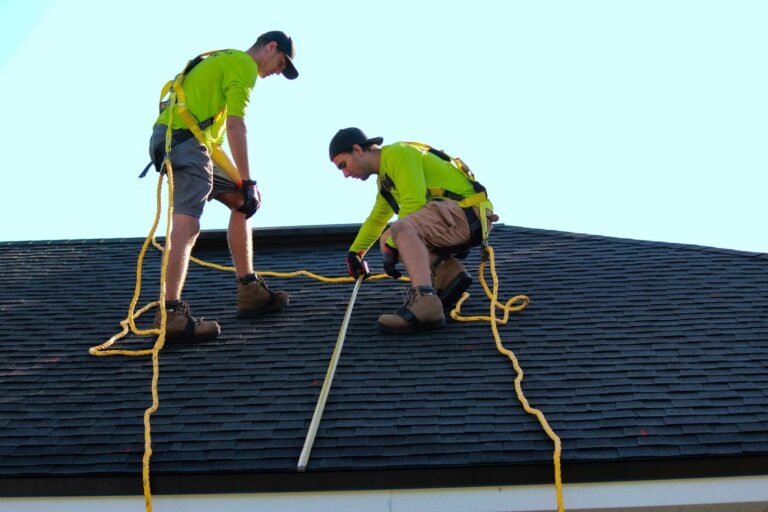
Inspecting roof edges may seem simple, but working on a roof always involves fall risks.
For homeowners:
- Perform visual inspections from the ground whenever possible.
- Use binoculars for closer views.
- Never climb onto a wet roof.
- Use ladders only on stable, level surfaces.
- Avoid working during windy weather.
- Leave repairs to trained roofing professionals.
If you suspect structural damage or loose roofing materials, do not attempt repairs yourself.
When Should You Call a Professional?
While routine visual inspections are safe from the ground, professional assistance is recommended if you notice:
- Water leaking behind gutters
- Bent or detached drip edge
- Rusted flashing
- Rotting fascia boards
- Roof leaks near the roof edge
- Missing flashing after a storm
- Visible gaps beneath roofing materials
- Signs of water entering the attic
A qualified roofing contractor can determine whether the drip edge alone requires attention or if additional roof repairs are necessary.
Frequently Asked Questions
What is roof drip edge used for?
Roof drip edge helps direct rainwater away from the roof deck and fascia while encouraging water to flow into the gutter instead of behind it.
Is drip edge the same as flashing?
Drip edge is a type of flashing specifically designed for roof edges. Other flashing types protect areas such as chimneys, valleys, skylights, and roof penetrations.
Can a roof function without a drip edge?
Some older roofs may not have drip edge flashing, but modern roofing systems generally benefit from it because it improves water management and helps protect roof edges from moisture damage.
What material is best for roof drip edge?
The best material depends on the roofing system, climate, budget, and desired appearance. Aluminum and galvanized steel are common residential choices, while copper and stainless steel are often selected for premium or specialized applications.
How long does roof drip edge last?
A properly installed metal drip edge can often last as long as the roofing system itself, although its lifespan depends on material quality, environmental conditions, and maintenance.
Can damaged drip edge cause roof leaks?
Yes. If the flashing becomes loose, bent, rusted, or improperly installed, water may reach the roof deck or fascia, increasing the risk of leaks and wood rot.
Is drip edge installed before or after shingles?
The installation sequence depends on the roof location and the roofing system being used. Contractors follow manufacturer instructions and local building requirements to ensure proper integration with underlayment and shingles
Should drip edge be replaced during roof replacement?
In many cases, yes. Replacing old drip edge during a full roof replacement helps ensure the new roofing system performs as intended and provides consistent protection along the roof perimeter.
What Is Drip Edge and Why Does My Roof Need It?
The cost of roof repair varies depending on the damage, roof size, materials, and labor rates. Minor repairs may cost a few hundred dollars, while major repairs can cost much more. Always get a written estimate before work begins.
What Is Drip Edge and Why Does My Roof Need It?
A drip edge is a metal flashing installed along the edges of a roof to direct water away from the fascia and prevent moisture damage. It helps protect your roof, walls, and gutters from water intrusion.
How Much Does Drip Edge Installation Cost?
Drip edge installation typically costs $1–$3 per linear foot, depending on the material, roof size, labor rates, and whether old flashing needs to be removed. Get a written estimate for an accurate price.
Final Thoughts
Although it may appear to be a small detail, understanding what is roof drip edge helps homeowners appreciate one of the most important components of a well-designed roofing system. By guiding rainwater away from the roof deck, fascia, and other vulnerable areas, drip edge flashing helps reduce the risk of moisture damage, wood rot, and costly repairs.
Whether you’re installing a new roof, replacing aging materials, or simply learning how your roof works, paying attention to the condition and installation of the drip edge is a worthwhile investment. Choosing the correct profile, using compatible materials, and ensuring proper installation all contribute to a roofing system that performs reliably for years to come.
If you are unsure whether your existing roof has a drip edge—or whether it needs repair or replacement—a qualified roofing contractor can inspect the roof edge and recommend the most appropriate solution.
Related Reading
Explore these related guides for more on roofing materials, costs, and maintenance:
- Types of Roofing Materials: The Complete Guide to Costs, Lifespan & Pros and Cons
- How Long Does It Take to Replace a Roof? Complete Timeline Guide
- How Long Does a Roof Last? Average Roof Lifespan by Material
- How Often Should You Replace a Roof? Signs It’s Time
- Cost to Fix Roof Leak: Average Repair Prices (2026)
- 7 Powerful Benefits of Hip Roof Roofing for a Stronger, Safer Home
Recommended Authoritative Resources
For additional information, consult these trusted organizations:
- National Roofing Contractors Association (NRCA) – Best practices for roofing systems, flashing, maintenance, and inspections.
- International Code Council (ICC) – Building code requirements related to roofing components, including edge protection where adopted.
- U.S. Department of Energy (DOE) – Guidance on energy-efficient roofing, attic ventilation, and moisture management.
- Federal Emergency Management Agency (FEMA) – Information on protecting homes from severe weather and reducing roof damage.
- Local building department – Permit requirements and roofing code provisions applicable in your area.