How Long Does It Take to Replace a Roof? Complete Timeline Guide
Replacing a roof is one of the biggest home improvement projects most homeowners will ever undertake. Naturally, one of the first questions people ask is, “How long does it take to replace a roof?”
The good news is that most residential roof replacements are completed much faster than many homeowners expect. In many cases, an experienced roofing crew can replace a standard asphalt shingle roof in one to three days. However, every home is different. Factors such as roof size, weather conditions, roofing material, structural repairs, and the complexity of the roof design can all affect the overall timeline.
Understanding the roof replacement process can help you plan ahead, prepare your home, and know what to expect before work begins. Whether you’re replacing an aging roof or repairing storm damage, having a realistic timeline can reduce stress and help you make informed decisions.
This guide explains the average roof replacement time, what influences the schedule, how each stage of the project works, and what can cause unexpected delays.
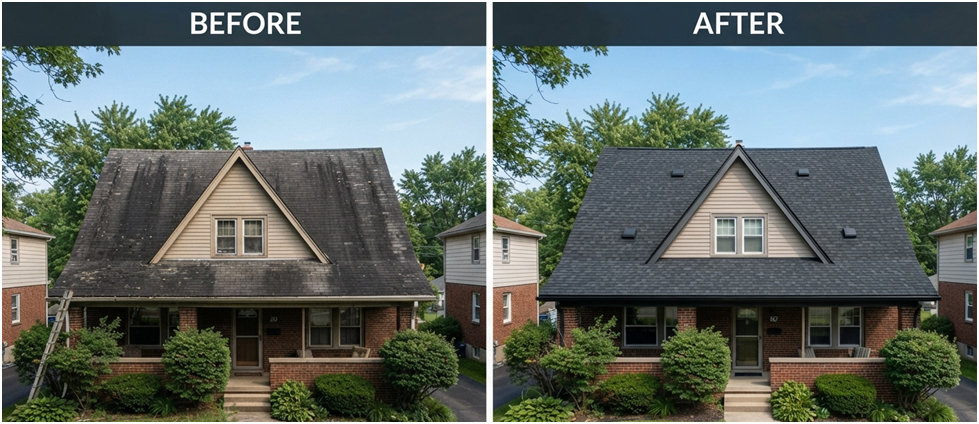
Quick Answer
For most homes, replacing a roof takes 1 to 3 days.
However, the actual timeline depends on several factors, including:
- Roofing material
- Roof size
- Roof design and slope
- Weather conditions
- Structural repairs
- Crew size
- Permit or inspection requirements in some locations
Larger or more complex roofing projects may take several days or even more than a week, especially when specialized materials such as slate or clay tiles are involved.
Average Roof Replacement Time
The table below provides a general idea of how long different roofing projects may take. These are estimates only and can vary based on local conditions and the complexity of the project.
| Roof Type | Typical Replacement Time |
| Small asphalt shingle roof | 1 day |
| Average single-family home | 1–3 days |
| Large residential roof | 3–5 days |
| Complex multi-level roof | 5–7 days |
| Slate or clay tile roof | Several days to over a week |
| Commercial roofing projects | Often several days to multiple weeks |
A simple roof with good weather and easy access may be completed surprisingly quickly, while homes with multiple roof sections, skylights, chimneys, or structural repairs typically require more time.
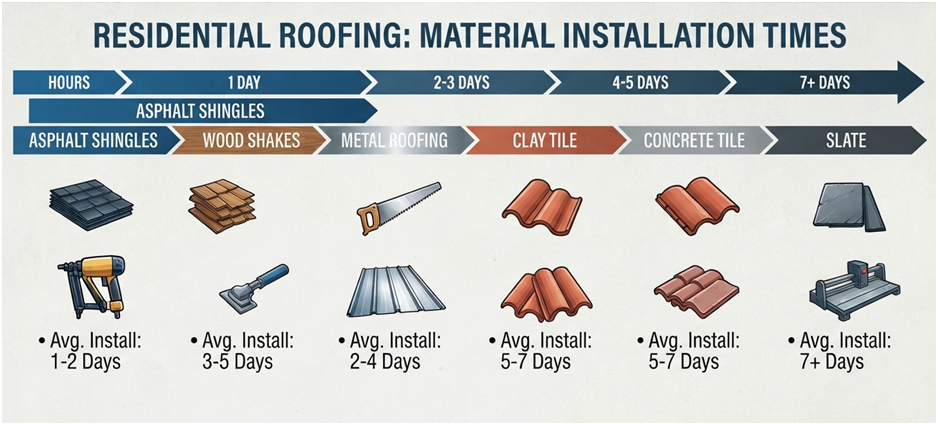
What Determines Roof Replacement Time?
Many homeowners are surprised to learn that the roofing material itself is only one part of the timeline.
Professional roofing contractors consider several factors before estimating how many days the project will require.
1. Roof Size
The larger the roof, the longer the replacement takes.
Roofing is measured in squares, with one roofing square covering 100 square feet of roof area.
More roofing squares generally mean:
- More old roofing to remove
- More new materials to install
- More cleanup
- Longer inspection times
Example Comparison
| Roof Size | Estimated Replacement Time |
| Small home | Around 1 day |
| Medium home | 1–3 days |
| Large home | 3–5 days |
| Very large custom home | Several days or longer |
The roof’s layout often matters just as much as its overall size.
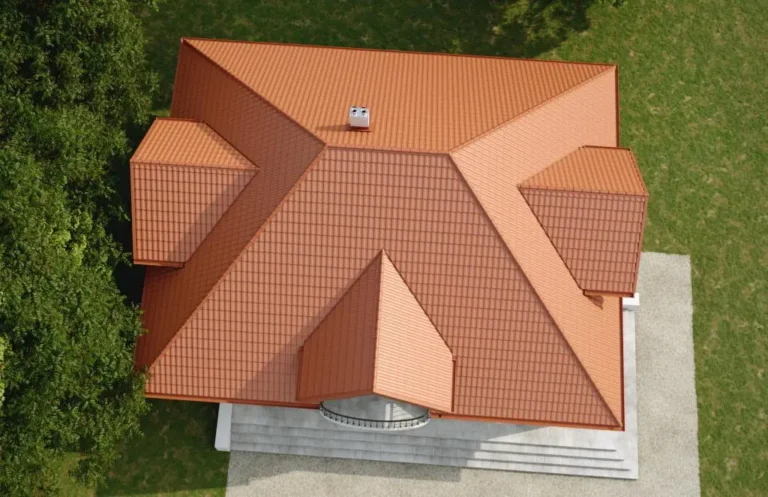
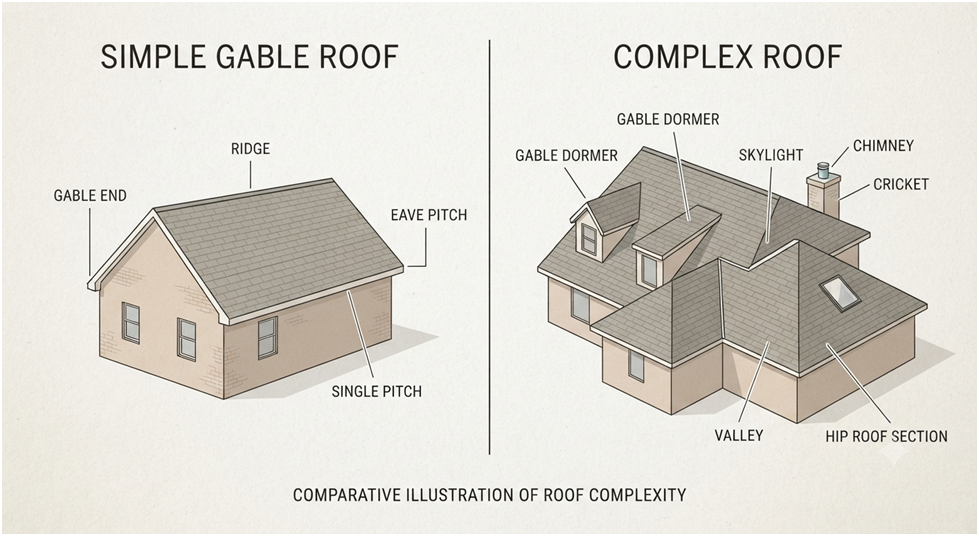
2. Roof Design and Complexity
Two roofs with the same square footage may require very different amounts of time.
Features that increase complexity include:
- Multiple roof valleys
- Dormers
- Skylights
- Chimneys
- Steep roof slopes
- Several roof levels
- Complex flashing details
Each feature requires additional measuring, cutting, sealing, and installation.
Practical Homeowner Insight
Roofing crews often spend more time working around complex architectural details than installing shingles across large, open roof sections. That’s why a smaller but more intricate roof can sometimes take longer than a larger, simpler one.
3. Roofing Material
Some roofing materials install much faster than others.
Average Installation Time by Material
| Roofing Material | Relative Installation Speed |
| Asphalt shingles | Fast |
| Metal panels | Moderate |
| Wood shingles | Moderate |
| Concrete tiles | Slow |
| Clay tiles | Slow |
| Natural slate | Slowest |
Materials such as slate and clay require more careful handling because individual pieces are heavier and more fragile than asphalt shingles.
Metal roofing may also require specialized installation techniques depending on the system being used.
4. Weather Conditions
Weather is one of the few factors that contractors cannot control.
Roofing work may slow down or stop because of:
- Rain
- Snow
- High winds
- Lightning
- Extreme heat
- Ice
Roofing materials generally need dry conditions for proper installation, especially when underlayment and adhesives are involved.
Can Roofers Work in Light Rain?
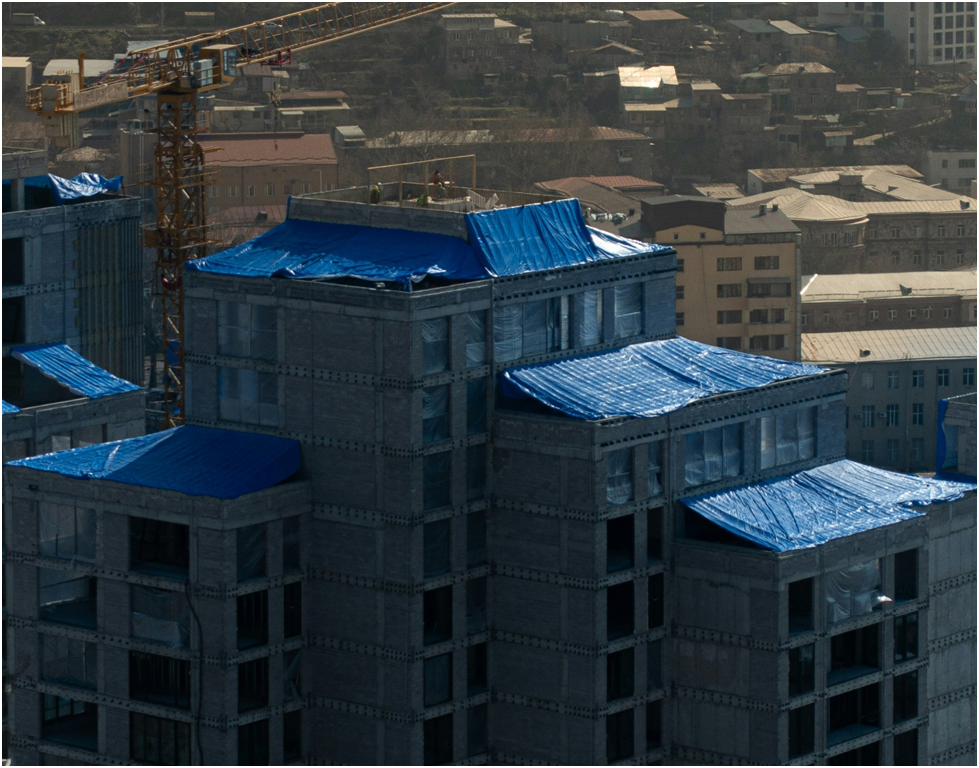
Most professional contractors avoid removing large sections of roofing if rain is expected. If unexpected showers occur, exposed areas are usually covered with waterproof tarps until work can safely resume.
5. Existing Roof Condition
Sometimes the old roof is removed only to reveal hidden damage underneath.
Examples include:
- Rotten roof decking
- Water-damaged sheathing
- Mold
- Damaged rafters
- Pest damage
These issues usually need to be repaired before new roofing materials can be installed safely.
Because hidden damage cannot always be seen before the old roof is removed, it may extend the project timeline.
6. Roofing Crew Size
The number of workers assigned to the project also affects roof replacement time.
| Crew Size | General Effect on Timeline |
| Small crew | Longer project duration |
| Medium crew | Typical residential timeline |
| Large crew | Faster completion on larger homes |
However, more workers do not always guarantee a faster project. Quality workmanship and proper coordination remain more important than speed alone.
7. Permits and Inspections
Some municipalities require permits or inspections before or after roof replacement.
Requirements vary depending on:
- Local building codes
- Roofing material
- Scope of work
- Whether structural repairs are involved
Permit approval and inspection scheduling may affect the overall timeline, even if the roofing work itself is completed quickly.
Always check with your local building department or roofing contractor to understand any applicable requirements.
The Roof Replacement Process: Step by Step
Understanding each stage of the project helps homeowners know what happens before, during, and after installation.
Step 1: Initial Roof Inspection
The project begins with a professional inspection.
The contractor typically evaluates:
- Roof age
- Existing damage
- Flashing
- Ventilation
- Gutters
- Roof decking (where visible)
- Attic condition
This inspection helps determine whether repairs or a full replacement are the best solution.
Step 2: Choosing Roofing Materials
After deciding to replace the roof, homeowners select materials based on:
- Budget
- Appearance
- Climate
- Durability
- Local building requirements
- Warranty options
Popular residential choices include:
- Asphalt shingles
- Metal roofing
- Clay tiles
- Concrete tiles
- Slate
- Wood shingles or shakes
Material Comparison
| Material | Durability | Installation Speed | Maintenance |
| Asphalt shingles | Moderate | Fast | Low |
| Metal roofing | High | Moderate | Low |
| Wood shingles | Moderate | Moderate | Moderate |
| Clay tile | Very High | Slow | Low |
| Slate | Excellent | Slow | Low |
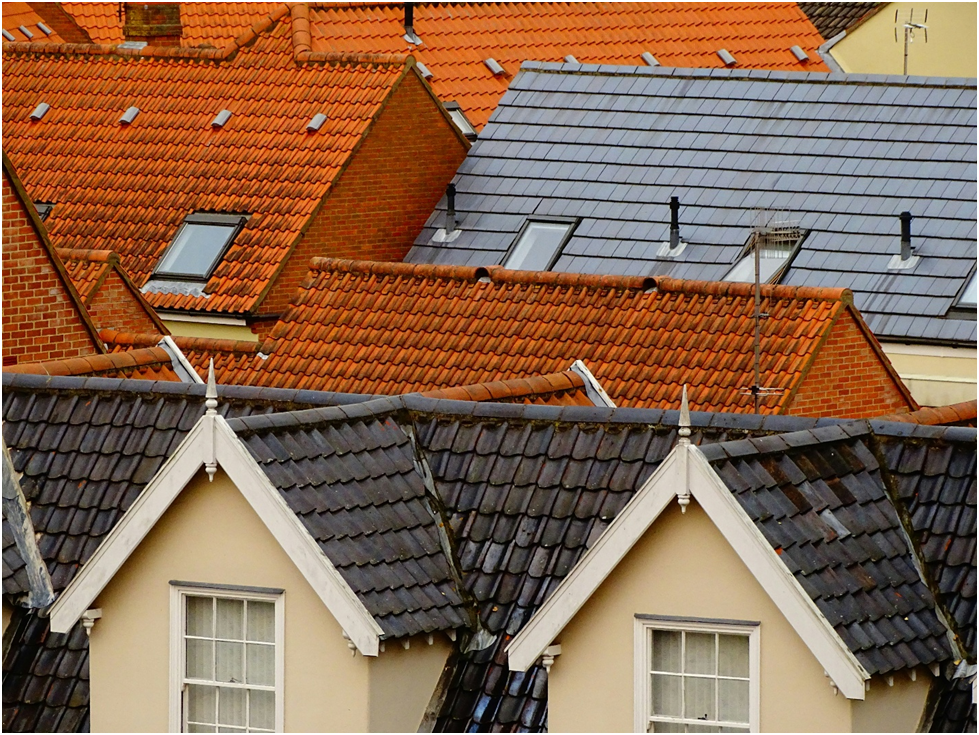
Roof Replacement Time by Roof Size
| Roof Size | Time |
|---|---|
| 1,000 sq ft | 1 day |
| 1,500 sq ft | 1–2 days |
| 2,000 sq ft | 2–3 days |
| 3,000+ sq ft | 3–5 days |
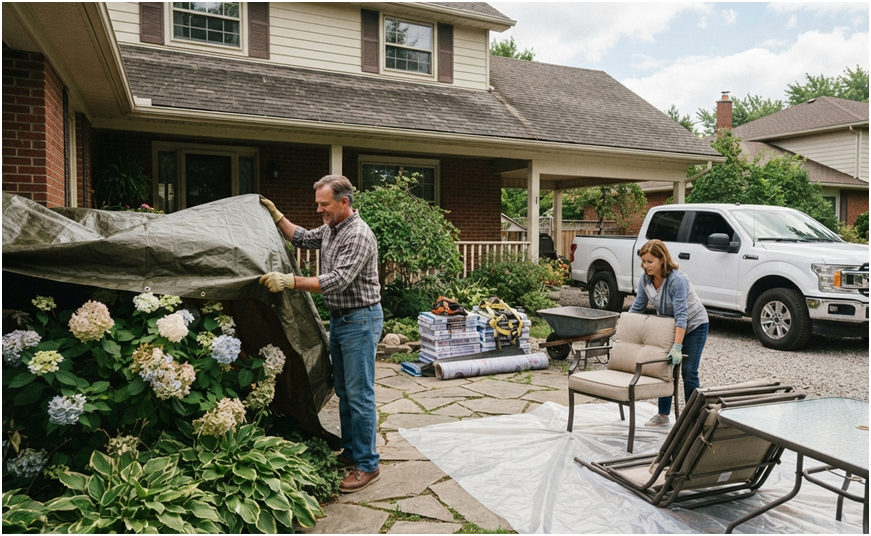
Step 3: Preparing the Property
Before installation begins, the roofing crew prepares the work area.
Preparation may include:
- Delivering roofing materials
- Positioning dumpsters or debris trailers
- Protecting landscaping
- Covering delicate plants
- Moving outdoor furniture if necessary
- Setting up ladders and safety equipment
Homeowner Tip
Ask your contractor whether vehicles should be moved from the driveway before work begins. This provides easier access for material delivery and helps protect vehicles from falling debris.
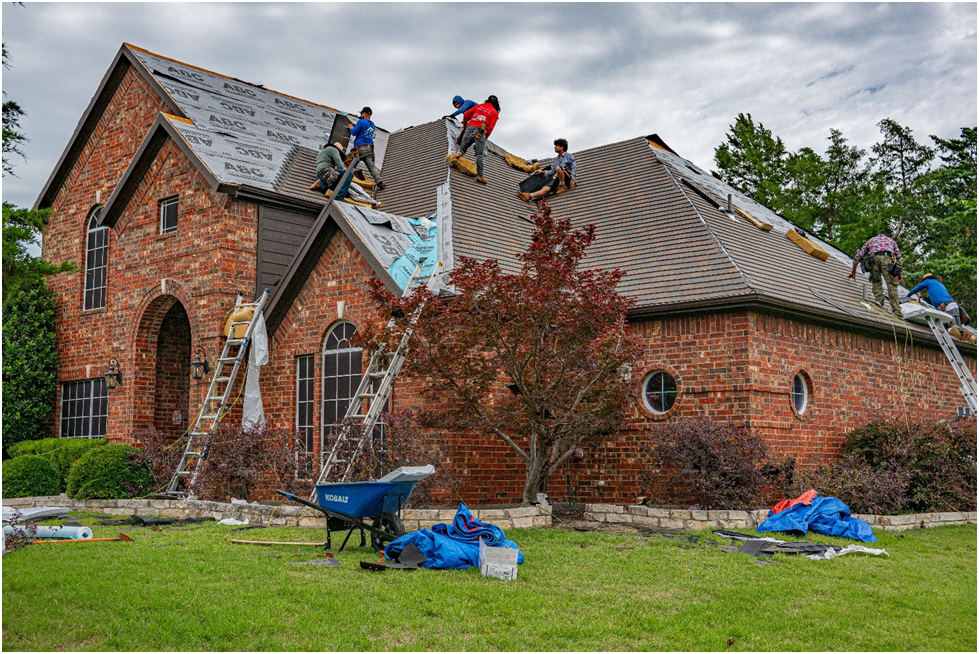
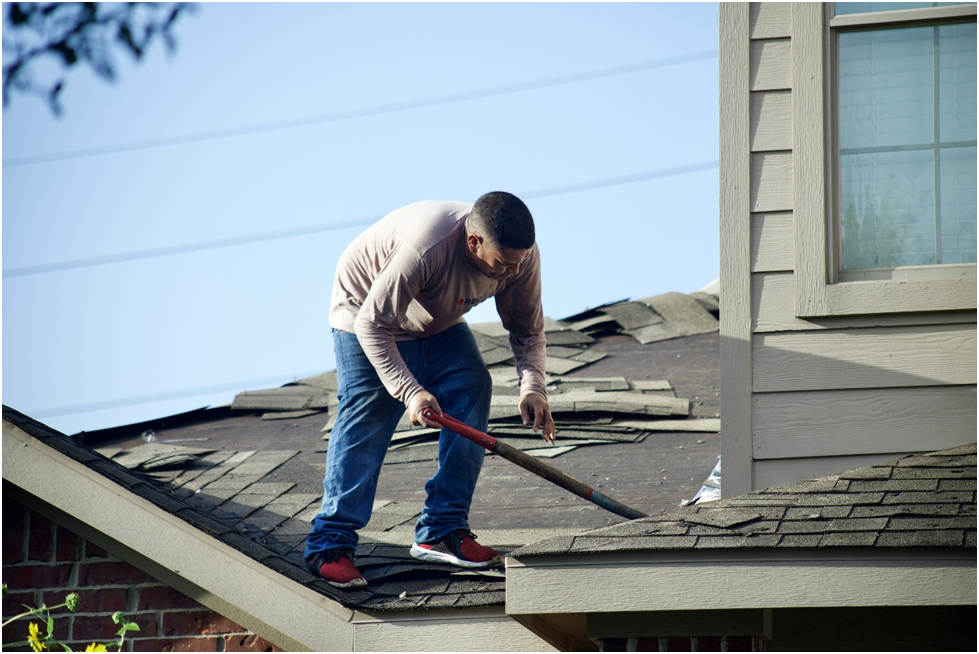
Step 4: Removing the Old Roof
Once preparation is complete, workers remove the existing roofing materials.
This stage usually involves:
- Removing shingles or tiles
- Removing old underlayment
- Inspecting roof decking
- Collecting debris immediately
For asphalt roofs, tear-off is often one of the quickest parts of the project, although multiple roofing layers can increase the time required.
Step 5: Inspecting and Repairing the Roof Deck
After the old roof has been removed, the underlying roof deck becomes fully visible.
This is one of the most important stages of the entire project because hidden structural issues often become apparent only after the roofing materials have been stripped away.
The contractor may check for:
- Soft or weakened wood
- Rot caused by long-term leaks
- Water stains
- Loose or damaged sheathing panels
- Nail pops
- Signs of insect damage
If damaged decking is found, it is typically repaired or replaced before new roofing materials are installed. Skipping this step could reduce the lifespan of the new roof and may lead to future problems.
Practical Homeowner Insight
Some homeowners are surprised when additional repairs are recommended after the old roof is removed. This does not necessarily indicate poor planning—certain structural issues simply cannot be confirmed until the roof deck is exposed.
Typical Timeline for a Standard Asphalt Roof
The following example shows how a straightforward residential roof replacement may progress under normal conditions.
| Day | Typical Work Completed |
| Day 1 | Site preparation, tear-off of old roofing, roof deck inspection |
| Day 2 | Underlayment, flashing, ventilation components, and most roofing installation |
| Day 3 | Final roofing work, ridge caps, cleanup, and final inspection |
Not every project follows this exact schedule. Smaller homes may be completed in a single day, while larger or more complex roofs may require additional time.
Why Homeowners Should Focus on Quality, Not Just Speed
When comparing roofing estimates, it’s natural to ask how quickly the work can be completed. However, the fastest schedule is not always the best option.
A high-quality roof replacement involves careful preparation, proper flashing installation, correct ventilation, thorough cleanup, and attention to detail. Rushing these steps can increase the likelihood of leaks or premature roof failure.
Instead of asking only “How many days does it take to replace a roof?”, also ask your contractor:
- How will the property be protected during the project?
- How will hidden deck damage be handled?
- What quality checks are performed before completion?
- How is debris cleaned up each day?
- What warranties are included?
These questions often tell you more about the quality of the contractor than the estimated completion date alone.
Step 6: Installing the New Roofing System
Once the roof deck has been inspected and any necessary repairs have been completed, the installation of the new roofing system begins.
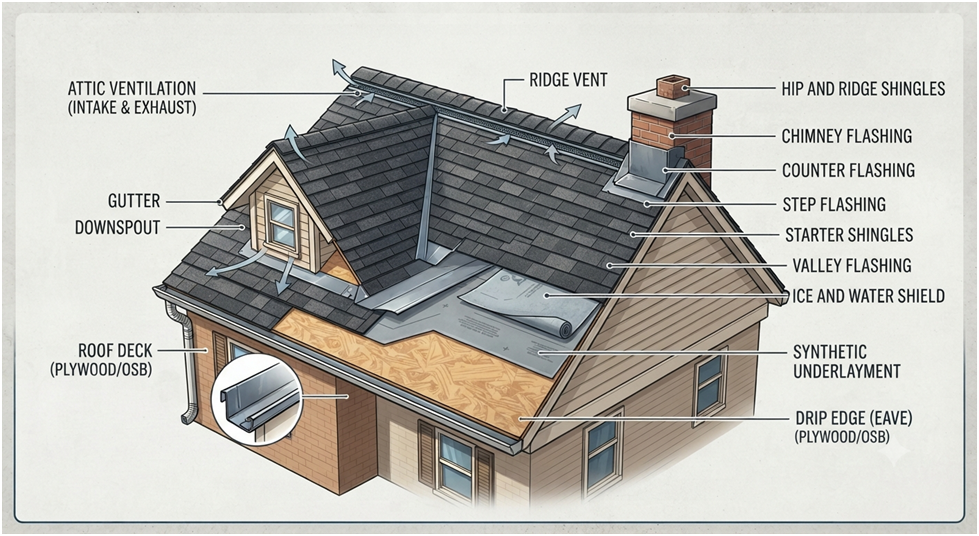
This stage involves much more than simply laying shingles or tiles. A modern roofing system includes several layers that work together to keep water out and improve the roof’s durability.
A typical installation may include:
- Installing an ice and water barrier where required
- Laying roof underlayment
- Installing drip edge along roof edges
- Adding flashing around chimneys, skylights, and roof penetrations
- Installing ventilation components
- Installing shingles, metal panels, or tiles
- Finishing ridge caps and sealing exposed areas
Each layer plays a role in protecting your home from moisture and extending the roof’s lifespan.
Step 7: Cleanup and Final Inspection
A professional roof replacement does not end when the last shingle is installed.
The final stage usually includes:
- Removing roofing debris
- Cleaning gutters of loose materials
- Collecting nails with magnetic sweepers
- Removing tarps and protective coverings
- Inspecting flashing and roof penetrations
- Verifying ridge vents and ventilation components
- Reviewing the completed project with the homeowner
Homeowner Checklist Before Final Approval
Before considering the project complete, walk around your property and check the following with your contractor.
| Item | Check |
| Roofing materials installed correctly | ✅ |
| Flashing properly secured | ✅ |
| Gutters free of roofing debris | ✅ |
| Nails removed from lawn and driveway | ✅ |
| Landscaping protected | ✅ |
| Leftover materials discussed | ✅ |
| Warranty documents received | ✅ |
A final walkthrough gives you an opportunity to ask questions before the crew leaves.
What Can Delay a Roof Replacement?
Even the most organized roofing projects can experience delays.
Fortunately, many delays are temporary and are not a sign that something has gone wrong.
Common Causes of Delays
| Cause | Possible Effect on Timeline |
| Rain or thunderstorms | Roofing work may pause until conditions improve. |
| High winds | Unsafe working conditions delay installation. |
| Extreme heat | Work may slow to protect crew safety. |
| Hidden structural damage | Repairs add additional work before roofing continues. |
| Permit or inspection scheduling | May delay project completion depending on local requirements. |
| Special-order materials | Delivery times may extend the project. |
| Unexpected equipment issues | Minor scheduling adjustments may be required. |
Practical Homeowner Insight
The best roofing contractors would rather delay a project for safe weather than rush installation under poor conditions. A short delay is usually preferable to compromising the quality of the finished roof.
Can You Stay Home During a Roof Replacement?
In most cases, yes.
Many homeowners continue living in their homes throughout the project.
However, expect:
- Loud hammering and construction noise
- Vibrations throughout the house
- Workers moving around the property
- Limited driveway access
- Temporary restrictions around the work area
Families with infants, pets, elderly relatives, or individuals who work from home may prefer to spend part of the day elsewhere because of the noise.
What to Expect Inside Your Home
| During Roof Replacement | What You May Notice |
| Hammering | Loud but temporary |
| Vibrations | Pictures or decorations may shake slightly |
| Dust | Minor dust near attic access in some homes |
| Outdoor access | Certain areas may be temporarily restricted |
How to Prepare Your Home Before Roof Replacement
Preparing your property before work begins helps the project run more smoothly.
Exterior Preparation
- Move vehicles away from the driveway.
- Remove patio furniture and grills.
- Cover delicate garden plants if recommended.
- Secure outdoor decorations.
- Unlock gates if contractors need backyard access.
Interior Preparation
Although most work happens outside, vibrations can affect items inside your home.
Consider:
- Removing fragile wall decorations
- Securing hanging mirrors
- Protecting valuables stored in the attic
- Informing neighbors about the upcoming project
- Keeping children and pets away from active work zones
Roof Replacement Timeline: Simple vs. Complex Projects
Not every roof replacement follows the same schedule.
The table below compares typical project characteristics.
| Project Type | Typical Timeline | Difficulty |
| Small single-story home | Around 1 day | Low |
| Average family home | 1–3 days | Moderate |
| Large two-story home | 3–5 days | Moderate to High |
| Complex roof with dormers and skylights | 5–7 days | High |
| Slate or clay tile installation | Several days to over a week | High |
Factors You Can Control vs. Factors You Can’t
Understanding which factors are within your control can help you prepare more effectively.
| Homeowner Can Control | Homeowner Cannot Control |
| Choosing an experienced contractor | Weather conditions |
| Selecting roofing materials early | Permit processing times |
| Preparing the property | Hidden structural damage |
| Scheduling during favorable seasons | Material delivery delays beyond supplier control |
| Asking questions before work begins | Emergency repairs discovered during tear-off |
Focusing on the controllable factors helps reduce unnecessary delays.
Common Mistakes Homeowners Make During Roof Replacement
Replacing a roof is a major investment, so avoiding common mistakes can save time, money, and frustration.
| Mistake | Why It Can Cause Problems |
| Choosing the lowest quote without comparing details | Lower prices may exclude important work or use lower-quality materials. |
| Ignoring contractor credentials | Increases the risk of poor workmanship. |
| Waiting until an emergency leak develops | Limits contractor availability and may increase costs. |
| Not reviewing warranty information | Can lead to misunderstandings about coverage. |
| Forgetting to ask about ventilation | Poor ventilation may shorten the life of the new roof. |
| Failing to schedule a final walkthrough | Small issues may go unnoticed after completion. |
Decision-Making Tip
Instead of asking, “Who is the cheapest?”, ask:
- What materials are included?
- How will flashing be replaced?
- Will damaged decking be documented?
- How is cleanup handled?
- What workmanship warranty is provided?
These questions often reveal more about a contractor’s quality than the estimate alone.
Does a Faster Roof Replacement Mean Better Service?
Not necessarily.
A skilled roofing crew can complete many residential roofs quickly because they have experience, proper equipment, and efficient workflows.
However, speed should never come at the expense of quality.
Quality Indicators
| Good Signs | Warning Signs |
| Detailed written estimate | Vague verbal promises |
| Thorough roof inspection | Quick estimate without inspection |
| Explains the replacement process | Avoids questions |
| Protects landscaping | Little concern for property protection |
| Provides warranty documentation | Warranty details are unclear |
A roof is expected to protect your home for decades. Taking an extra day to complete the work correctly is often worthwhile.
Safety Considerations
Roof replacement is hazardous work and should generally be left to trained professionals.
For homeowners:
- Stay outside designated work areas.
- Keep children and pets indoors or away from the work zone.
- Avoid climbing onto the roof during the project.
- Be cautious of falling debris.
- Follow any instructions provided by the roofing contractor.
Professional roofing crews typically use safety equipment such as harnesses, roof anchors, ladders, and fall-protection systems where required.
Local safety regulations and requirements vary by location.
After the Roof Is Installed: Ongoing Maintenance
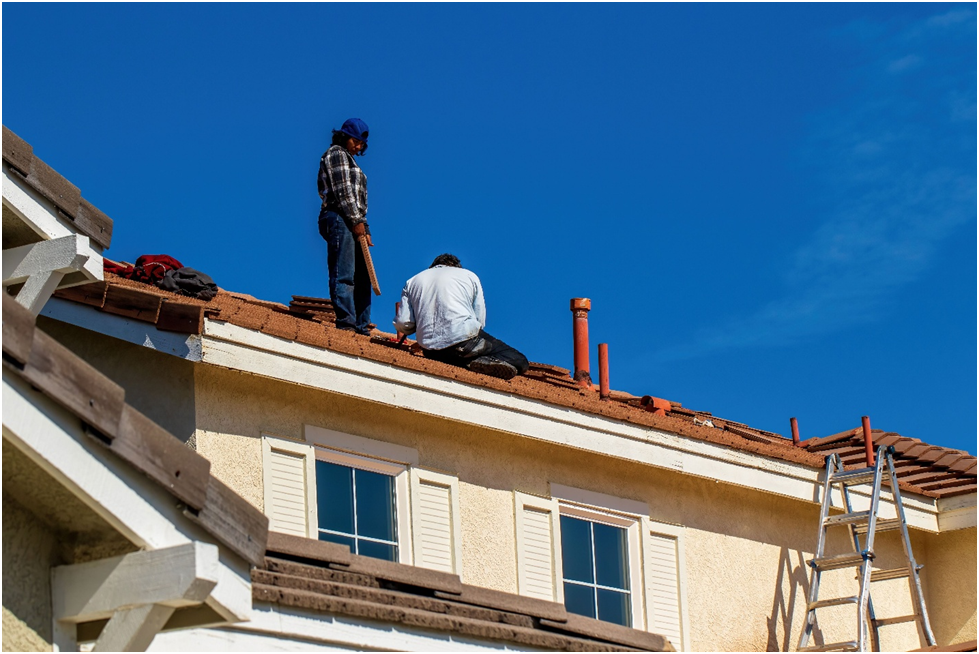
A new roof still requires routine care to help maximize its lifespan.
Recommended Maintenance Schedule
| Task | Suggested Frequency |
| Visual roof inspection | Twice a year |
| Gutter cleaning | As needed, especially after leaf fall |
| Check attic for leaks | After major storms |
| Trim overhanging branches | Periodically |
| Professional roof inspection | Every few years or after severe weather |
Regular maintenance can help identify minor issues before they develop into expensive repairs.
Related Roofing Guides
- What Is Roof Drip Edge? A Complete Homeowner’s Guide
- Types of Roofing Materials: The Complete Guide to Costs, Lifespan & Pros and Cons
Frequently Asked Questions
1. How long does it take to replace a roof on an average house?
Most average-sized homes with asphalt shingles can be completed in one to three days, assuming favorable weather and no significant structural repairs.
2. Can a roof really be replaced in one day?
Yes. Smaller homes with simple roof designs and experienced roofing crews are sometimes completed in a single day. Larger or more complex roofs usually require more time.
3. What usually takes the longest during roof replacement?
Hidden structural repairs, complex roof designs, specialty roofing materials, and weather delays are among the most common reasons projects take longer than expected.
4. Will bad weather delay my roof replacement?
Yes. Rain, strong winds, snow, lightning, and extreme weather may temporarily pause roofing work to protect both workers and your home.
5. Do I need to leave my house during roof replacement?
Most homeowners remain at home, although construction noise can be significant. Some families choose to leave during the noisiest parts of the project.
6. How long does it take to replace a metal roof?
The timeline varies depending on the roof’s size and complexity. Metal roofs often take longer to install than asphalt shingles because of specialized installation techniques.
7. Can roof replacement be completed in winter?
In many regions, yes. However, weather conditions, temperature, snow, and ice may affect scheduling and installation methods. Contractors will determine whether conditions are suitable for safe installation.
8. How soon can it rain after a roof replacement?
A properly completed roof should protect your home immediately after installation. If rain is expected before work is finished, roofing crews typically secure exposed areas with waterproof coverings until installation can continue.
Final Thoughts
If you’re wondering how long does it take to replace a roof, the answer depends on much more than the size of your home. While many residential roofs are completed within one to three days, factors such as roof complexity, weather, material choice, and hidden repairs can all influence the schedule.
Rather than focusing solely on speed, prioritize quality workmanship, experienced installers, and clear communication throughout the project. A carefully installed roof is more likely to deliver decades of reliable protection than one completed in a rush.
Planning ahead, preparing your property, and understanding each stage of the roof replacement process can make the experience less stressful and help you feel confident from the initial inspection to the final cleanup.
Read our guide on Roof Lifespan
Author Bio:The Fixora Home Editorial Team is dedicated to publishing trustworthy home improvement resources based on industry best practices and authoritative sources. Every guide is carefully researched and reviewed to provide homeowners with practical, accurate, and up-to-date information for maintaining and improving their homes.
Editorial Process: Every article is fact-checked using reputable industry resources, manufacturer documentation, and current building best practices before publication and is reviewed regularly to keep information accurate and up to date.