Roof Inspection Guide: What to Expect and How Often You Need One
Why Roof Inspections Matter More Than Most Homeowners Realize
Most homeowners only think about their roof when something goes wrong — a stain on the ceiling, a missing shingle after a storm, or a leak during heavy rain. By that point, the damage is often already done. A regular roof inspection catches small problems, like a cracked seal or lifted flashing, before they turn into costly repairs or a full roof replacement.
Unlike many home systems, a roof rarely fails all at once. It deteriorates gradually, and the early warning signs are usually only visible up close or from specific vantage points most people never check. That’s exactly why a scheduled inspection routine — not just a reaction to visible damage — is one of the most cost-effective habits a homeowner can build.
How Often Should You Get a Roof Inspection?
As a general rule, plan for a professional roof inspection at least once a year, ideally in spring or fall when weather is mild and any winter or summer storm damage is easier to spot. Beyond the annual check, there are specific situations that call for an inspection regardless of when the last one happened:
- After any major storm with high winds, hail, or heavy snow accumulation
- Before buying or selling a home, as part of due diligence
- If your roof is approaching or has passed the halfway point of its expected lifespan
- After noticing granules collecting in gutters or downspouts
- When filing or considering an insurance claim for storm-related damage
What a Professional Roof Inspector Actually Checks
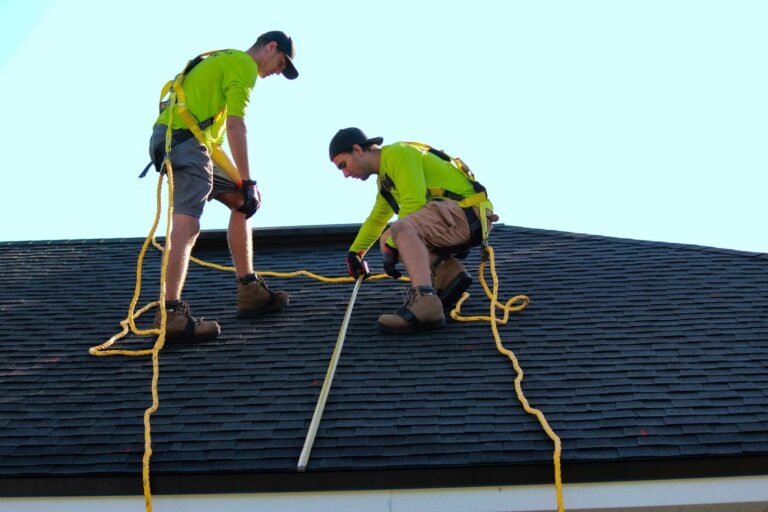
A thorough inspection covers far more than a quick glance from the ground. Professional roofers typically evaluate three separate areas of the home:
1. The Roof Surface
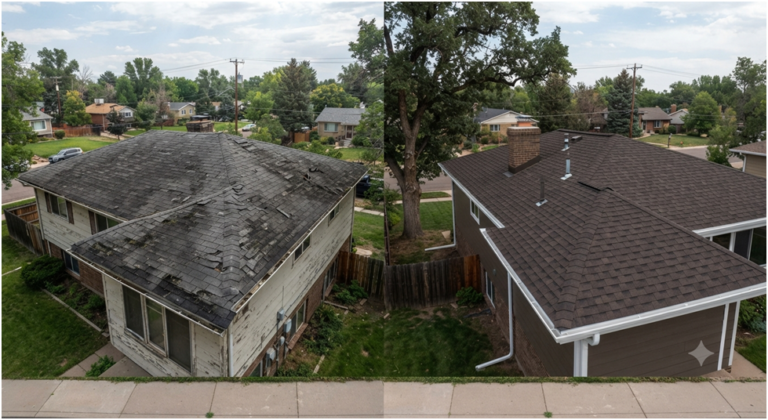
This includes checking shingles, tiles, or metal panels for cracking, curling, missing pieces, or granule loss. Inspectors also look closely at flashing around chimneys, vents, and skylights, since these transition points are where the majority of leaks originate.
2. The Structure and Ventilation
From the attic, an inspector checks for sagging decking, water stains, mold, and signs of poor ventilation. A roof that isn’t ventilating properly can trap heat and moisture, shortening the lifespan of shingles from the inside out even if the exterior looks fine.
3. Drainage and Edges
Gutters, downspouts, and drip edges are inspected to confirm water is being directed away from the roofline and foundation rather than pooling or seeping behind fascia boards.
Industry guidance from the National Roofing Contractors Association recommends this kind of comprehensive, multi-area approach rather than a surface-only check, since many of the most damaging issues start below the visible roofline.
Signs You Can Check Yourself Between Professional Visits
You don’t need to climb onto the roof to catch early warning signs. From the ground or a ladder at the eaves, look for:
- Shingles that appear curled, cracked, or patchy in color
- Dark streaks or moss growth, which can indicate trapped moisture
- Sagging spots anywhere along the roofline
- Loose or rusted flashing around chimneys and vents
- Daylight visible through the attic roof boards
If you spot any of these, it’s worth scheduling a professional inspection sooner rather than waiting for your next annual check.
How Much Does a Roof Inspection Cost?
Most professional roof inspections cost between $120 and $300, depending on roof size, pitch, and whether specialized equipment like drones is used. Some roofing companies offer free inspections as part of an estimate for repair or replacement work, so it’s worth asking when you call. Compared to the average cost of an undetected leak — which can run into the thousands once it reaches framing, insulation, or drywall — an inspection is a small, predictable expense.
Frequently Asked Questions
Can I inspect my own roof instead of hiring a professional?
A visual check from the ground is useful for catching obvious problems, but it won’t reveal issues in the attic, under flashing, or in ventilation. For anything beyond a quick visual scan, a professional inspection is safer and far more thorough.
Does a roof inspection affect my homeowners insurance?
An inspection itself doesn’t raise your premium, and in some cases it can help. Having documented proof of a well-maintained roof can support a claim after storm damage and may even qualify you for a discount with some insurers.
How long does a typical inspection take?
Most inspections take 30 to 90 minutes, depending on roof size and complexity. Drone-based inspections can sometimes be faster since they avoid the setup time of physically accessing the roof.