Types of Roofing Sheets in India: Prices, Pros & Cons (2026 Guide)
Roofing sheet price in India varies widely by material: GI sheets are cheapest at roughly ₹30–100 per sq ft, colour-coated PPGI runs ₹45–120 per sq ft, and PUF insulated panels cost ₹180–350 per sq ft for better heat control.tiles, RCC slabs, and premium metal roofing sit higher, typically ₹150–500+ per sq ft including labour. The right choice depends less on price alone and more on your region’s climate — coastal humidity, north Indian heat, or heavy monsoon rainfall each favour a different material, covered section by section below.
This guide breaks down every major roofing sheet type sold in India today, current price ranges, and which one actually suits your climate — not just your budget.
Types of Roofing Sheets Used in India
GI (Galvanized Iron) Sheets
The most common roofing sheet in India for sheds, factories, farmhouses, and budget residential construction. GI sheets are corrugated steel coated in a layer of zinc to resist rust.
- Price: ₹30–100 per sq ft depending on thickness and zinc coating grade
- Best for: Sheds, warehouses, budget housing, temporary structures
- Watch out for: Coastal areas — standard GI corrodes faster in salt air; ask for a higher zinc coating (AZ150 or above) if you’re near the coast
Colour-Coated / PPGI Roofing Sheets
Pre-painted galvanized iron sheets, sold under brands like Tata, JSW, and Jindal. A polyester or PVDF paint layer sits over the galvanized base for better looks and longer life.
- Price: ₹45–120 per sq ft for standard polyester coating; PVDF coating adds 15–25% for superior UV and colour retention
- Best for: Residential roofing where appearance matters — homes, farmhouses, commercial buildings
- Buying tip: Sheet thickness matters more than most buyers realise. Moving from 0.35mm to 0.47mm gauge adds roughly 30% to cost but significantly extends structural life — worth it for anything permanent.
Asbestos Cement (AC) Sheets
Still widely sold and used across rural and semi-urban India, though modern asbestos-free cement composite variants are increasingly common due to health regulations.
- Price: ₹30–400 per sq ft depending on material composition and thickness
- Best for: Low-cost agricultural sheds and outbuildings
- Note: Many states are moving toward asbestos-free cellulose-cement composite sheets — ask specifically if this matters for your project, and factor in that asbestos removal (if replacing an old roof) costs more due to safety disposal requirements.
PUF (Polyurethane Foam) Panel Roofing
Sandwich panels with a foam insulation core between two metal sheets. The standard choice for factories, cold storage, and any building where indoor temperature control matters.
- Price: ₹180–350 per sq ft depending on panel thickness and insulation density
- Best for: Warehouses, factories, poultry farms, any structure needing heat/cold insulation
- Why it costs more: You’re paying for the insulation core, which can cut cooling costs substantially in hot regions — often pays for itself over a few years in electricity savings for commercial buildings.
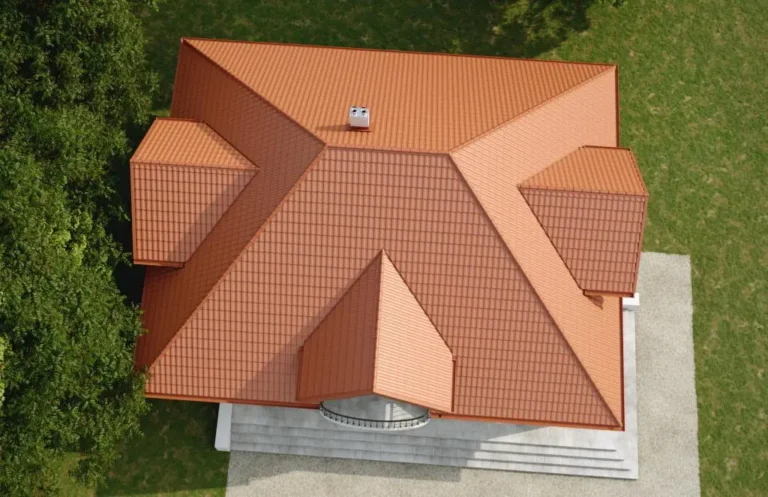
Clay Tiles / Mangalore Tiles
The traditional sloped-roof material across South India, especially Karnataka and Kerala. Fired clay tiles that interlock to shed monsoon rain effectively.
- Price: Typically ₹80–150 per sq ft including basic installation; premium or hand-finished tiles run higher
- Best for: Sloped-roof homes in heavy-rainfall regions, especially where a traditional look is wanted
- Trade-off: Heavier than metal sheets, so roof structure needs to be designed for the load; more labour-intensive to install than sheet roofing.
RCC (Reinforced Cement Concrete) Roofing
The standard flat-roof construction method for urban Indian homes and apartments — a poured concrete slab reinforced with steel bars.
- Price: Varies widely by region and structural requirements; generally the most expensive per sq ft once you include reinforcement steel, shuttering, and curing time, but it’s a structural element, not just a roof covering
- Best for: Urban homes, apartments, anywhere a usable terrace is wanted
- Critical follow-up cost: An RCC roof is only as good as its waterproofing (see below) — untreated slabs leak within a few monsoons.
Polycarbonate & PVC Roofing Sheets
Lightweight, often transparent or translucent sheets used for skylights, car porches, balconies, and pergolas rather than full roofs.
- Price: Wide range depending on UV protection layer and thickness — generally mid-range, positioned between GI sheets and PUF panels
- Best for: Natural light areas, porches, verandas, greenhouse-style structures
- Buying tip: Cheap unbranded polycarbonate yellows and becomes brittle within 2–3 years of sun exposure. Pay for a UV-stabilised sheet with a proper warranty.
Roofing Sheet Price Per Sq Ft in India — Quick Comparison
| Material | Price Range (per sq ft) | Best Suited For |
|---|---|---|
| GI Sheet (bare) | ₹30–100 | Sheds, budget structures |
| Colour-Coated (PPGI) | ₹45–120 | Homes, farmhouses |
| Asbestos Cement Sheet | ₹30–400 | Rural/agricultural sheds |
| PUF Insulated Panel | ₹180–350 | Factories, warehouses, cold storage |
| Clay / Mangalore Tiles | ₹80–150+ | Sloped roofs, South India |
| Polycarbonate/PVC | Mid-range, varies by grade | Skylights, porches, pergolas |
Prices are indicative wholesale-to-retail ranges as of 2026 and vary by city, brand (Tata/JSW/Jindal vs. unbranded), order quantity, and steel market fluctuations. Always get itemised, city-specific quotes before budgeting.
Terrace & Roof Waterproofing Cost in India
For RCC roofs and terraces, waterproofing isn’t optional — it’s the difference between a roof that lasts and one that leaks by the second monsoon.
- Liquid-applied waterproof coatings: roughly ₹40–80 per sq ft
- TPO or bituminous membrane systems: roughly ₹60–150 per sq ft including surface prep and labour
Many contractors charge a premium for waterproofing work carried out during the monsoon itself, since heavy rain slows curing and application. If your roof needs work, scheduling it in the dry months (typically before or well after the monsoon, depending on your region) usually costs less and gives the coating time to cure properly.
Best Roofing Material by Indian Climate Zone
- Coastal regions (Mumbai, Chennai, Kochi, Goa): Prioritise corrosion resistance — high-zinc-coated GI (AZ150+) or aluminium roofing over standard steel. Salt air accelerates rust dramatically on under-coated sheets.
- Hot, dry regions (Rajasthan, Delhi-NCR, Gujarat interior): Reflective colour coatings reduce heat gain indoors. PUF panels are worth the extra cost for any occupied building.
- Heavy monsoon regions (Kerala, coastal Karnataka, Northeast India): Steep-pitched profiles with strong interlocking (clay tiles or well-profiled metal sheets) shed water faster than flat or low-slope designs. Leak-proof flashing and gutters matter more here than anywhere else.
- North Indian winters: Insulated panels (PUF) or a well-waterproofed RCC slab with proper thermal treatment reduce heat loss.
Choosing a Roofing Contractor in India
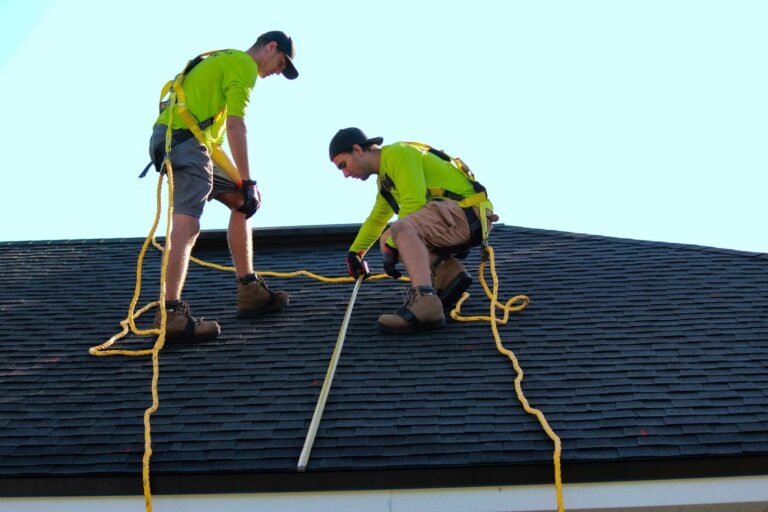
A few things worth checking before hiring, regardless of city:
- Ask for itemised quotes, not a single lump-sum figure — material cost, labour, accessories (flashing, gutters, sealants), and removal of old roofing (if applicable) should be broken out separately.
- Confirm sheet gauge/thickness in writing — “GI sheet” alone doesn’t specify quality; get the exact mm thickness and zinc coating grade on the invoice.
- Check warranty terms — paint warranty (colour fade) and structural/leak warranty are usually separate; ask what’s covered and for how long.
- Factor in old roof removal separately, especially for asbestos sheet replacement, which requires specific safety handling and costs more than standard debris removal.
Frequently Asked Questions
Which roofing sheet is best for home in India? For most residential use, colour-coated (PPGI) steel sheets offer the best balance of cost, appearance, and durability. In coastal areas, prioritise higher zinc-coating grades; in hot regions, a reflective coating helps reduce indoor heat.
What is the cheapest roofing material in India? Bare GI sheets are generally the lowest-cost option per sq ft, followed by basic asbestos cement sheets. Both suit budget sheds and outbuildings better than long-term residential roofing.
How much does it cost to waterproof a terrace in India? Liquid-applied waterproofing typically costs ₹40–80 per sq ft; membrane-based systems (TPO/bituminous) run ₹60–150 per sq ft including labour. Costs rise somewhat for monsoon-period work due to slower curing conditions.
Is PUF panel roofing worth the extra cost? For factories, warehouses, or any space needing temperature control, yes — the insulation typically pays for itself in reduced cooling costs within a few years. For a simple shed with no climate control needs, it’s usually unnecessary spending.
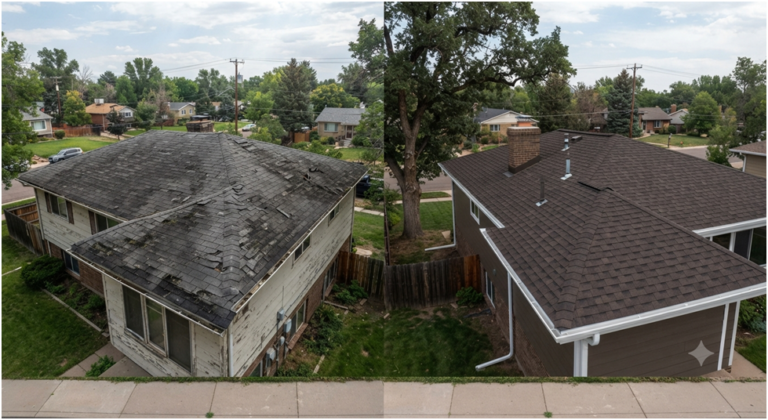
How often should roofing sheets be replaced in India? This depends heavily on material and coating quality. Well-coated colour steel sheets with proper zinc protection can last well over a decade; bare GI or low-grade asbestos sheets in humid or coastal conditions may need attention much sooner. Regular inspection before and after monsoon season is the best way to catch problems early.
How Long Does It Take to Install Metal Roofing Sheets in India?
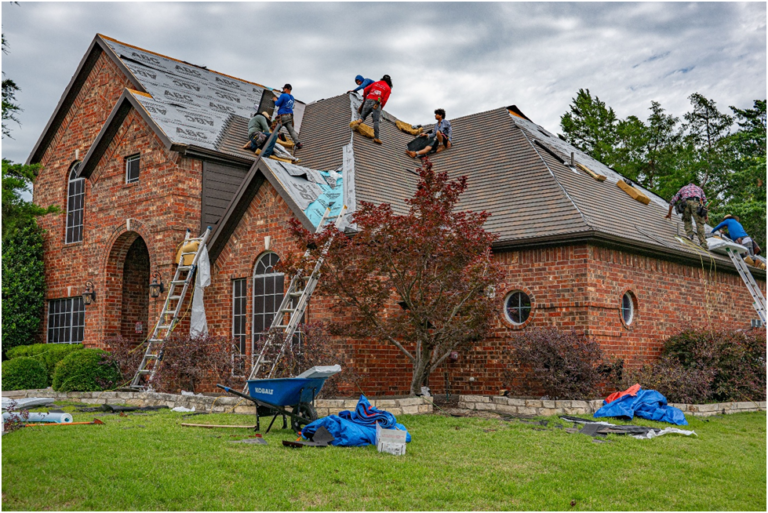
Installing metal roofing sheets in India usually takes 1–3 days for an average-sized house, depending on the roof size, design, weather, and condition of the existing roof. Simple roofs may be completed faster, while larger or more complex roofs can take several days.
Metal Roof vs Shingles: Which Is Better for Indian Homes?
For most Indian homes, metal roofing is generally a better choice than shingles because it is more durable, handles heavy rain and heat well, and usually requires less maintenance. Shingles can provide a stylish appearance and may be suitable for certain homes, but they can be less practical in India’s hot and monsoon climates. Your choice should depend on your budget, local weather, roof design, and desired lifespan.
Why Do Some Contractors Recommend Against Standing Seam Roofs?
Some contractors recommend against standing seam roofs because they can have higher upfront costs, require specialized installation skills, and need precise measurements and installation techniques. Finding experienced installers may also be difficult in some areas. However, when properly installed, standing seam metal roofs can be durable, weather-resistant, and long-lasting, making them a good option for many homes.