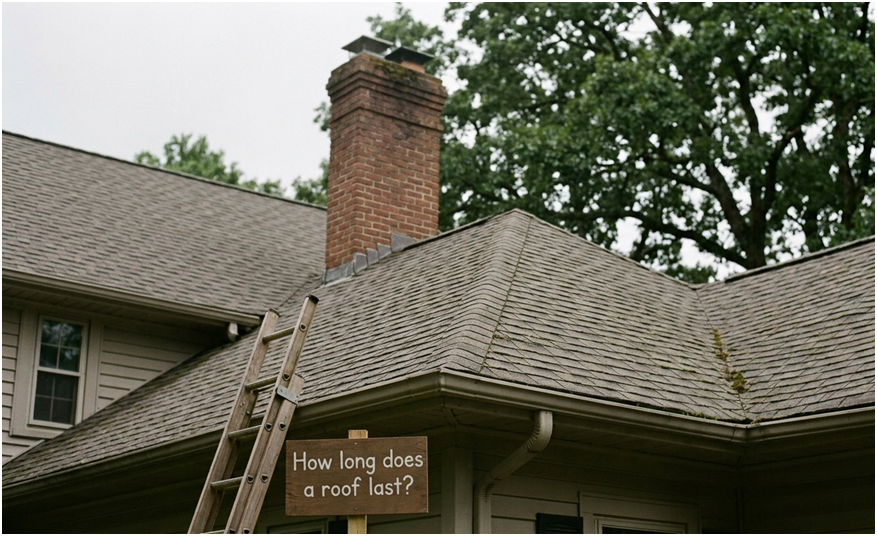
How Long Does a Roof Last? Average Roof Lifespan by Material
How Long Does a Roof Last? Average Roof Lifespan by Material
A roof replacement can cost thousands of dollars, so knowing how long your roof is expected to last can help you avoid unexpected expenses. While most residential roofs last between 20 and 50 years, the actual lifespan depends on the roofing material, climate, installation quality, and maintenance.
Understanding the average lifespan of a roof helps homeowners plan for repairs, budget for replacement, and avoid unexpected leaks or structural damage.
Quick Answer
Most residential roofs last between 20 and 50 years, but the exact lifespan varies by roofing material.
| Roofing Material | Average Lifespan |
| Asphalt 3-tab shingles | 15–20 years |
| Architectural asphalt shingles | 25–30 years |
| Wood shingles or shakes | 20–40 years |
| Metal roofing | 40–70 years |
| Clay tiles | 50–100+ years |
| Concrete tiles | 50+ years |
| Slate roofing | 75–150+ years |
These estimates assume the roof was installed correctly, has adequate attic ventilation, and receives routine maintenance. Severe weather, poor workmanship, or neglect can significantly shorten its service life.
Disclaimer: Roof lifespan varies depending on climate, installation quality, ventilation, maintenance, and local building codes. This guide provides general information and should not replace a professional roof inspection.
Please visit The Fixora Home for more related articles.
Why Roof Lifespan Varies So Much
Many homeowners ask, how long does a roof last, expecting a single number. In reality, roofing manufacturers provide estimated service lives under normal conditions, but real-world performance varies from one home to another.
Several factors determine your roof’s actual life expectancy.
Roofing Material
Some materials naturally resist weathering better than others.
For example:
- Asphalt shingles gradually lose protective granules.
- Metal roofs resist moisture and fire.
- Slate is one of the most durable natural roofing materials available.
- Clay tiles withstand intense sunlight but can crack under heavy impact.
The material you choose has the biggest influence on roof lifespan.
Climate
Weather plays a major role in determining how long does a roof last.
Roofs in regions with frequent hail, hurricanes, heavy snowfall, or prolonged heat generally wear out faster than roofs in mild climates.
Examples include:
- Constant UV exposure can dry and weaken shingles.
- Heavy snow increases structural load.
- Freeze-thaw cycles can cause cracking.
- Coastal salt air may accelerate corrosion on certain metal components.
Even identical roofing materials can age at different rates depending on where the home is located.
Installation Quality
Even premium roofing materials may fail early if installed incorrectly.
Common installation mistakes include:
- Improper nail placement
- Incorrect flashing installation
- Poor underlayment installation
- Inadequate attic ventilation
- Uneven shingle alignment
A properly installed mid-range roof often outlasts a poorly installed premium roof.
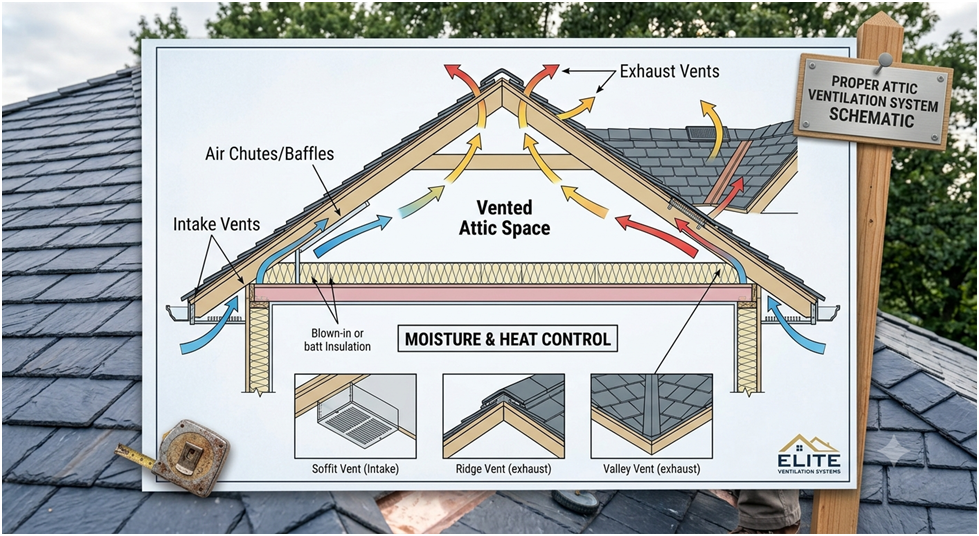
Roof Ventilation
Many homeowners overlook attic ventilation, but it has a direct impact on roof longevity.
Poor ventilation can trap heat and moisture inside the attic, causing:
- Faster shingle deterioration
- Mold growth
- Wood rot
- Ice dams in cold climates
- Increased cooling costs
Balanced intake and exhaust ventilation helps regulate attic temperature throughout the year.
Maintenance
Regular inspections can add years to a roof’s usable life.
Simple maintenance tasks include:
- Removing leaves and debris
- Cleaning gutters
- Replacing damaged shingles promptly
- Trimming overhanging tree branches
- Checking flashing around chimneys and vents
Ignoring small problems often leads to larger and more expensive repairs.
Read about French Doors Interior Ideas here.
Average Roof Lifespan by Roofing Material
Not all roofing materials age the same way. Below is a closer look at how long each common roofing type typically lasts and what affects its durability.
Asphalt Shingle Roof Lifespan
Asphalt shingles are the most common residential roofing material because they are affordable, widely available, and relatively easy to install.
However, they generally have the shortest lifespan among permanent roofing materials.
Typical lifespan
| Asphalt Roof Type | Expected Lifespan |
| 3-tab shingles | 15–20 years |
| Architectural shingles | 25–30 years |
| Premium luxury shingles | 30–40 years |
Higher-quality shingles usually include thicker construction and improved resistance to wind and weather.
Factors that shorten asphalt roof life
- Extreme heat
- Poor attic ventilation
- Strong winds
- Hail damage
- Moss growth
- Poor installation
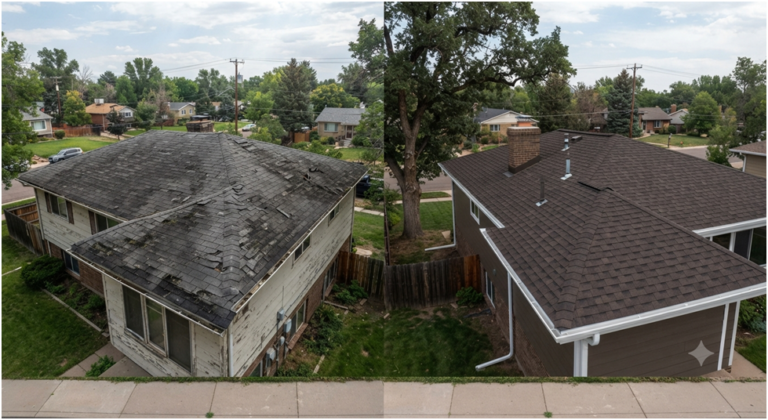
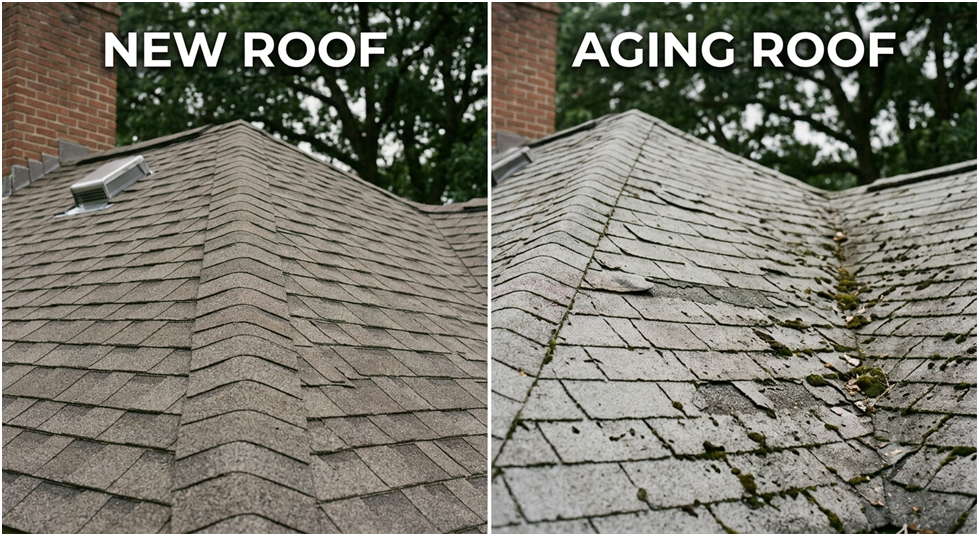
Signs an asphalt roof is aging
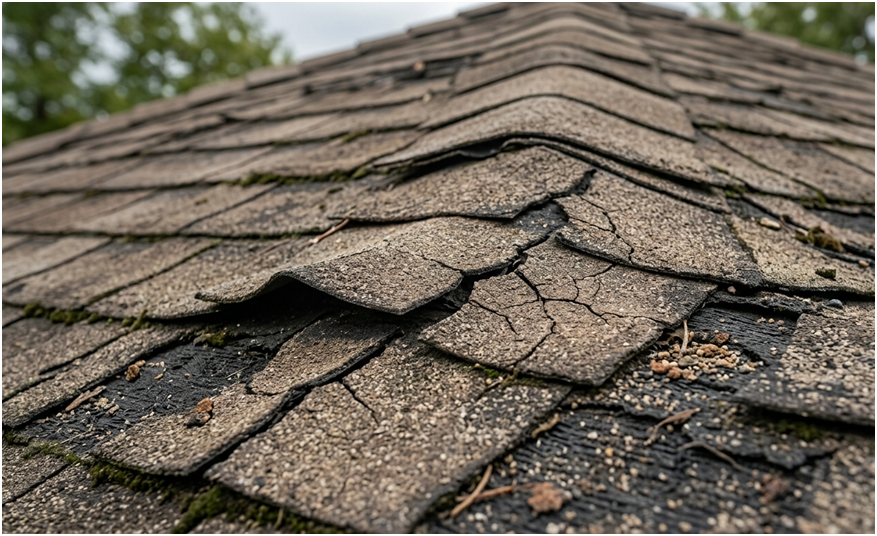
- Curling shingles
- Cracked shingles
- Missing shingles
- Granules collecting in gutters
- Bald spots
- Water stains inside the attic
Metal Roof Lifespan
Metal roofs have become increasingly popular because they combine durability with relatively low maintenance.
Depending on the type of metal used, they can last several decades longer than asphalt shingles.
Typical lifespan
| Metal Type | Average Lifespan |
| Corrugated steel | 40–60 years |
| Standing seam steel | 50–70 years |
| Aluminum | 40–60 years |
| Copper | 70–100+ years |
| Zinc | 80–100+ years |
Metal roofs perform particularly well in areas with heavy snowfall because snow slides off more easily than on many other roofing materials.
Advantages
- Fire resistant
- Lightweight
- Energy efficient
- Resistant to insects
- Long-lasting
Potential drawbacks
- Higher upfront cost
- Can dent from severe hail
- Professional installation is essential
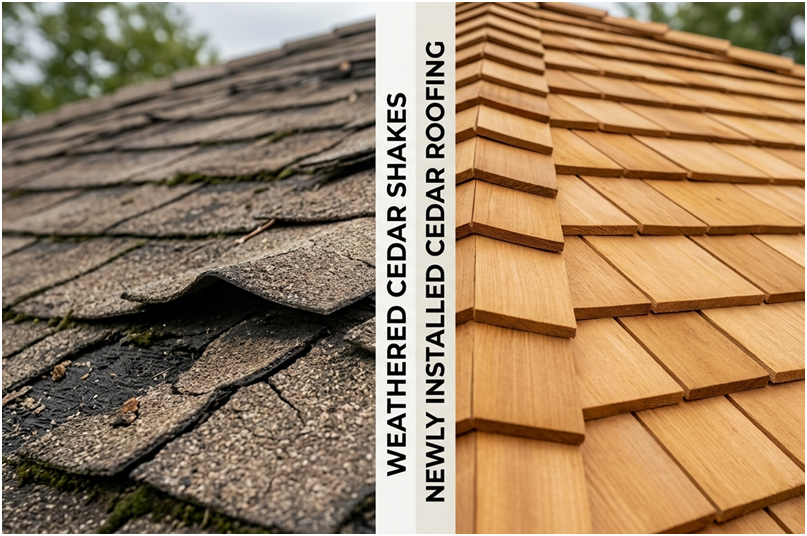
Wood Shingle and Shake Roof Lifespan
Wood roofing offers a timeless appearance that suits cottages, cabins, and traditional homes.
Although attractive, wood requires more maintenance than most other roofing materials.
Average lifespan
- Wood shingles: 20–30 years
- Cedar shakes: 30–40 years
The lifespan depends heavily on local moisture levels and regular maintenance.
Common problems
- Rot
- Moss
- Mold
- Insect damage
- Fire risk in some areas
Homeowners should check local building codes, as some regions restrict untreated wood roofing because of wildfire concerns.
Clay Tile Roof Lifespan
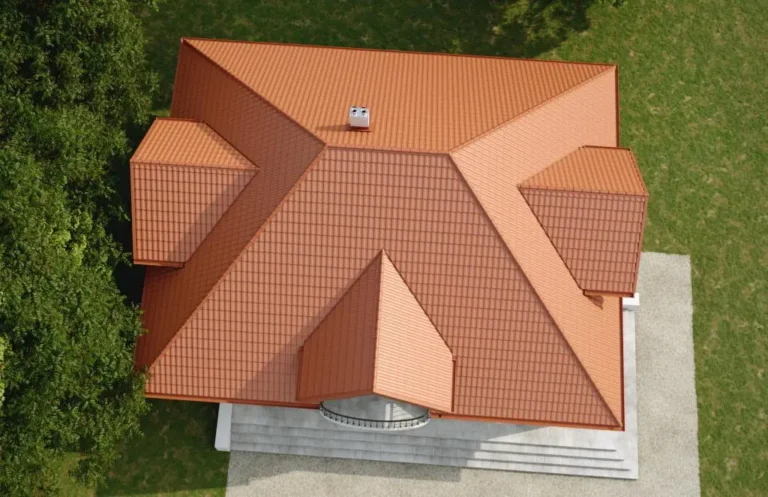
Clay tile roofs are well known for their exceptional longevity and distinctive appearance.
They are especially common in warm, sunny climates because they resist UV damage and heat extremely well.
Average lifespan
50–100 years or more
Some historic clay tile roofs have lasted well beyond a century with routine maintenance.
Benefits
- Excellent heat resistance
- Fire resistant
- Long service life
- Low maintenance
- Resistant to insects
Limitations
- Heavy weight
- Higher installation costs
- Tiles can crack if walked on improperly
Before installing clay tiles, a home’s structure may need evaluation to ensure it can support the additional weight.
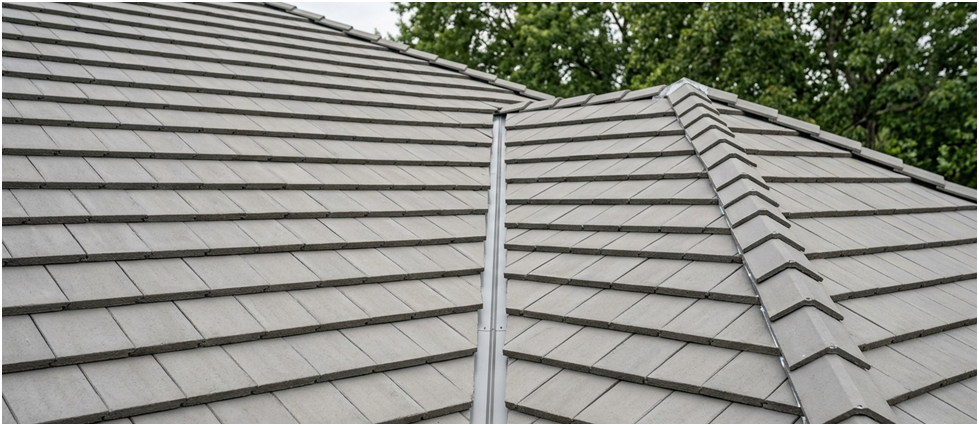
Concrete Tile Roof Lifespan
Concrete tiles offer many of the same benefits as clay tiles but are often available at a lower price.
They are durable, weather-resistant, and suitable for many climates.
Typical lifespan
50 years or longer
Concrete tiles may gradually fade in color over time, but this usually affects appearance more than performance.
Common maintenance needs
- Replace cracked tiles
- Keep valleys clear of debris
- Inspect flashing periodically
- Monitor underlayment as the roof ages
Slate Roof Lifespan
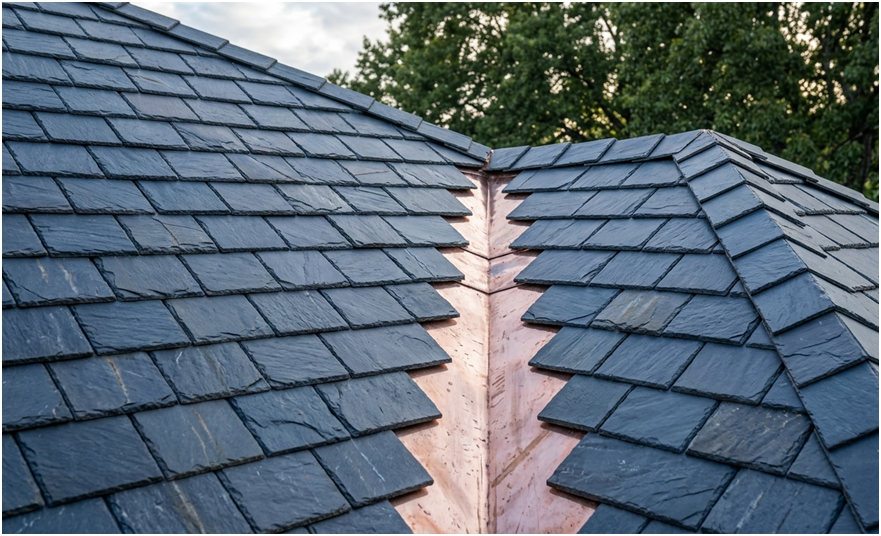
Natural slate is widely regarded as one of the longest-lasting roofing materials available.
When installed correctly on an appropriate structure, slate roofs can remain functional for generations.
Average lifespan
75–150 years or more
In many cases, the roofing underlayment or flashing requires replacement long before the slate itself wears out.
Advantages
- Exceptional durability
- Elegant appearance
- Fire resistant
- Low maintenance
- Resistant to weather extremes
Drawbacks
- Very expensive
- Extremely heavy
- Requires highly skilled installers
- Repairs can be specialized and costly
Does Roof Color Affect Lifespan?
Many homeowners wonder whether choosing a lighter or darker roof changes how long does a roof last.
In most cases, roof color has only a minor impact on lifespan compared with factors like material quality, ventilation, installation, and climate.
However, color can influence heat absorption:
- Dark-colored roofs absorb more solar heat, which may slightly increase attic temperatures in hot climates if ventilation is inadequate.
- Light-colored roofs reflect more sunlight, helping reduce heat buildup and potentially lowering cooling costs.
Signs Your Roof Is Nearing the End of Its Lifespan
Even if your roof has not yet reached its expected age, wear and tear can shorten its service life. Catching problems early may allow you to make repairs before a full replacement becomes necessary.
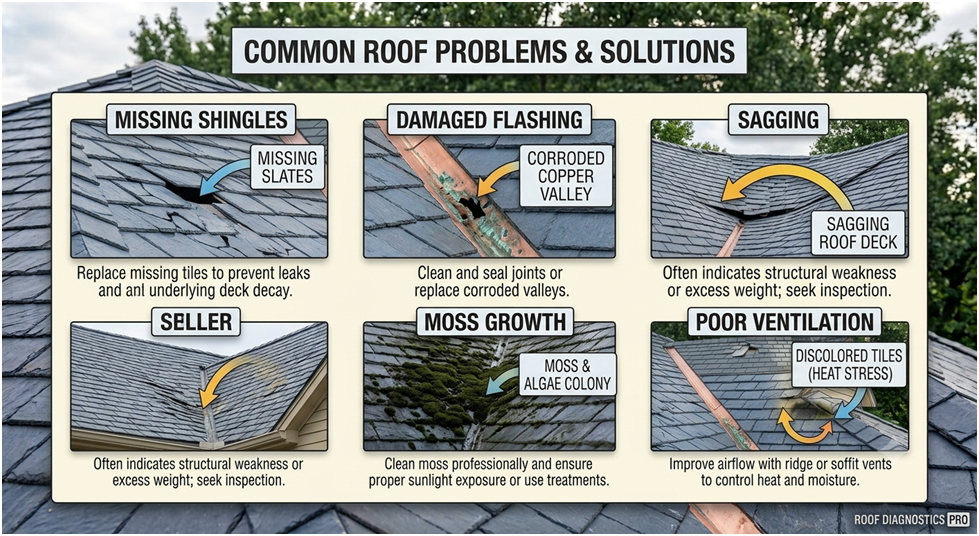
Exterior Warning Signs
Walk around your home and look for these common issues. If your roof is steep or difficult to access, inspect it from the ground using binoculars instead of climbing onto it.
- Missing shingles or tiles
- Curling, buckling, or cracked shingles
- Bald spots where protective granules have worn away
- Sagging roof sections
- Rusted or damaged flashing around chimneys, skylights, or vents
- Moss, algae, or heavy lichen growth
- Loose ridge caps
- Visible daylight through the roof from inside the attic
Interior Warning Signs
Sometimes the first signs of roof failure appear inside your home.
Watch for:
- Water stains on ceilings or walls
- Peeling paint near the ceiling
- Damp attic insulation
- Mold or mildew odors
- Dripping water during heavy rain
- Unexpected increases in heating or cooling costs caused by moisture or poor insulation performance
These symptoms do not always mean you need a new roof, but they should be investigated promptly to prevent more extensive damage.
What Can Shorten a Roof’s Lifespan?
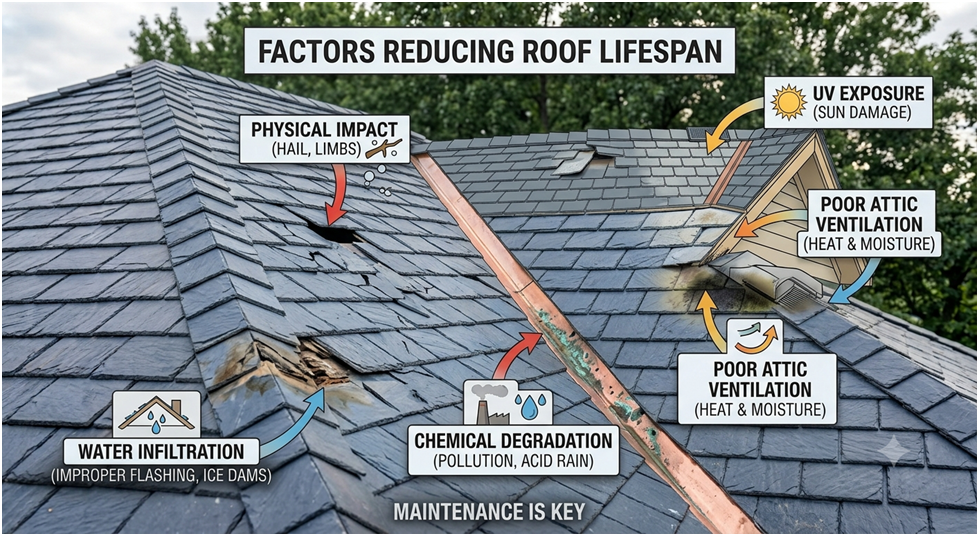
Many homeowners assume their roof will automatically last as long as the manufacturer’s estimate. In reality, those estimates are based on favorable conditions.
Several factors can reduce the average lifespan of a roof.
| Factor | How It Affects the Roof |
| Poor installation | Creates weak points that may fail prematurely. |
| Lack of maintenance | Small issues develop into major damage. |
| Severe storms | Wind, hail, and falling branches can damage roofing materials. |
| Poor attic ventilation | Heat and moisture accelerate deterioration. |
| Clogged gutters | Water backs up under roofing materials. |
| Tree branches | Cause abrasion and increase debris buildup. |
| Ice dams | Trap water along roof edges in cold climates. |
| Foot traffic | Walking on certain roofing materials can crack or loosen them. |
A roof rarely fails because of age alone. More often, it is a combination of weather, maintenance, and installation quality that determines how many years it will last.
How to Extend the Life of Your Roof
Although no roof lasts forever, proper care can help it reach or even exceed its expected lifespan.
Schedule Regular Inspections
Inspect your roof at least twice a year—typically in spring and fall—and after major storms.
Look for:
- Missing shingles
- Loose flashing
- Debris accumulation
- Damaged gutters
- Signs of leaks
Professional inspections every few years can also identify hidden issues before they become expensive repairs.
Keep Gutters Clean
Blocked gutters prevent water from draining properly.
Overflowing water can:
- Damage fascia boards
- Rot roof decking
- Increase the risk of leaks
- Cause ice dams in colder regions
Cleaning gutters regularly is one of the simplest ways to protect your roof.
Trim Nearby Trees
Overhanging branches can:
- Scratch roofing materials
- Drop leaves that trap moisture
- Break during storms
- Allow animals easier access to your roof
Keeping branches trimmed helps reduce these risks.
Address Small Repairs Quickly
A single missing shingle or cracked flashing may seem minor, but water can enter through surprisingly small openings.
Prompt repairs often cost far less than repairing water damage inside the home.
Maintain Proper Attic Ventilation
Balanced ventilation helps regulate temperature and moisture levels.
Good airflow can:
- Reduce condensation
- Prevent mold growth
- Limit heat buildup in summer
- Reduce the likelihood of ice dams in winter
Roof Repair vs. Roof Replacement
One of the biggest decisions homeowners face is whether to repair their existing roof or replace it entirely.
The right choice depends on the roof’s age, condition, and the extent of the damage.
| Situation | Usually Best Option |
| One or two damaged shingles | Repair |
| Minor flashing issue | Repair |
| Localized leak | Repair after identifying the cause |
| Extensive storm damage | Professional evaluation |
| Roof nearing expected lifespan with repeated repairs | Replacement |
| Widespread curling, cracking, or missing shingles | Replacement is often more cost-effective |
A professional roofing contractor can assess whether repairs will provide a lasting solution or simply delay an inevitable replacement.
How Much Does Roof Replacement Cost?
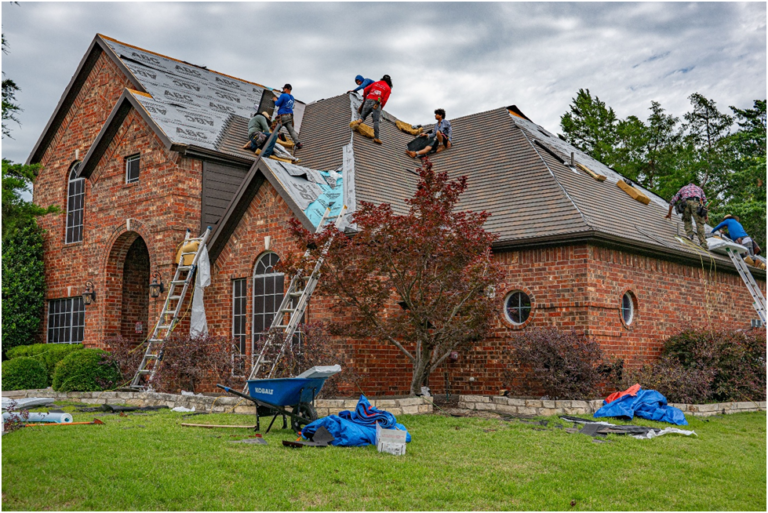
Roof replacement costs vary widely depending on:
- Roofing material
- Roof size
- Roof pitch (steepness)
- Labor rates
- Geographic location
- Removal of existing roofing
- Structural repairs, if needed
Because these variables differ significantly, there is no universal cost that applies to every home.
Asphalt shingles are generally among the most affordable roofing options, while slate and copper are usually among the most expensive due to both material and installation costs.
When comparing estimates, homeowners should look beyond the lowest price. Consider:
- Warranty coverage
- Contractor experience
- Quality of materials
- Scope of work included
- Cleanup and disposal
Requesting multiple written estimates can help you understand local pricing and make an informed decision.
Safety Considerations
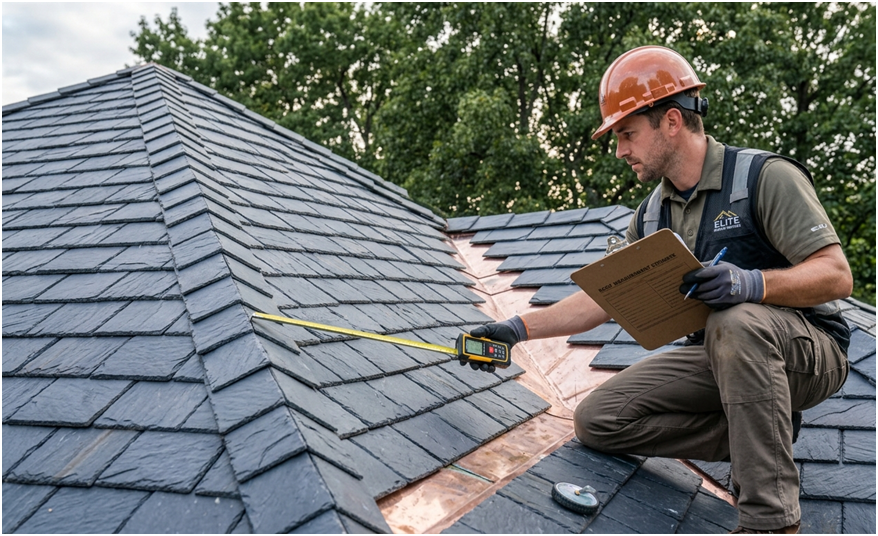
Roof inspections and maintenance involve risks, particularly on steep or wet surfaces.
Keep these safety tips in mind:
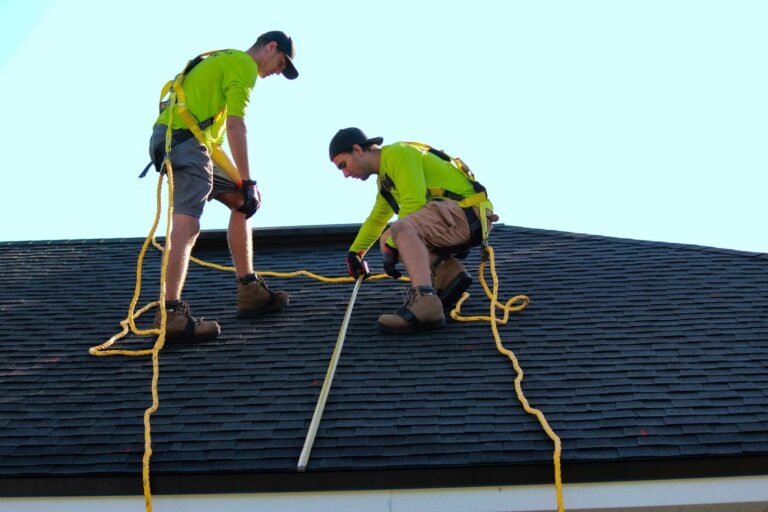
- Avoid walking on the roof unless you have the proper training and safety equipment.
- Never inspect a roof during rain, snow, or high winds.
- Use binoculars or a drone for visual inspections when possible.
- Keep ladders on stable, level ground.
- Stay clear of overhead power lines.
- Wear appropriate footwear if roof access is necessary.
Some roofing materials, such as clay tile and slate, can crack if walked on incorrectly, creating both safety hazards and costly damage.
When Should You Call a Professional?
While homeowners can perform basic visual inspections, certain situations require professional expertise.
Contact a qualified roofing contractor if you notice:
- Persistent leaks
- Sagging roof sections
- Large areas of missing shingles
- Storm or hail damage
- Damaged flashing around chimneys or skylights
- Visible structural damage
- Daylight entering the attic through the roof
- Roof age approaching its expected lifespan with multiple recurring issues
Professional roof inspections can also be worthwhile before purchasing a home or after severe weather events.
| Roof Age | Recommendation |
|---|---|
| Under 10 years | Maintain |
| 10–20 years | Inspect yearly |
| 20–30 years | Watch for damage |
| 30+ years | Consider replacement |
Related Roofing Guides
- What Is Roof Drip Edge? A Complete Homeowner’s Guide
- Types of Roofing Materials: The Complete Guide to Costs, Lifespan & Pros and Cons
- How Long Does It Take to Replace a Roof? Complete Timeline Guide
- Cost to Fix Roof Leak: Average Repair Prices (2026)
- How Often Should You Replace a Roof? Signs It’s Time
Frequently Asked Questions
How Do I Know If a Roofing Contractor Is Legitimate?
A legitimate roofing contractor should have the required licenses and insurance, provide references and a detailed written estimate, and avoid pressuring you into making a quick decision. Always verify their credentials independently before hiring.
What Questions Should I Ask a Roofer Before Hiring?
Before hiring a roofer, ask about their experience, licensing and insurance, written estimate, warranty, project timeline, materials, and references. Also ask who will perform the work and how they handle unexpected repairs or additional costs.
How Much Should a Roof Repair Cost?
The cost of roof repair varies depending on the damage, roof size, materials, and labor rates. Minor repairs may cost a few hundred dollars, while major repairs can cost much more. Always get a written estimate before work begins.
How long does a roof last on average?
Most residential roofs last between 20 and 50 years, depending on the roofing material, installation quality, climate, ventilation, and maintenance.
How long should an asphalt shingle roof last?
Standard three-tab asphalt shingles typically last 15–20 years, while architectural shingles often last 25–30 years or longer under favorable conditions.
Can a roof last 50 years?
Yes. Metal, concrete tile, clay tile, and slate roofs can often last 50 years or more when installed correctly and maintained properly.
Does replacing a few shingles extend the roof’s life?
Replacing damaged shingles can prevent leaks and slow further deterioration, but it will not restore an aging roof that has reached the end of its overall service life.
How often should I inspect my roof?
A good rule is to inspect your roof twice each year and after severe storms. Regular inspections help identify small problems before they become costly repairs.
Is moss harmful to a roof?
Yes. Moss can trap moisture against roofing materials, increasing the risk of deterioration, especially on asphalt and wood roofs. It should be removed using methods recommended for your roofing material.
How do I know if my roof needs replacement instead of repair?
If your roof has widespread damage, repeated leaks, significant shingle deterioration, or is near the end of its expected lifespan, replacement is often more practical than continuing to make repairs. A professional inspection can help determine the best option.
Final Thoughts
Understanding how long does a roof last allows homeowners to plan ahead instead of reacting to unexpected leaks or costly structural damage.
While the average lifespan of a roof depends largely on the roofing material, factors such as installation quality, climate, ventilation, and regular maintenance play an equally important role. A well-maintained roof can often reach or exceed its expected service life, while neglected roofs may fail much sooner.
The best approach is to inspect your roof regularly, address small problems before they grow, and work with qualified professionals whenever significant repairs or replacement are needed. By taking a proactive approach, you can protect your home, avoid unnecessary expenses, and maximize the value of your roofing investment.
Recommended Authoritative Resources
For additional guidance and safety information, readers can consult:
- National Roofing Contractors Association (NRCA) – Best practices for roofing systems and maintenance.
- International Code Council (ICC) – Building code information that may apply to roofing projects.
- U.S. Department of Energy (DOE) – Information on attic insulation, ventilation, and energy-efficient roofing.
- Federal Emergency Management Agency (FEMA) – Guidance on protecting homes from severe weather and storms.
- Your local building department for permit requirements, inspection procedures, and region-specific roofing regulations.
These organizations provide reliable information, though local building codes and roofing requirements may vary depending on your location.
The difference is usually modest when the roof is properly ventilated and insulated. Choosing a high-quality roofing material and ensuring correct installation will have a much greater effect on roof life expectancy than color alone.
Author Bio: The Fixora Home Editorial Team is dedicated to publishing trustworthy home improvement resources based on industry best practices and authoritative sources. Every guide is carefully researched and reviewed to provide homeowners with practical, accurate, and up-to-date information for maintaining and improving their homes.