Defining Gardens: A Complete Guide to Garden Design, Purpose, and Types
A garden is much more than a collection of plants. It is a thoughtfully planned outdoor space designed to combine beauty, function, and nature. Whether created for growing vegetables, displaying colorful flowers, supporting wildlife, or providing a peaceful retreat, gardens have been an essential part of human civilization for thousands of years.
Defining gardens involves understanding their purpose, design principles, various styles, and the role they play in improving our environment and quality of life. From small urban courtyards to expansive botanical landscapes, every garden reflects the creativity and needs of its owner.
In this comprehensive guide, we explore what defines a garden, its essential characteristics, popular garden types, design ideas, maintenance practices, and the many benefits of creating a well-planned outdoor space.
We also recommend reading the home improvement resources available on The Fixora Home for practical tips on maintaining beautiful outdoor living spaces.
What Does Defining Gardens Mean?
Defining gardens refers to identifying the characteristics that distinguish a garden from other outdoor spaces. A garden is intentionally designed and maintained to cultivate plants for ornamental, practical, environmental, or recreational purposes.
Unlike natural landscapes, gardens are carefully planned using elements such as:
- Flowers
- Trees
- Shrubs
- Vegetables
- Herbs
- Walkways
- Water features
- Garden structures
Each component contributes to creating a balanced and visually appealing environment.
The History of Gardens
Gardens have existed for thousands of years and have evolved across different cultures.
Ancient Egyptian Gardens
These defining gardens featured symmetrical layouts, ponds, fruit trees, and shaded seating areas.
Persian Gardens
Designed to symbolize paradise, Persian gardens incorporated water channels, geometric layouts, and lush vegetation.
Roman Gardens
Romans created elegant courtyards filled with sculptures, fountains, and decorative plants.
Japanese Gardens
Japanese gardens emphasize simplicity, balance, rocks, water, and carefully pruned trees to create peaceful landscapes.
Modern Gardens
Today’s gardens combine traditional principles with sustainable landscaping, native plants, and smart irrigation systems.
Essential Elements That Define a Garden
A successful garden typically includes several key features.
Plant Selection
Plants are the foundation of every garden.
Popular choices include:
- Flowering plants
- Ornamental grasses
- Shade trees
- Evergreen shrubs
- Ground covers
- Seasonal flowers
Selecting plants suited to the local climate helps ensure healthy growth.
Garden Layout
A thoughtful layout improves both appearance and functionality.
Common layouts include:
- Formal
- Informal
- Symmetrical
- Naturalistic
- Contemporary
The layout should complement the surrounding landscape and available space.
Paths and Walkways

Walkways guide visitors through the garden while protecting plants.
Popular materials include:
- Natural stone
- Brick
- Gravel
- Concrete pavers
- Wooden decking
Water Features
Water creates movement and tranquility.
Examples include:
- Ponds
- Fountains
- Waterfalls
- Bird baths
- Reflecting pools
Garden Structures
Structures add character and usability.
Examples include:
- Pergolas
- Gazebos
- Arbors
- Trellises
- Garden benches
Popular Types of Gardens

Flower Gardens
Flower gardens focus on seasonal blooms that provide color, fragrance, and visual appeal throughout the year.
Popular flowers include:
- Roses
- Tulips
- Lilies
- Lavender
- Sunflowers
- Daisies
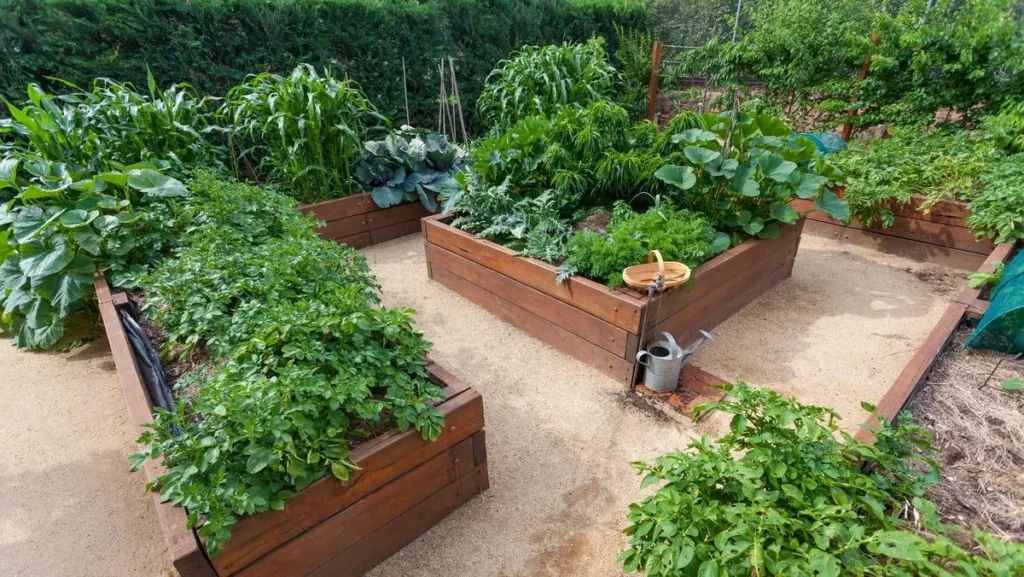
Vegetable Gardens
These gardens produce fresh vegetables for home consumption.
Common crops include:
- Tomatoes
- Lettuce
- Carrots
- Cucumbers
- Peppers
- Beans
Herb Gardens
Herb gardens supply fresh culinary and medicinal plants such as:
- Basil
- Mint
- Rosemary
- Thyme
- Oregano
- Parsley
Rock Gardens
Rock gardens combine stones with drought-tolerant plants to create low-maintenance landscapes.
Japanese Gardens
These peaceful landscapes emphasize harmony using rocks, moss, water, bridges, and carefully shaped plants.
Wildlife Gardens
Designed to support birds, butterflies, bees, and beneficial insects through native plants and natural habitats.
Benefits of Well-Designed Gardens
Gardens provide many practical and environmental benefits.
Improved Mental Well-Being
Spending time in green spaces helps reduce stress and promotes relaxation.
Enhanced Property Value
A professionally landscaped garden can significantly improve curb appeal and increase property value.
Environmental Benefits
Gardens help:
- Improve air quality
- Support pollinators
- Reduce soil erosion
- Absorb rainwater
- Lower surrounding temperatures
Food Production
Growing vegetables and herbs provides fresh, healthy produce while reducing grocery costs.
Principles of Garden Design
Successful garden design balances beauty and functionality.
Unity
All design elements should work together to create a cohesive appearance.
Balance
Visual weight should be evenly distributed throughout the space.
Proportion
Plant sizes and structures should match the available area.
Color Harmony
Combining complementary colors creates attractive seasonal displays.
Texture
Mixing different leaf shapes and plant textures adds visual interest.
Choosing the Right Plants
Select plants based on:
- Climate
- Sun exposure
- Soil conditions
- Water requirements
- Maintenance preferences
Native species often require less water and maintenance than exotic varieties.
Garden Maintenance Tips
Regular maintenance keeps gardens healthy and attractive.
Essential tasks include:
- Watering
- Weeding
- Mulching
- Fertilizing
- Pruning
- Pest control
- Seasonal planting
Routine care encourages vigorous plant growth throughout the year.
Sustainable Gardening Practices
Modern gardening increasingly focuses on environmental responsibility.
Popular sustainable methods include:
- Composting
- Rainwater harvesting
- Organic fertilizers
- Native plants
- Drip irrigation
- Pollinator-friendly planting
These practices conserve resources while supporting local ecosystems.
Common Gardening Mistakes
Avoid these frequent errors:
- Overwatering
- Poor plant spacing
- Ignoring soil quality
- Incorrect pruning
- Planting incompatible species
- Neglecting pest management
Careful planning helps prevent these problems.
How to Start Your First Garden
Creating a garden can be simple with the right approach.
- Choose a suitable location.
- Test and improve the soil.
- Select plants for your climate.
- Design the layout.
- Install irrigation if needed.
- Add mulch.
- Maintain regularly.
Starting small allows gardeners to gain experience before expanding.
Gardening Tools Every Homeowner Needs
Basic equipment includes:
- Hand trowel
- Garden fork
- Pruning shears
- Watering can
- Garden hose
- Gloves
- Wheelbarrow
- Rake
- Shovel
Quality tools make gardening easier and more enjoyable.
Related Reading
Frequently Asked Questions
What is the definition of a garden?
A garden is a planned outdoor area where plants are intentionally grown and maintained for beauty, food production, recreation, conservation, or environmental improvement.
What are the main types of gardens?
Common types include flower gardens, vegetable gardens, herb gardens, rock gardens, wildlife gardens, Japanese gardens, and botanical gardens.
Why are defining gardens important?
Defining gardensimprove mental well-being, support biodiversity, enhance property value, provide fresh food, and contribute to a healthier environment.
Can a small yard have a beautiful garden?
Yes. Even limited spaces can become attractive gardens through thoughtful planning, container planting, vertical gardens, and efficient use of available space.
Conclusion
Defining gardens goes beyond simply describing an outdoor space. A well-designed garden combines thoughtful planning, suitable plants, functional features, and ongoing care to create an environment that is both beautiful and purposeful. Whether you dream of a vibrant flower garden, a productive vegetable plot, or a peaceful retreat filled with native plants and wildlife, understanding the principles of garden design helps transform any outdoor area into a welcoming and sustainable landscape. With careful planning and regular maintenance, a garden can provide enjoyment, relaxation, and lasting value for years to come.