
15 Amazing Types of Swimming Pools Designs for Every Home and Budget in 2026
Modern homeowners have more choices than ever when it comes to selecting the perfect swimming pool. Whether you’re looking for a luxurious backyard retreat, a budget-friendly family pool, or a compact cooling space for a small yard, today’s market offers countless options. Industry trends show that fiberglass pools are among the fastest-growing categories because of their quick installation and lower maintenance requirements, while concrete pools remain the preferred choice for fully customized luxury projects.
Choosing the right pool isn’t just about appearance. Factors such as installation costs, maintenance, available space, durability, and long-term value all play a significant role. This guide explores the most popular types of swimming pools available today and helps homeowners determine which option best matches their lifestyle and budget.
| Pool Type | Best For | Cost | Lifespan |
|---|---|---|---|
| Above Ground | Budget | Low | 10–20 Years |
| Fiberglass | Low Maintenance | Medium | 25–30 Years |
| Concrete | Custom Designs | High | 50+ Years |
| Vinyl | Affordable | Medium | 10–20 Years |
| Infinity | Luxury Homes | Very High | 30+ Years |
Key Takeaways
- Fiberglass pools are best for low maintenance.
- Concrete pools offer the most customization.
- Above-ground pools are the most affordable.
- Infinity pools provide the most luxurious appearance.
- Choose a pool based on budget, space, maintenance, and long-term goals.
Read about 7 Powerful Benefits of Hip Roof Roofing for a Stronger, Safer Home here.
Why Pool Selection Matters
Adding a swimming pool can completely transform a property. It creates a private escape where families can relax, entertain guests, exercise, and enjoy outdoor living. Yet many homeowners rush into the decision without understanding how different designs affect maintenance costs, usability, and long-term satisfaction.
Think of choosing a pool like choosing a vehicle. A sports car, SUV, and pickup truck all serve different purposes. The same principle applies here. A family with children may need a spacious recreation area, while a couple seeking relaxation might prefer a compact plunge pool. Someone focused on fitness may benefit from a lap pool rather than a decorative design.
Property size also influences the decision. Large estates can accommodate expansive custom pools, while urban homes often require space-saving alternatives. Climate, local regulations, and maintenance preferences should also factor into the decision-making process. A beautiful installation is only valuable if it fits your lifestyle and remains affordable to maintain over time.
Today’s pool industry has evolved significantly. Homeowners can now choose from highly customizable options that combine aesthetics, efficiency, and functionality. Understanding these choices helps prevent costly mistakes and ensures your investment delivers years of enjoyment.
Read about How Long Does a Roof Last?
Understanding Modern Types of Swimming Pools Trends
Recent industry reports reveal several interesting trends shaping the types of swimming pools market. Residential installations continue to dominate demand, accounting for more than half of the market. At the same time, fiberglass models are experiencing rapid growth because homeowners appreciate their faster installation times and reduced maintenance needs.
Smaller pools are also becoming increasingly popular. Many homeowners are prioritizing relaxation areas over large swimming spaces. Compact plunge pools, tanning ledges, built-in seating, and integrated spa features are now common requests. Community discussions among recent buyers frequently highlight smaller, easier-to-maintain pools as a preferred choice.
Another major trend involves blending pools into outdoor living spaces. Rather than treating them as separate features, homeowners are integrating them with patios, outdoor kitchens, landscaping, and entertainment zones. The result feels more like a private resort than a traditional backyard.
Technology is also playing a larger role. Automated cleaning systems, smart controls, LED lighting, saltwater systems, and energy-efficient pumps are becoming standard features. These innovations simplify maintenance while improving the overall ownership experience.
The growing emphasis on wellness and outdoor living suggests that demand for residential pools will remain strong for years to come. Homeowners increasingly view them as lifestyle investments rather than luxury purchases.
How to Choose the Right Swimming Pool
Consider these factors
- Budget
- Yard size
- Maintenance
- Climate
- Purpose
- Installation time
In-Ground Types of Swimming Pools
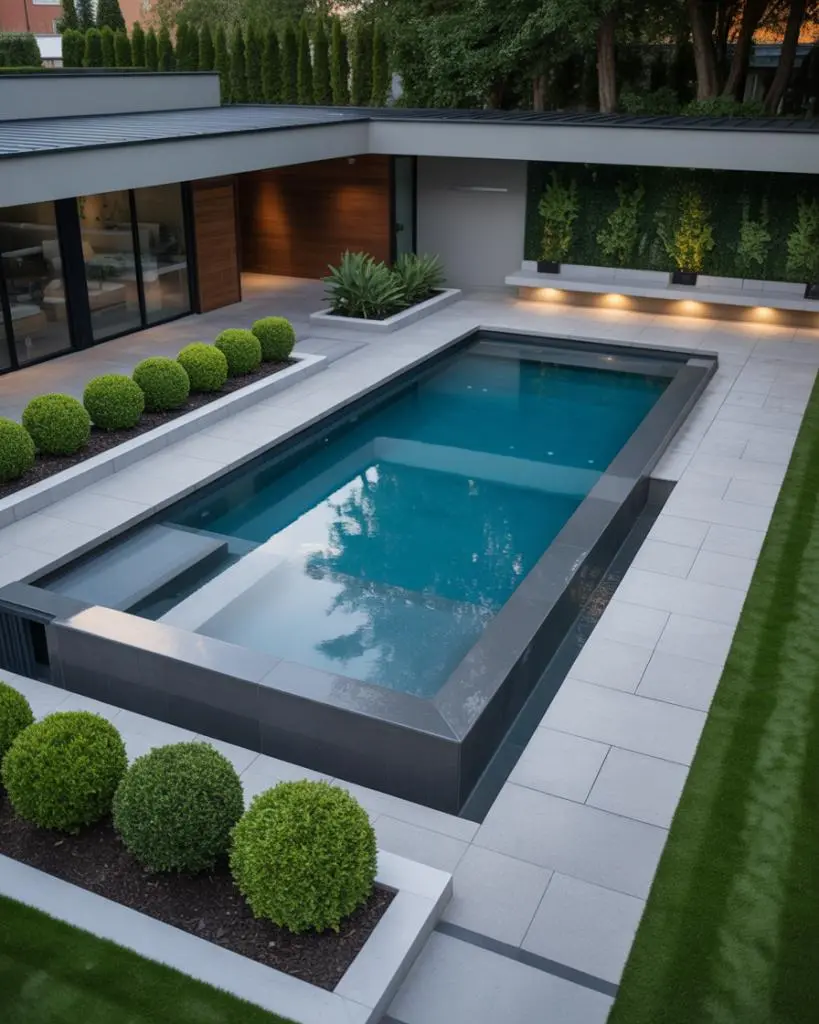
Concrete Pools
Concrete pools remain the gold standard for customization. Builders can create virtually any shape, size, depth, or design imaginable. This flexibility makes them especially attractive for luxury properties, resorts, and homeowners with unique landscaping requirements.
The biggest advantage is design freedom. Whether you want a freeform lagoon, geometric masterpiece, beach entry, or integrated spa, concrete construction can accommodate nearly any vision. This adaptability explains why concrete continues to dominate the premium market segment.
The tradeoff is cost and maintenance. Construction typically takes longer, and surfaces require periodic resurfacing. Because concrete is porous, it can demand more chemical treatment and cleaning compared to alternative materials.
Fiberglass Pools
Fiberglass pools have emerged as one of the fastest-growing choices in the industry. Their pre-manufactured shells allow installation in weeks rather than months, making them highly attractive to homeowners seeking convenience.
The smooth surface resists algae growth, reducing maintenance requirements and chemical usage. Industry data suggests installation can be significantly faster than concrete alternatives.
While design flexibility is somewhat limited compared to concrete, modern manufacturers now offer a wide variety of shapes and sizes.
Vinyl Liner Pools
Vinyl liner systems offer an affordable entry point into in-ground ownership. These pools use structural wall panels combined with a custom liner.
They typically cost less upfront than concrete or fiberglass installations. However, liners eventually require replacement, creating ongoing ownership expenses. Despite this drawback, many homeowners appreciate their affordability and comfortable surface.
Above-Ground Options
Traditional Above-Ground Models
Above-ground pools remain a practical solution for budget-conscious homeowners. Modern designs have improved dramatically compared to earlier generations. Stylish decking, upgraded materials, and attractive landscaping can help these installations blend naturally into outdoor environments.
Installation is typically faster and significantly less expensive than permanent construction. Many families choose these models because they provide immediate enjoyment without major excavation work.
Semi-Inground Installations
Semi-inground pools bridge the gap between above-ground and permanent designs. Partially buried structures create a more upscale appearance while reducing installation complexity.
This option works especially well for sloped properties where traditional excavation would be difficult or expensive. Growing demand for semi-inground designs reflects homeowners’ desire for enhanced aesthetics without the cost of full custom construction.
Read about French Doors.
Compact Solutions
Plunge Pools
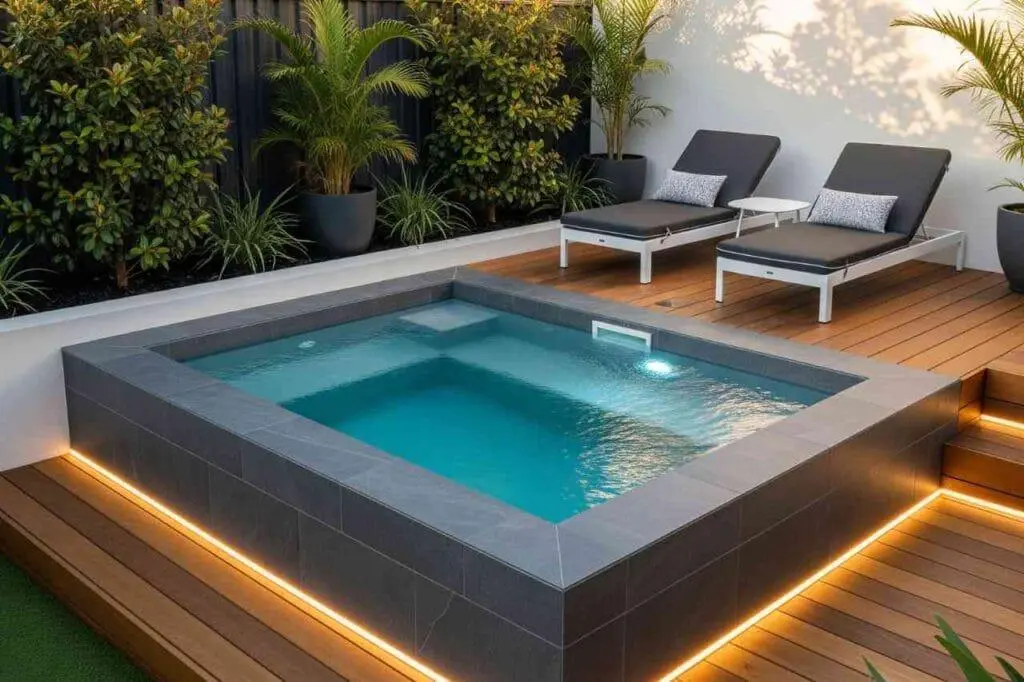
Plunge pools have become one of the hottest trends in residential design. These compact installations prioritize relaxation rather than swimming laps. Their smaller footprint makes them ideal for urban homes and limited outdoor spaces.
Homeowners appreciate their lower maintenance requirements, reduced water usage, and modern appearance. Some models can even function as heated spas during cooler months.
Cocktail Pools
Often called “spools” because they combine spa and pool features, cocktail pools focus on socializing and relaxation. They typically include seating, jets, and heating systems.
For homeowners seeking a luxury experience in a compact space, cocktail pools offer an excellent balance between functionality and affordability.
Luxury Pool Designs
Infinity Edge Pools
Infinity pools create a visual effect where water appears to extend beyond the edge of the structure. These installations are especially dramatic on hillside properties overlooking oceans, mountains, or city skylines.
Their breathtaking appearance makes them a favorite among luxury homeowners and high-end resorts. Although construction costs are higher, the aesthetic impact is difficult to match.
Resort-Style Pools
Resort-inspired designs incorporate waterfalls, tanning shelves, swim-up bars, integrated spas, and sophisticated lighting systems. These installations prioritize experience over simple functionality.
The goal is to transform an ordinary backyard into a private destination where homeowners can vacation without leaving home.
Eco-Friendly Choices
Natural Pools
Natural pools use biological filtration systems rather than traditional chemicals. Plants and beneficial microorganisms help maintain water quality, creating an environmentally friendly swimming experience.
Many homeowners appreciate the natural appearance and reduced chemical exposure. However, these systems require careful design and ongoing management.
Saltwater Systems
Saltwater pools continue gaining popularity because they produce softer water that many swimmers find more comfortable. Although installation costs can be higher initially, ongoing chemical management is often simplified.
Specialized Pools
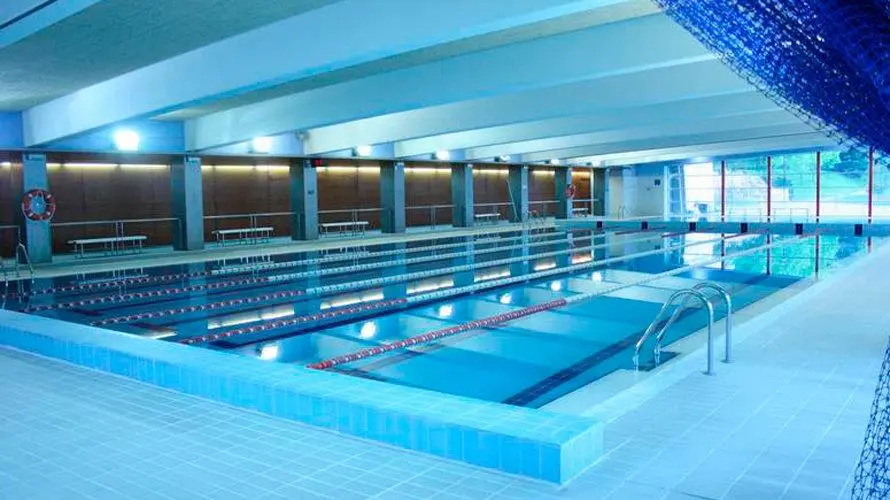
Lap Pools
Fitness enthusiasts often choose lap pools because they maximize swimming space within a narrow footprint. Their elongated shape supports regular exercise while minimizing overall yard usage.
These types of swimming pools are particularly popular among homeowners focused on health and wellness.
Indoor Pools
Indoor installations offer year-round usability regardless of weather conditions. Although construction and operating costs are higher, they provide unmatched convenience.
Luxury homes, wellness centers, and premium resorts frequently include indoor aquatic facilities for continuous access.
Swimming Pool Installation Cost
| Pool Type | Average Cost |
|---|---|
| Above Ground | $2,000–$10,000 |
| Fiberglass | $25,000–$50,000 |
| Vinyl | $30,000–$65,000 |
| Concrete | $50,000–$100,000+ |
Cost Comparison Table
| Pool Type | Initial Cost | Maintenance | Lifespan | Best For |
|---|---|---|---|---|
| Concrete | High | High | 50+ Years | Custom Luxury |
| Fiberglass | Medium-High | Low | 25–30+ Years | Low Maintenance |
| Vinyl Liner | Medium | Medium | 20+ Years Structure | Budget In-Ground |
| Above-Ground | Low | Medium | 10–20+ Years | Budget-Friendly |
| Plunge Pool | Medium | Low | Varies | Small Spaces |
| Infinity Pool | Very High | High | Long-Term | Luxury Properties |
Cost ranges vary significantly based on location, customization, materials, and local labor rates.
Choosing the Right Pool for Your Property
The best option depends entirely on your priorities. If customization matters most, concrete remains unmatched. Homeowners seeking convenience often prefer fiberglass. Budget-conscious families may lean toward above-ground models. Small properties benefit from plunge pools, while luxury estates frequently incorporate infinity-edge designs.
Ask yourself a few practical questions:
- How much maintenance are you willing to handle?
- What is your realistic budget?
- How large is your available space?
- Will the pool be used for exercise, relaxation, or entertaining?
- Are long-term operating costs important?
Answering these questions honestly will narrow your options quickly and prevent expensive regrets later.
Maintenance Considerations
Pool ownership extends beyond installation day. Water chemistry, filtration, cleaning, and seasonal care all require attention. Fiberglass surfaces generally demand less maintenance because algae struggle to attach to their smooth finish. Concrete surfaces often require more frequent cleaning and chemical balancing.
Automation can significantly reduce workload. Robotic cleaners, smart controllers, and automated chlorination systems help maintain water quality while minimizing manual effort.
Regular inspections, proper filtration, and consistent cleaning schedules remain essential regardless of the design selected.
Maintenance Comparison
| Pool Type | Maintenance |
|---|---|
| Fiberglass | Low |
| Vinyl | Medium |
| Concrete | High |
| Natural Pool | Medium |
| Infinity Pool | High |
Which Swimming Pool Is Best?
Best for Budget
Above Ground
Best for Luxury
Infinity
Best for Families
Fiberglass
Best Long-Term Investment
Concrete
Common Mistakes When Choosing a Swimming Pool
- Ignoring maintenance costs
- Choosing the wrong size
- Poor location
- Overlooking local regulations
- Forgetting long-term expenses
Expert Tip
If you’re planning to stay in your home for many years, choose a swimming pool based on long-term maintenance costs rather than just the initial installation price. A slightly higher upfront investment can often save money over the life of the pool.
Conclusion
The best swimming pool depends on your budget, available space, maintenance preferences, and long-term goals. Above-ground pools are ideal for affordability, while fiberglass pools offer easy maintenance and concrete pools provide unmatched customization and durability. Comparing your options carefully will help you choose a pool that fits your lifestyle and adds lasting value to your home.
FAQs
1. Which pool type requires the least maintenance?
Fiberglass pools are generally considered the lowest-maintenance option because their smooth surfaces resist algae growth and require fewer chemicals.
2. What is the most affordable option?
Above-ground pools are usually the most budget-friendly choice and can often be installed much faster than permanent alternatives.
3. Are plunge pools worth it?
Yes. They are ideal for small yards, use less water, require less maintenance, and provide excellent relaxation benefits.
4. Which design adds the most property value?
Custom in-ground installations, particularly concrete and premium fiberglass models, typically contribute the most value to residential properties.
5. How long does installation take?
Fiberglass pools can often be installed in weeks, while custom concrete projects may require several months depending on complexity.
6. Which swimming pool lasts the longest?
Concrete and properly maintained gunite pools can last more than 50 years, while slate or premium finishes may last even longer. Fiberglass pools typically last 25–30 years, and vinyl liner pools require liner replacement every 10–15 years.
Our editorial team researches swimming pool materials, installation methods, and maintenance recommendations using manufacturer resources, industry best practices, and trusted home improvement references.