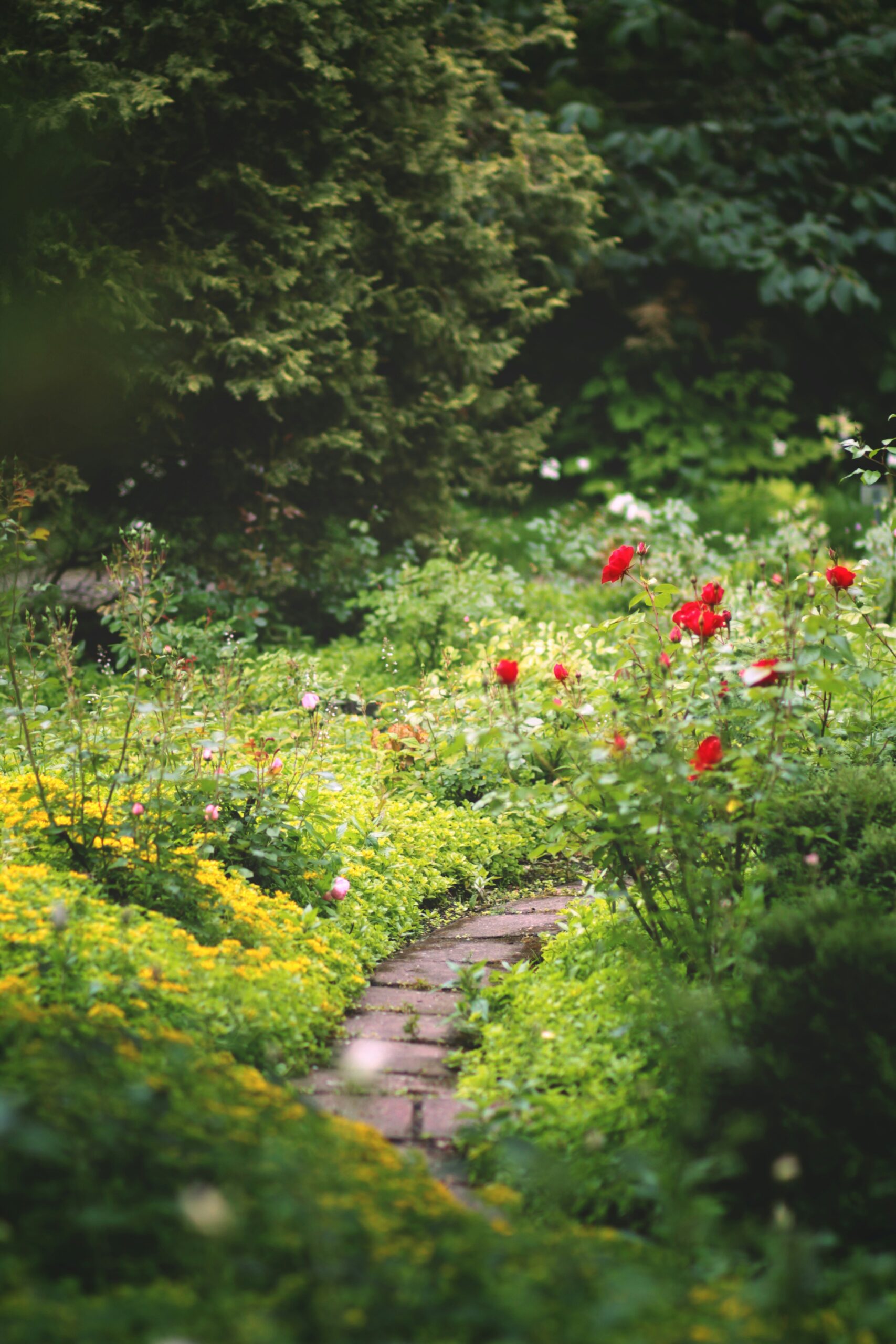
Liberty Gardens: A Timeless Blend of Nature, Community, and Modern Living
Nature has always played an important role in creating healthier, happier communities. Across different regions, the name Liberty Gardens has been associated with residential communities, garden centers, apartments, and beautifully landscaped public spaces that emphasize greenery, comfort, and quality living. Whether referring to a neighborhood, a garden business, or a residential development, the common theme remains the same: providing people with a peaceful environment surrounded by nature.
In recent years, communities featuring extensive green spaces have become increasingly desirable. Studies consistently show that access to parks, trees, and landscaped gardens contributes to improved physical health, lower stress levels, and stronger community relationships. Developers and landscape planners now prioritize outdoor spaces because modern homeowners value quality of life just as much as convenience.
This article explores the concept, benefits, history, and growing popularity of Liberty Gardens, highlighting why garden-inspired communities continue to attract families, retirees, and nature enthusiasts alike.
Facts Box
| Feature | Details |
|---|---|
| Best For | Families |
| Property Type | Residential |
| Security | 24/7 |
| Parks | Yes |
| Schools | Nearby |
| Investment Potential | Moderate/High |
Read about White Wizard Philodendron here.
What Is Liberty Gardens?
The term Liberty Gardens is used by several organizations and residential communities across the United States and other countries. These include apartment communities, landscaping businesses, garden centers, and housing developments. While each location serves different purposes, they all share an emphasis on attractive outdoor spaces, well-maintained landscaping, and community-focused design.
Many modern residential developments have adopted garden-inspired planning because residents increasingly seek peaceful environments away from crowded urban centers. Tree-lined streets, flower beds, walking paths, and open lawns provide both aesthetic appeal and practical benefits.
Garden communities also encourage healthier lifestyles. Residents naturally spend more time outdoors, children have safer places to play, and neighbors interact more frequently, creating stronger social connections. Instead of simply providing housing, these developments focus on creating complete living environments where people can relax and enjoy nature every day.
Understanding the Name
The word “Liberty” symbolizes freedom, openness, and independence, while “Gardens” evokes images of greenery, flowers, and peaceful landscapes. Together, the name represents a lifestyle centered around comfort, relaxation, and natural beauty.
Why It Stands Out
Communities and businesses using this name often emphasize:
- Beautiful landscaping
- Family-friendly surroundings
- Walkable outdoor spaces
- Modern amenities
- Environmental sustainability
These characteristics continue to attract buyers and visitors looking for a healthier living environment.
The History Behind Liberty Gardens

Garden-style communities became especially popular during the mid-20th century as cities expanded and suburban neighborhoods emerged. Urban planners recognized that integrating parks, trees, and landscaped common areas improved residents’ quality of life while increasing property values.
Over time, developers refined these ideas by combining residential housing with walking trails, playgrounds, community gardens, and recreational facilities. Today’s developments build upon those original principles while incorporating modern sustainability practices such as native plant landscaping, rainwater management, and energy-efficient infrastructure.
Some businesses carrying the Liberty Gardens name have also become trusted garden retailers, supplying premium shrubs, trees, roses, and flowering plants to homeowners and landscapers. These garden centers contribute to promoting greener neighborhoods and sustainable gardening practices.
Beautiful Landscapes and Green Spaces
One of the defining characteristics associated with Liberty Gardens is the emphasis on professionally maintained landscapes. Attractive gardens do far more than improve appearances—they positively influence mental health, reduce urban heat, and support local biodiversity.
Seasonal flowers create vibrant colors throughout the year, while mature trees provide shade and improve air quality. Walking paths encourage exercise, and open lawns offer gathering spaces for families and community events.
Many modern landscape designs also incorporate native plant species because they require less maintenance and support local wildlife. Pollinators such as butterflies and bees thrive in these environments, contributing to healthier ecosystems.
Research has repeatedly shown that access to green spaces reduces stress, encourages physical activity, and even improves concentration and overall well-being. This explains why garden-centered communities continue gaining popularity among homebuyers.
Community Features and Amenities
Garden-inspired communities typically include amenities designed to support active, connected lifestyles.
| Feature | Benefit |
|---|---|
| Walking Trails | Encourages daily exercise |
| Community Parks | Family recreation |
| Children’s Playgrounds | Safe outdoor activities |
| Landscaped Gardens | Beautiful surroundings |
| Open Green Areas | Social gatherings |
| Pet-Friendly Spaces | Outdoor enjoyment for pet owners |
Modern residential developments increasingly recognize that shared outdoor amenities increase resident satisfaction. Rather than focusing solely on housing units, planners create environments where neighbors naturally meet during walks, community events, or outdoor recreation.
Many communities also include fitness areas, clubhouses, picnic spaces, and seasonal events that strengthen neighborhood relationships.
Sustainability and Environmental Practices
Environmental sustainability has become a major priority for landscape designers and property developers. Many garden communities now integrate eco-friendly practices that reduce maintenance costs while protecting natural resources.
Native plants require significantly less irrigation than exotic species because they naturally adapt to local climates. Rain gardens help capture stormwater runoff, reducing flooding while naturally filtering pollutants before water enters nearby streams.
Efficient irrigation systems further minimize water waste by delivering moisture directly to plant roots. Mulching reduces evaporation while improving soil quality.
Organizations promoting sustainable gardens also encourage homeowners to reduce chemical fertilizers and pesticides whenever possible. Native landscapes provide important habitats for pollinators and birds while creating resilient ecosystems that require fewer resources to maintain.
Read about How Long Does a Roof Last? here.
Benefits of Living Near Green Communities

Living near parks and landscaped environments offers measurable advantages extending well beyond visual appeal.
Health experts consistently report that access to green spaces encourages more physical activity through walking, jogging, cycling, and outdoor recreation. Regular exposure to natural environments has also been linked with reduced stress, improved mood, and better sleep quality.
Families especially benefit because children gain safe outdoor spaces for recreation and exploration. Adults often experience stronger community connections as neighbors naturally interact during walks, gardening activities, and local events.
Property values also tend to remain stronger in neighborhoods featuring attractive landscaping and abundant green space. Buyers frequently consider nearby parks, tree coverage, and outdoor amenities when selecting homes.
Businesses located within landscaped commercial environments similarly benefit from improved customer experiences and stronger visual appeal.
Pros and Cons
Pros
- Family-friendly
- Green spaces
- Modern infrastructure
- Good road access
Cons
- Property prices may vary
- Traffic during peak hours
- Ongoing development
Who Should Choose Liberty Gardens?
- Families
- First-time buyers
- Long-term investors
- People looking for green surroundings
Tips for Visiting or Choosing a Garden Community

Whether you’re planning to visit or considering moving into a garden-centered neighborhood, evaluating several factors can help you make informed decisions.
Pay attention to overall landscape maintenance, walking accessibility, safety, recreational amenities, and environmental practices. Healthy trees, vibrant flower beds, and clean public spaces often indicate strong community management.
Also consider proximity to schools, healthcare facilities, shopping centers, and transportation. A beautiful environment becomes even more valuable when combined with everyday convenience.
If sustainability matters to you, ask about irrigation systems, native landscaping, recycling initiatives, and energy-efficient infrastructure. Communities embracing environmentally responsible practices often provide long-term benefits for both residents and local ecosystems.
Conclusion
The growing popularity of Liberty Gardens reflects society’s increasing appreciation for healthy, green, community-focused living. Whether referring to residential neighborhoods, apartment communities, garden centers, or landscaped developments, the shared philosophy remains centered on improving everyday life through nature.
Beautiful outdoor environments offer far more than visual appeal. They encourage healthier lifestyles, foster stronger neighborhood relationships, support environmental sustainability, and enhance overall well-being. As urban areas continue expanding, thoughtfully designed green communities will remain an important part of creating healthier and more enjoyable places to live.
For homeowners, visitors, and developers alike, investing in beautiful landscapes represents an investment in people, communities, and the future.
Frequently Asked Questions
1. What does Liberty Gardens refer to?
The name is used by various residential communities, apartment complexes, garden centers, and landscaping businesses that emphasize attractive outdoor environments and community living.
2. Why are garden communities becoming more popular?
People increasingly value green spaces because they improve health, reduce stress, encourage outdoor activity, and create stronger neighborhood connections.
3. What amenities are commonly found in garden communities?
Typical amenities include walking trails, parks, landscaped gardens, playgrounds, picnic areas, pet-friendly spaces, and recreational facilities.
4. Are sustainable landscaping practices important?
Yes. Native plants, efficient irrigation, rain gardens, and reduced chemical use help conserve resources while supporting healthier ecosystems.
5. Do green communities increase property values?
Many real estate studies suggest that homes located near attractive parks and well-maintained green spaces often command higher demand and stronger long-term property values.
6. Is Liberty Gardens a good place to live?
Liberty Gardens can be a good place to live for people looking for a residential community with access to essential amenities and green spaces. Whether it is the right choice depends on factors such as your budget, preferred location, commute, and lifestyle needs. Visiting the community in person is the best way to determine if it meets your expectations.
7. What amenities are available in Liberty Gardens?
Amenities may vary depending on the specific Liberty Gardens community, but many developments offer features such as parks, walking paths, children’s play areas, security services, nearby schools, shopping facilities, and convenient road access. Always check the latest information from the developer or local authorities before making a decision.
8. Is Liberty Gardens suitable for families?
Yes, many Liberty Gardens communities are designed with families in mind. Features such as green spaces, playgrounds, nearby educational institutions, and a peaceful residential environment make them an attractive option for families seeking a comfortable place to live.
9. What should buyers consider before purchasing property in Liberty Gardens?
Before buying property in Liberty Gardens, consider the location, available amenities, property prices, future development plans, legal documentation, maintenance costs, and access to schools, healthcare, and transportation. It’s also a good idea to inspect the property and verify all documents before making a purchase.
Quick Note: Our editorial team researches each guide using official developer information, publicly available resources, and trusted real estate references where applicable.
