Types of Roofing Materials: The Complete Guide to Costs, Lifespan & Pros and Cons
Choosing between the different types of roofing materials is one of the most important home improvement decisions you will make. Your roof protects everything beneath it, affects your home’s energy bills, and will likely be in place for decades. With so many types of roofing materials on the market — each with different costs, lifespans, and performance profiles — it is easy to feel overwhelmed.This guide breaks down every major roofing material available today, compares them honestly, and helps you figure out which one makes the most sense for your home, budget, and climate.
This guide breaks down every major roofing material available today, compares them honestly, and helps you figure out which one makes the most sense for your home, budget, and climate.
How to Choose Between Types of Roofing Materials
Before diving into specific materials, every homeowner should consider four factors:
1. Climate — A material that performs brilliantly in mild Pacific Northwest winters may crack under the UV intensity of an Arizona summer. Metal and tile roofing handle heat exceptionally well. Asphalt loses granules faster in extreme heat. Wood shake is not recommended in wildfire-prone regions.
2. Roof pitch (slope) — Steep-slope roofs (4:12 pitch or higher) can use almost any material. Low-slope and flat roofs require specialised materials such as TPO, EPDM, or modified bitumen membranes because standard shingles cannot shed water effectively on a near-flat surface.
3. Budget — upfront vs. lifetime cost — Asphalt shingles have the lowest upfront cost but need replacing every 20–30 years. Metal roofing costs two to three times more upfront but can last 50 years or more, often making it cheaper over a 50-year period when you factor in replacement costs.
4. HOA and local building codes — Some neighbourhoods restrict certain materials or colours. Always check before purchasing.
Asphalt Shingles — The Most Common Choice

Asphalt shingles cover roughly 80% of US homes and for good reason: they are affordable, easy to install, widely available, and perform adequately in most climates.
Types of asphalt shingles
3-tab shingles are the thinnest, cheapest option. They have a flat, uniform look and typically last 15–20 years. They are increasingly uncommon on new installations because architectural shingles are only slightly more expensive and significantly more durable.
Architectural (dimensional) shingles are the most popular choice today. They are thicker than 3-tab shingles, have a textured, layered look that mimics wood shake or slate, and last 25–30 years under normal conditions.
Premium / luxury shingles mimic the look of slate or wood shake very convincingly. They are the heaviest asphalt option, carry the longest warranties (30–50 years), and are the most wind-resistant asphalt shingles available.
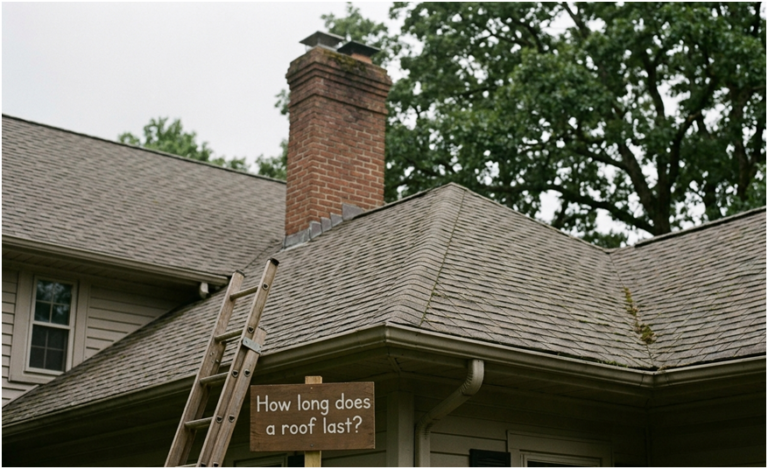
How long does a shingle roof last?
- 3-tab asphalt: 15–20 years
- Architectural asphalt: 25–30 years
- Premium asphalt: 30–50 years
Real-world lifespan depends heavily on installation quality, attic ventilation, and climate. A poorly ventilated attic can reduce asphalt shingle lifespan by 30–40% because trapped heat degrades the shingles from below.
Asphalt shingle cost
| Shingle Type | Material Cost (per sq ft) | Installed Cost (per square) |
|---|---|---|
| 3-tab | $0.80–$1.20 | $80–$120 |
| Architectural | $1.00–$1.80 | $100–$180 |
| Premium / luxury | $1.80–$5.00 | $180–$500 |
(A “square” = 100 sq ft of roof surface)
Asphalt shingle pros and cons
Pros:
- Lowest upfront cost of any roofing material
- Available in hundreds of colours and styles
- Easy to source replacement shingles for repairs
- Most roofing contractors are experienced with installation
- Can be installed over one existing layer in many cases
Cons:
- Shortest lifespan of common roofing materials
- Performance degrades in extreme heat (granule loss)
- Not recyclable in most markets (though this is improving)
- Vulnerable to algae staining in humid climates (look for algae-resistant shingles with copper granules)
Metal Roofing — The Long-Term Investment

Metal roofing has grown significantly in residential popularity over the past decade. It is no longer just for industrial or agricultural buildings — modern metal roofing systems are attractive, energy-efficient, and remarkably durable.
Types of metal roofing
Standing seam metal roofing consists of vertical panels with raised seams that interlock. This is the most weather-tight and durable metal roofing system. It is also the most expensive. Panels can expand and contract with temperature changes without cracking.
Metal shingles / tiles are stamped steel or aluminium panels designed to mimic the look of asphalt shingles, wood shake, or slate. They are less expensive than standing seam and easier for contractors to install.
Corrugated metal panels are the most affordable metal roofing option. They are common on outbuildings and agricultural structures but are also used on residential homes for a modern, industrial aesthetic.
Metal roofing materials include steel (the most common), aluminium (better for coastal areas due to salt resistance), copper (extremely durable and develops a distinctive patina, but very expensive), and zinc.
How long does metal roofing last?
Metal roofing is the most durable of the common residential roofing options:
- Steel/aluminium: 40–70 years
- Copper/zinc: 80–100+ years
Is metal roofing worth it?
For homeowners planning to stay in their home long-term, the answer is often yes. Consider this comparison:
| Asphalt (arch.) | Metal (standing seam) | |
|---|---|---|
| Upfront cost (2,000 sq ft roof) | ~$8,000–$14,000 | ~$20,000–$40,000 |
| Lifespan | 25–30 years | 50–70 years |
| Replacements in 50 years | 2 | 0–1 |
| Total 50-year cost (est.) | ~$20,000–$35,000 | ~$20,000–$40,000 |
| Energy savings | Baseline | Up to 25% reduction |
When you factor in avoided replacement costs and energy savings, metal roofing often breaks even or comes out ahead over a 40–50 year period.
Metal roofing vs asphalt shingles: which should you choose?
Choose metal roofing if you:
- Plan to stay in the home 15+ years
- Live in a high-wind, heavy-snow, or wildfire-risk area
- Want the lowest possible long-term maintenance
- Value energy efficiency (metal reflects solar heat; cool roof coatings amplify this)
- Want a roof that qualifies for federal energy tax credits
Choose asphalt shingles if you:
- Have a tighter upfront budget
- Plan to sell the home within 10–15 years
- Want the widest contractor availability and easiest repairs
- Need a replacement on short notice
Best roofing material for hot climates
In hot climates (Texas, Arizona, Florida, California), metal roofing is one of the best choices due to its reflective properties. Cool-roof-rated metal panels can reflect up to 70% of solar radiation, keeping attic temperatures dramatically lower and reducing air conditioning loads. Tile roofing is also excellent in hot climates due to its mass and airflow beneath the tiles.
Tile Roofing (Clay & Concrete)

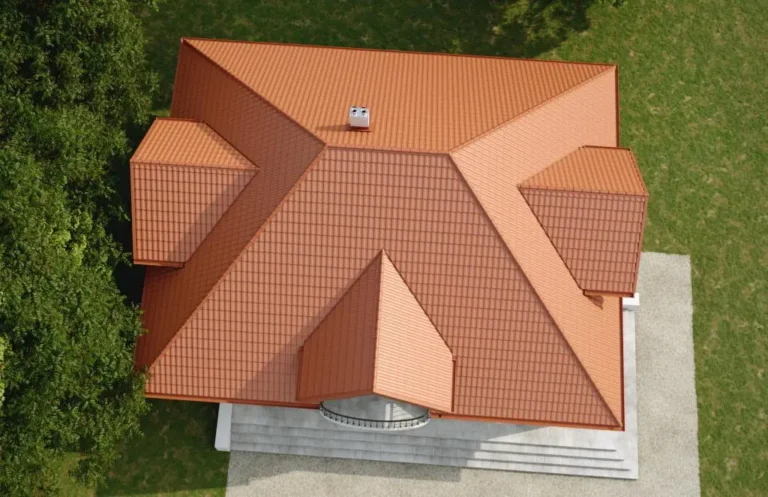
Clay and concrete roof tiles are immediately recognisable — they define the aesthetic of Spanish Colonial, Mediterranean, and Mission-style architecture. But they are also excellent performers, particularly in warm, dry climates.
Clay tile vs concrete tile: what is the difference?
Clay tiles are made from natural terracotta fired at high temperatures. They are heavier, more expensive, and more durable than concrete tiles. A properly maintained clay tile roof can last 100 years or more.
Concrete tiles are made from sand, cement, and water. They are less expensive than clay tiles, available in more colour options, and last 40–50 years. They are slightly heavier than clay tile pound-for-pound at equivalent thickness.
Tile roof cost
| Type | Installed Cost (per square) |
|---|---|
| Concrete tile | $300–$500 |
| Clay tile | $600–$1,000 |
Tile roof pros and cons
Pros:
- Excellent lifespan (40–100+ years)
- Fire resistant (Class A fire rating)
- Excellent in hot, dry climates
- Low maintenance once installed
- Aesthetically distinctive
Cons:
- Very heavy — requires structural reinforcement on many homes (this is a significant hidden cost to calculate before choosing tile)
- Walking on tile during maintenance or repairs can crack individual tiles
- Not ideal in freeze-thaw climates — water that infiltrates cracks in individual tiles expands and contracts, causing breakage
Tile roof vs metal roof
Both are premium long-life options. The choice often comes down to aesthetic preference and climate:
- In hot, dry climates: either is excellent; tile wins on traditional aesthetics, metal wins on energy efficiency
- In cold or freeze-thaw climates: metal is far superior; tile is not recommended
- In wind-prone areas: standing seam metal roofing performs better; tile can lift
Slate Roofing — The Premium Option

Natural slate is one of the oldest roofing materials in the world and remains one of the most prestigious. If budget is not a constraint, nothing matches a slate roof for longevity and appearance.
How long does slate roofing last?
Natural slate roofing lasts 75–150+ years. Some slate roofs in Europe have survived 200+ years. Soft slate (from certain quarries) tends toward the lower end; hard slate from Vermont, Pennsylvania, or Spanish quarries is the most durable.
Slate roofing cost per square foot
Natural slate is the most expensive common roofing material:
- Natural slate: $15–$30+ per sq ft installed ($1,500–$3,000+ per square)
- Synthetic slate (composite materials): $7–$12 per sq ft installed — a popular alternative that captures much of the look at a fraction of the cost, with a 40–50 year lifespan
Slate roofing pros and cons
Pros:
- Unmatched lifespan
- Naturally beautiful, high-end aesthetic
- Completely fireproof (Class A)
- Adds significant home resale value
- Eco-friendly (no manufacturing energy, very long service life)
Cons:
- Extremely expensive
- Very heavy (900–1,500 lbs per square) — most homes require structural upgrades
- Requires specialist contractors — poor installations are common and costly
- Difficult to source matching tiles for repairs if quarry is no longer active
- Brittle — walking on it causes breakage
Wood Shake & Wood Shingle Roofing
Wood roofing has a warm, natural aesthetic that many homeowners love. However, it comes with significant maintenance requirements and restrictions in fire-prone areas.
Wood shake vs wood shingles: what is the difference?
Wood shingles are machine-cut, smooth, uniform in thickness, and have a refined appearance.
Wood shakes are hand-split (or hand-split and resawn), thicker, rougher, and have a more rustic appearance. They provide better insulation and wind resistance than shingles.
Both are most commonly made from western red cedar, though pine, redwood, and southern yellow pine are also used.
Wood shake roofing pros and cons
Pros:
- Beautiful, natural aesthetic
- Good insulation value (up to double that of asphalt shingles)
- Naturally resistant to impact and wind
- Biodegradable and eco-friendly at end of life
Cons:
- Requires periodic treatment with preservatives, algaecides, and UV protectants
- Highly susceptible to rot and mould in humid climates
- Not recommended in wildfire-prone regions (California, Colorado, Pacific Northwest) — many local codes prohibit untreated wood roofing; look for fire-retardant treated (FRT) options where required
- More expensive to install than asphalt
- 20–30 year lifespan with proper maintenance; shorter without
Flat Roofing Materials: TPO, EPDM & Modified Bitumen
Flat and low-slope roofs are common on commercial buildings and increasingly used in modern residential architecture. They require completely different materials from steep-slope roofing.
TPO (Thermoplastic Polyolefin) roofing
TPO is a single-ply membrane that has become the most popular flat roofing material in the commercial sector. It is white (highly reflective), energy-efficient, lightweight, and relatively affordable.
TPO roofing pros and cons:
- Pros: Energy-efficient (reflective white surface), heat-welded seams are very watertight, resistant to UV, ozone, and chemicals; one of the most affordable flat roofing options
- Cons: Formulations have varied in quality over the years; thinner membranes can be susceptible to puncture; 15–25 year lifespan (shorter than EPDM or modified bitumen on a properly installed job)
TPO installed cost: $5.50–$9.00 per sq ft
EPDM (Ethylene Propylene Diene Monomer) — Rubber Roofing
EPDM is a synthetic rubber membrane that has been used on flat roofs for over 40 years. It is black (non-reflective), extremely durable, and among the most proven flat roofing options available.
EPDM roofing pros and cons:
- Pros: Proven 25–35 year track record; excellent resistance to ozone, UV, and extreme temperatures; easy to repair; often the lowest installed cost for flat roofing
- Cons: Black surface absorbs heat (though white EPDM exists); adhesive-bonded seams can fail over time if improperly installed
EPDM installed cost: $5.00–$8.00 per sq ft
Modified Bitumen roofing
Modified bitumen (mod-bit) is an asphalt-based system reinforced with fibreglass or polyester. It is applied in multiple layers and has been used since the 1970s.
Modified bitumen roofing pros and cons:
- Pros: Multi-layer construction provides excellent redundancy; good performance in cold climates (remains flexible); 15–25 year lifespan; familiar technology with most flat-roof contractors
- Cons: Torch-applied systems carry fire risk during installation; heavier than TPO or EPDM; requires professional installation
Modified bitumen installed cost: $4.00–$8.00 per sq ft
Other Roofing Options
Composite / synthetic roofing
Composite shingles are made from a blend of fibreglass, recycled materials, and polymers. They are designed to mimic the look of slate, wood shake, or tile at a fraction of the weight and cost. Quality has improved dramatically in recent years.
- Lifespan: 30–50 years
- Cost: $7–$12 per sq ft installed
- Best for: Homeowners who want a premium appearance without the structural and cost implications of natural slate or tile
Solar roofing tiles
Solar roofing tiles (Tesla Solar Roof is the most well-known product) integrate photovoltaic cells directly into roofing tiles. The entire roof surface generates electricity.
- Lifespan: 25+ years (with power output warranty)
- Cost: $25–$50+ per sq ft (significantly higher than conventional roofing, but offset by electricity generation)
- Best for: New construction or full re-roof where solar is already planned; not cost-effective as a replacement for a recently installed conventional roof
Green / living roofs
A green roof is a waterproof membrane covered with growing medium and plants. Common in commercial and urban residential applications.
- Benefits: Excellent insulation, reduces urban heat island effect, manages stormwater runoff, extends underlying membrane lifespan, aesthetic appeal
- Limitations: Significant structural load requirements, maintenance intensive, very high upfront cost ($15–$30+ per sq ft), requires specialist installation and irrigation
Types of Roofing Materials: Comparison Chart
| Material | Avg. Lifespan | Installed Cost (per sq) | Fire Rating | Best Climate | Weight |
|---|---|---|---|---|---|
| 3-tab asphalt | 15–20 yrs | $80–$120 | Class A | Most | Light |
| Architectural asphalt | 25–30 yrs | $100–$180 | Class A | Most | Light |
| Metal (standing seam) | 50–70 yrs | $600–$1,200 | Class A | All, esp. hot/windy | Medium |
| Metal shingles | 40–60 yrs | $300–$600 | Class A | All | Medium |
| Clay tile | 75–100 yrs | $600–$1,000 | Class A | Hot, dry | Very heavy |
| Concrete tile | 40–50 yrs | $300–$500 | Class A | Hot, dry | Very heavy |
| Natural slate | 75–150 yrs | $1,500–$3,000+ | Class A | Mild, cold | Very heavy |
| Synthetic slate | 40–50 yrs | $400–$700 | Class A | Most | Medium |
| Wood shake | 20–30 yrs | $400–$700 | Class C* | Dry only | Medium |
| TPO (flat) | 15–25 yrs | $550–$900 | Class A | All flat | Light |
| EPDM (flat) | 25–35 yrs | $500–$800 | Class A | All flat | Light |
| Modified bitumen | 15–25 yrs | $400–$800 | Class A | Cold esp. | Medium |
*Fire-retardant treated wood shake can achieve Class B
Signs You Need a New Roof
Before choosing a new material, confirm you actually need a full replacement rather than a repair. Here are the clear signs:
Structural warning signs:
- Sagging or uneven roof deck (visible from the ground or attic)
- Daylight visible through attic boards
- Water stains on attic joists or ceiling
Shingle-specific warning signs:
- Shingles are curling at edges (cupping) or in the middle (clawing)
- Widespread granule loss — gutters filled with granules, or bare dark patches visible
- Cracked, missing, or broken shingles across multiple areas
- Blistering or bubbling on shingle surfaces
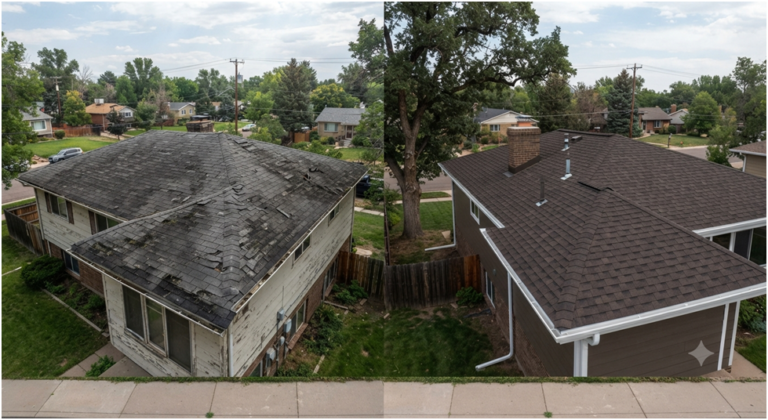
- Your shingle roof is 20–25 years old regardless of appearance
Universal warning signs:
- Persistent roof leaks that return after repair
- Damaged or deteriorated flashing around chimneys, vents, and valleys
- Moss or algae growth across a significant portion of the roof
A professional roof inspection can usually tell you definitively whether repair or replacement is more cost-effective. Many roofing contractors offer free inspections.
Understanding Roof Components: Underlayment, Flashing & Ventilation
A great roofing material means little without equally good installation of the supporting components.
Roof underlayment types
Underlayment is the layer installed directly on the roof deck beneath the finished roofing material. It provides a secondary weather barrier.
- Felt underlayment (traditional): Made from fibreglass or polyester saturated with asphalt. The original underlayment material. Still widely used but being replaced by synthetics in many applications.
- Synthetic underlayment: Woven or spun polypropylene. Lighter, stronger, and more tear-resistant than felt. Repels water better and can be left exposed longer during installation. Now the standard in most premium installations.
- Self-adhering membranes (Ice & Water Shield): A peel-and-stick membrane used in vulnerable areas — eaves, valleys, around penetrations. Required by code in cold climates due to ice dam risk. Provides the highest level of water infiltration protection.
What is roof flashing?
Flashing is thin metal (usually aluminium, galvanised steel, or copper) installed wherever the roof meets a vertical surface or penetration: chimneys, walls, skylights, vents, and valleys. Flashing failure is the single most common cause of roof leaks. Inspect flashing carefully — failing flashing on an otherwise serviceable roof often means you need flashing replacement, not a full re-roof.
Ridge vent vs box vent
Roof ventilation removes heat and moisture from the attic, which dramatically extends shingle life and prevents ice dams.
- Ridge vents: Run continuously along the peak (ridge) of the roof. When paired with soffit vents, they create a natural convective airflow loop — cool air enters at the eaves, hot air exits at the ridge. This is generally the most effective ventilation system for residential roofs.
- Box vents (static vents): Individual vents installed near the roof ridge. Less effective than a continuous ridge vent system but often used to supplement ventilation on complex roof geometries.
- Power ventilators (attic fans): Electrically powered fans that actively exhaust attic air. Effective but introduce energy costs and mechanical components that can fail.
The NRCA recommends a balanced ventilation system with intake at the eaves and exhaust at the ridge
Related Roofing Guides
- What Is Roof Drip Edge? A Complete Homeowner’s Guide
- How Long Does It Take to Replace a Roof? Complete Timeline Guide
Frequently Asked Questions
What is the most durable roofing material? Natural slate lasts the longest (75–150+ years), followed by clay tile (75–100 years) and metal roofing (50–70 years). For most homeowners balancing durability with cost, metal roofing offers the best practical durability per dollar.
What is the cheapest roofing material that lasts? 3-tab asphalt shingles are the cheapest upfront. For a roofing material that is cheap and lasts well, architectural asphalt shingles are the best value — roughly 30% more than 3-tab but with a lifespan 50% longer. Among non-asphalt options, EPDM flat roofing is very cost-effective for low-slope applications.
What is the best roofing material for high-wind areas? Standing seam metal roofing is the top choice for hurricane and high-wind zones. Many standing seam systems are rated for sustained winds of 140 mph or higher. For shingles, look for architectural or premium asphalt shingles rated to at least 110 mph; some premium options carry 130+ mph ratings.
What are the most energy-efficient roofing materials? Cool-roof rated metal roofing (with reflective coatings) is the most energy-efficient option, capable of reflecting up to 70% of solar radiation. White TPO is the leading energy-efficient option for flat roofs. Tile roofing also performs well in heat due to the natural air gap between tiles and the deck.
How much does a new roof cost? For an average 2,000 sq ft home (approximately 2,200–2,500 sq ft of roof surface depending on pitch):
- Asphalt shingles: $8,000–$18,000
- Metal roofing: $18,000–$45,000
- Tile roofing: $20,000–$55,000+
- Natural slate: $45,000–$90,000+
Cost varies significantly by region, roof complexity, and contractor. Always get at least three quotes.
Can you put metal roofing over shingles? In many jurisdictions, yes — if you only have one existing layer of shingles. Metal roofing installed over shingles (“recover”) avoids disposal costs. However, it requires the existing shingles to be in reasonably good condition and the deck to be sound. Check local building codes first.
What roofing material is best for a low-slope roof? Steep-slope materials (shingles, metal shingles, tile, slate) are not appropriate for low-slope roofs (below 4:12 pitch). Use a flat roofing system: TPO, EPDM, modified bitumen, or PVC membranes.
The Bottom Line
There is no single “best” option among the types of roofing materials — only the best choice for your specific home, climate, budget, and goals.
- Best overall value long-term: Metal roofing (standing seam)
- Best budget option: Architectural asphalt shingles
- Best for hot, dry climates: Metal or clay tile
- Best for cold climates: Metal or asphalt (avoid tile)
- Best for flat roofs: TPO or EPDM
- Best premium option: Natural slate or clay tile
- Best appearance at lower cost: Composite/synthetic slate or shake
Whatever material you choose, invest in proper installation. The best roofing material installed poorly will underperform a mid-range material installed correctly.
Related guides from The Fixora Home:
• Hip Roof vs Gable Roof: Which is Better for Your Home?
• Roof Inspection Checklist for Homeowners